
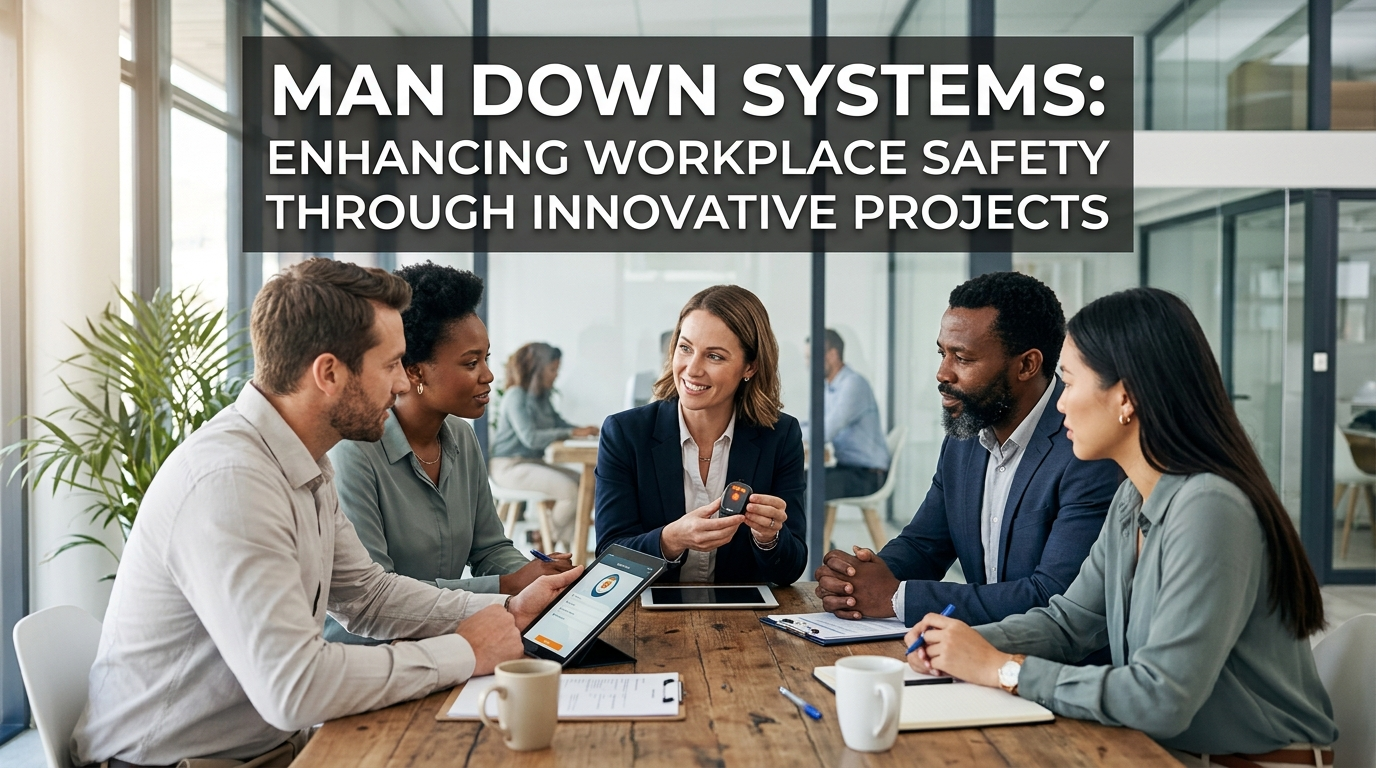
Introduction to Man Down Systems
In today's rapidly evolving industrial landscape, ensuring workplace safety is paramount. Man Down Systems, powered by artificial intelligence (AI), are pivotal in enhancing safety measures across various sectors. These systems are designed to detect when a worker may have fallen or is in distress, automatically alerting emergency services to provide timely assistance. This article delves into the practical implementation, business value, risks, workflows, KPIs, and real-world examples of Man Down Systems.
Understanding AI-Powered Man Down Systems
Man Down Systems leverage AI technologies such as machine learning and IoT sensors to monitor workers' activities and environments. These systems can include wearable devices that detect unusual movements or lack of motion, indicating a potential fall or incapacitation. The AI algorithms analyze data in real-time, sending alerts to supervisors and emergency response teams if necessary.
Key Components of Man Down Systems
The primary components of these systems include wearable devices, AI software, communication networks, and emergency response protocols. Wearable devices, often equipped with accelerometers and gyroscopes, track a worker's movements. The AI software interprets this data, identifying patterns that suggest a fall or other emergencies. Communication networks ensure seamless alerts and data transmission, while response protocols define the actions to be taken when an alert is triggered.
Practical Implementation Steps
Implementing a Man Down System involves several critical steps:
- Needs Assessment: Identify the specific safety risks and requirements of the workplace to tailor the system effectively.
- Device Selection: Choose appropriate wearable devices that suit the work environment and are comfortable for employees.
- Integration: Integrate the chosen devices with AI software and ensure compatibility with existing safety protocols.
- Testing and Calibration: Conduct thorough testing to calibrate the devices and AI system for accuracy in detecting falls and other anomalies.
- Training: Educate employees and emergency response teams on using the system effectively and understanding alerts.
- Deployment: Roll out the system across the workplace, ensuring continuous monitoring and support.
- Evaluation and Improvement: Regularly assess the system's performance and make necessary adjustments to enhance effectiveness.
Business Value of Man Down Systems
These systems provide significant business value by reducing workplace accidents and improving response times to emergencies. This leads to decreased downtime and potential legal liabilities, enhancing overall productivity and worker morale. Moreover, companies that prioritize safety often experience improved employee retention and attract top talent, further driving business success.
Cost-Benefit Analysis
The initial investment in Man Down Systems may be substantial; however, the long-term cost savings from avoiding accidents and improving safety are considerable. A cost-benefit analysis can help organizations understand the financial implications and justify the investment to stakeholders.
Risk Management and Challenges
Despite their benefits, implementing Man Down Systems comes with challenges and risks. Privacy concerns over continuous monitoring and data collection need addressing. Additionally, technical issues such as device malfunction or network failures can compromise system efficacy. Companies must develop robust risk management strategies to mitigate these challenges.
Mitigating Risks
To address these risks, organizations should establish clear data privacy policies, conduct regular maintenance checks on devices, and set up redundant systems to ensure uninterrupted service.
Workflow Integration
Seamless integration of Man Down Systems into existing workflows is crucial for maximizing their effectiveness. This requires collaboration between IT departments, safety officers, and operational teams to ensure that the system complements daily activities without causing disruptions.
Developing Effective Processes
Organizations should develop comprehensive processes that outline the roles and responsibilities of each team member in managing and responding to alerts. This ensures that the system functions efficiently and effectively.
Key Performance Indicators (KPIs)
To measure the success of Man Down Systems, organizations should track various KPIs, including:
- Response Time: The time taken to respond to an alert from the system.
- Incident Reduction Rate: The decrease in workplace accidents and incidents after system implementation.
- System Uptime: The reliability and availability of the system.
- Employee Satisfaction: Feedback from employees on the system's impact on their sense of safety.
Real-World Examples
Several companies have successfully implemented Man Down Systems with positive outcomes. For instance, a leading construction firm reduced its workplace incidents by 30% after deploying an AI-powered Man Down System. Another example is a mining company that improved its emergency response times by 40%, ensuring faster aid to workers in distress.
Conclusion
AI-powered Man Down Systems represent a significant advancement in workplace safety technology. By providing real-time monitoring and rapid response capabilities, these systems help prevent accidents and save lives. Despite the challenges in implementation, the benefits in terms of safety, productivity, and employee well-being make them a worthwhile investment for organizations across various industries.
Optimizing System Performance
A critical aspect of ensuring the effectiveness of a Man Down System is its ongoing optimization. This involves the continuous refinement of algorithms and system components based on the data collected from real-world operations. By analyzing patterns and feedback, companies can make informed decisions on system upgrades and enhancements.
Continuous Monitoring and Feedback
Feedback loops are essential for maintaining high system performance. Organizations should establish mechanisms for collecting data on system alerts, false alarms, and actual incidents. This data can provide insights into potential system weaknesses or areas requiring improvement. Regular system audits and user feedback sessions are vital in this process.
Customization for Different Industries
Different industries have unique safety challenges that require tailored Man Down Systems. For example, the construction industry might prioritize fall detection, whereas the healthcare sector might focus on monitoring patient care staff for sudden incapacitation.
Sector-Specific Customization
To address industry-specific needs, companies can customize wearable devices and AI algorithms. For instance, in high-noise environments like manufacturing, devices might include vibration alerts alongside audible ones. In contrast, sectors like oil and gas might require explosion-proof devices due to hazardous conditions.
- Construction: Enhanced fall detection and proximity alerts for heavy machinery.
- Healthcare: Monitoring vitals and immediate alert systems for patient care emergencies.
- Mining: Robust devices capable of withstanding harsh underground conditions and providing precise location tracking.
Future Trends in Man Down Systems
As technology continues to advance, Man Down Systems are expected to evolve, incorporating new features and capabilities that enhance safety and efficiency even further.
Integration with Advanced Technologies
Future systems may integrate with advanced technologies such as augmented reality (AR) and virtual reality (VR) for better training and situational awareness. Additionally, advancements in AI could lead to predictive analytics, offering insights into potential safety risks before they occur.
The Role of 5G and IoT
The deployment of 5G networks and the expansion of IoT ecosystems are likely to enhance the connectivity and responsiveness of Man Down Systems. Faster data transmission and more reliable connections will enable real-time monitoring and quicker emergency responses, even in remote locations.
Community and Regulatory Support
Collaboration with regulatory bodies and industry communities can further enhance the effectiveness and acceptance of Man Down Systems.
Compliance with Safety Standards
Ensuring that Man Down Systems comply with industry safety standards and regulations is crucial for their successful implementation. Organizations should work closely with regulatory bodies to ensure systems meet all necessary criteria and certifications.
Collaborative Industry Initiatives
Industry-wide initiatives and partnerships can facilitate knowledge sharing and the development of best practices for Man Down Systems. These collaborations can lead to improved system features and a greater overall emphasis on workplace safety.
By staying ahead of technological advancements and industry trends, organizations can maximize the benefits of Man Down Systems, ensuring a safer and more efficient workplace for their employees.