
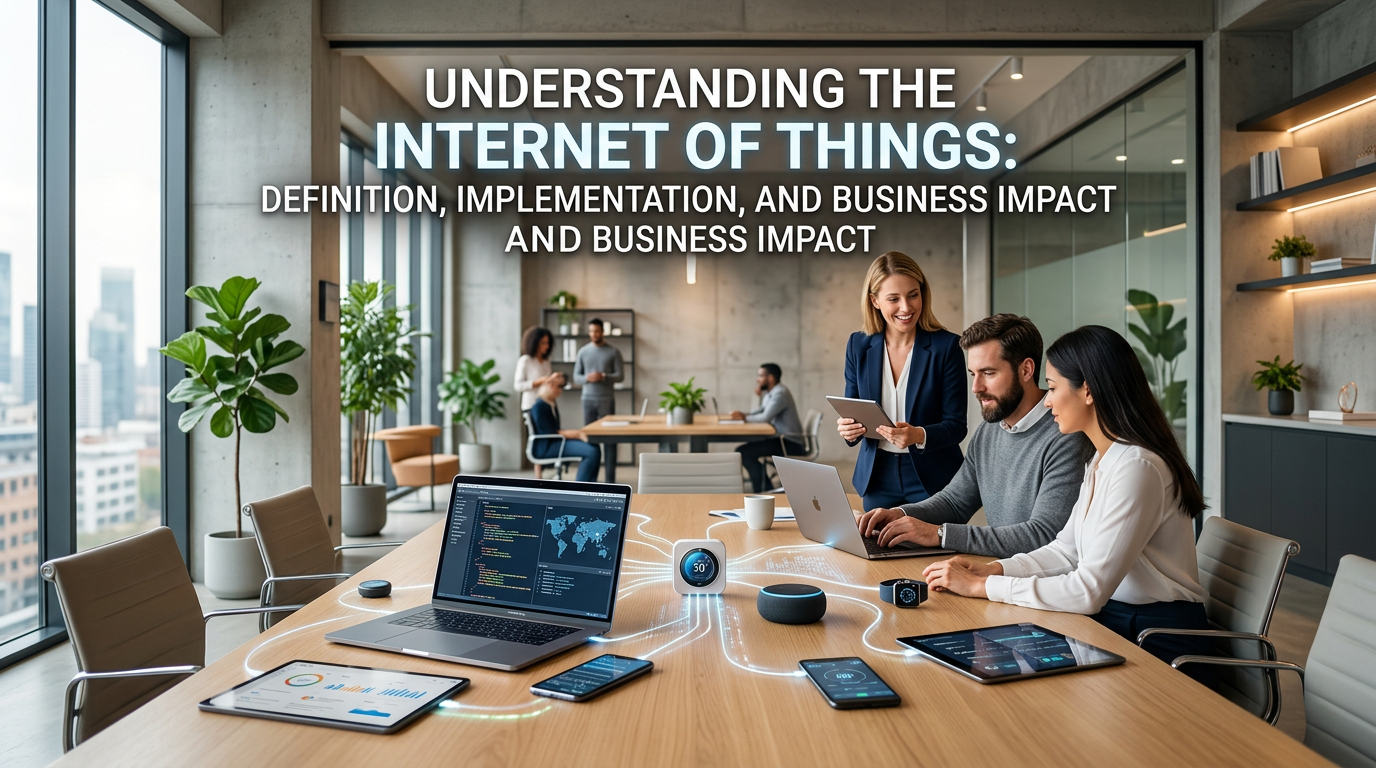
Understanding the Internet of Things (IoT)
The Internet of Things (IoT) refers to the interconnected network of physical devices that communicate and exchange data over the internet. These devices, embedded with sensors, software, and other technologies, range from everyday household items to sophisticated industrial tools.
In essence, IoT extends internet connectivity beyond traditional devices like computers and smartphones to a diverse array of objects. This network of connected devices can collect and share data, leading to enhanced automation, efficiency, and innovation.
AI-Driven Use Cases in IoT
Artificial Intelligence (AI) plays a pivotal role in maximizing the potential of IoT. AI solutions process and analyze the vast amounts of data generated by IoT devices, providing actionable insights.
One notable AI-driven use case is predictive maintenance in manufacturing. IoT sensors on machinery can track performance data in real-time. AI algorithms then analyze this data, predicting potential breakdowns before they occur, thereby minimizing downtime and reducing maintenance costs.
In smart homes, AI-enhanced IoT devices optimize energy consumption. Smart thermostats learn user preferences and environmental conditions to adjust heating and cooling systems, ensuring optimal energy use and reducing utility bills.
Practical Implementation of IoT
Implementing IoT solutions involves several key steps. First, businesses must identify specific problems that IoT can solve. This could range from inventory management in retail to patient monitoring in healthcare.
Next, the right IoT devices and platforms need to be selected. This involves choosing hardware with the appropriate sensors and connectivity options, alongside software that can handle data storage, processing, and analytics.
The deployment phase requires careful planning to ensure devices are correctly installed and integrated into existing systems. This stage often includes setting up secure communication channels to protect data integrity and privacy.
Business Value of IoT
The implementation of IoT solutions can deliver substantial business value. By automating processes and enabling real-time data analysis, IoT increases operational efficiency. For example, in logistics, IoT-enabled tracking systems provide visibility across the supply chain, reducing lead times and improving delivery accuracy.
IoT also facilitates better decision-making. With data-driven insights, businesses can optimize their operations, from resource allocation to customer engagement strategies.
Moreover, IoT opens new revenue streams by enabling innovative business models, such as subscription services for IoT-based products and services.
Risks and Challenges
Despite its advantages, IoT implementation poses several risks. Security is a major concern, as interconnected devices increase the potential attack surface for cyber threats. Ensuring robust security measures, such as encryption and regular software updates, is crucial.
Data privacy is another critical issue. With IoT devices constantly collecting data, businesses must comply with regulations like GDPR to protect user information.
IoT Workflows and KPIs
An effective IoT workflow starts with data acquisition, where sensors gather information. This data is then transmitted to a processing unit, often through cloud services.
Once processed, the data is analyzed using AI techniques to generate insights. The final step involves taking action based on those insights, such as adjusting machine settings to enhance performance.
Key Performance Indicators (KPIs) for IoT projects include system uptime, data accuracy, and return on investment (ROI). Monitoring these KPIs helps businesses measure the effectiveness of their IoT implementations.
Examples of Successful IoT Implementations
One prominent example is the agricultural sector, where IoT technology enhances precision farming. By leveraging IoT sensors and AI, farmers can monitor soil conditions, weather patterns, and crop health to optimize resource use and increase yields.
Another example is smart cities, where IoT applications improve urban living. Smart traffic systems reduce congestion using real-time data to manage traffic flow, while smart lighting conserves energy by adjusting streetlight intensity based on pedestrian presence.
These examples highlight IoT's transformative potential across various industries, providing tangible benefits and driving innovation.
Conclusion
The Internet of Things represents a paradigm shift in how businesses operate and interact with technology. By combining IoT with AI, organizations can unlock unprecedented levels of efficiency, innovation, and customer satisfaction. However, realizing these benefits requires careful planning, robust security measures, and a clear understanding of the technology's potential and limitations.
The Role of AI in Enhancing IoT Capabilities
Artificial Intelligence adds a critical layer of sophistication to IoT systems, enhancing their ability to process and react to data in real-time. AI can transform raw data from IoT devices into predictive insights, offering organizations the tools to anticipate changes and respond proactively. This symbiosis between AI and IoT is what gives rise to futuristic scenarios, such as self-healing systems and autonomous decision-making processes.
Machine Learning in IoT
Machine learning, a subset of AI, is particularly powerful in augmenting IoT capabilities. Algorithms can be trained on historical data to identify patterns and make predictions. For example, in energy management, machine learning can forecast energy demand, enabling more efficient resource allocation and cost reductions.
Natural Language Processing
Natural Language Processing (NLP) enables more intuitive human-device interactions. In IoT systems, NLP can be used to process voice commands or textual inputs, facilitating seamless communication between users and devices. This is evident in smart home devices that respond to voice-activated commands, providing user-friendly interfaces and enhancing accessibility.
Strategic Business Applications of IoT
Businesses across various sectors are leveraging IoT to drive growth and innovation. The strategic applications of IoT in business are vast, ranging from enhancing customer experiences to creating new business models.
Enhanced Customer Experiences
IoT provides businesses with the capability to offer personalized and real-time experiences to customers. Retailers use IoT to track customer behavior and preferences, enabling them to offer personalized promotions and improve customer satisfaction.
Supply Chain Optimization
In logistics, IoT and AI work together to create smarter supply chains. IoT devices monitor shipments in real-time, providing visibility into the supply chain and reducing the likelihood of disruptions.
Innovative Business Models
IoT enables businesses to adopt innovative models such as 'product-as-a-service', where customers pay for the usage of an IoT-enabled product rather than owning it outright. This approach creates ongoing revenue streams and fosters closer customer relationships.
Mitigating IoT Security Risks
As IoT devices become more prevalent, so do security challenges. To mitigate risks, organizations must incorporate comprehensive security strategies from the outset.
Implementing Robust Security Protocols
Organizations should implement multi-layered security protocols. This includes encryption, secure firmware updates, and the use of VPNs to protect data in transit. Regular audits and penetration testing are also crucial in identifying vulnerabilities.
Data Governance and Compliance
Ensuring compliance with data protection regulations such as GDPR and CCPA is essential for the ethical use of IoT data. Organizations must establish clear data governance policies, outlining how data is collected, stored, and utilized.
IoT in Action: Real-World Examples
- Healthcare: IoT devices in hospitals monitor patient vitals and automate alerts, improving response times and patient care.
- Environmental Monitoring: IoT sensors track environmental conditions, aiding in climate research and the management of natural resources.
- Manufacturing: The use of IoT in manufacturing automates quality control processes, ensuring higher product standards and reducing waste.
- Retail: Smart shelves equipped with IoT sensors manage inventory levels in real-time, minimizing stockouts and overstock situations.
These examples demonstrate the versatility of IoT across different industries, showcasing its ability to drive operational efficiencies and foster innovation.
Future Prospects of IoT
The future of IoT is bright, with ongoing advancements in AI and machine learning further amplifying its potential. As 5G networks become widespread, the increased bandwidth and reduced latency will enable even more sophisticated IoT applications. Businesses that are agile and forward-thinking will be best positioned to capitalize on these technological advancements, driving transformative change and unlocking new opportunities.