
Introduction
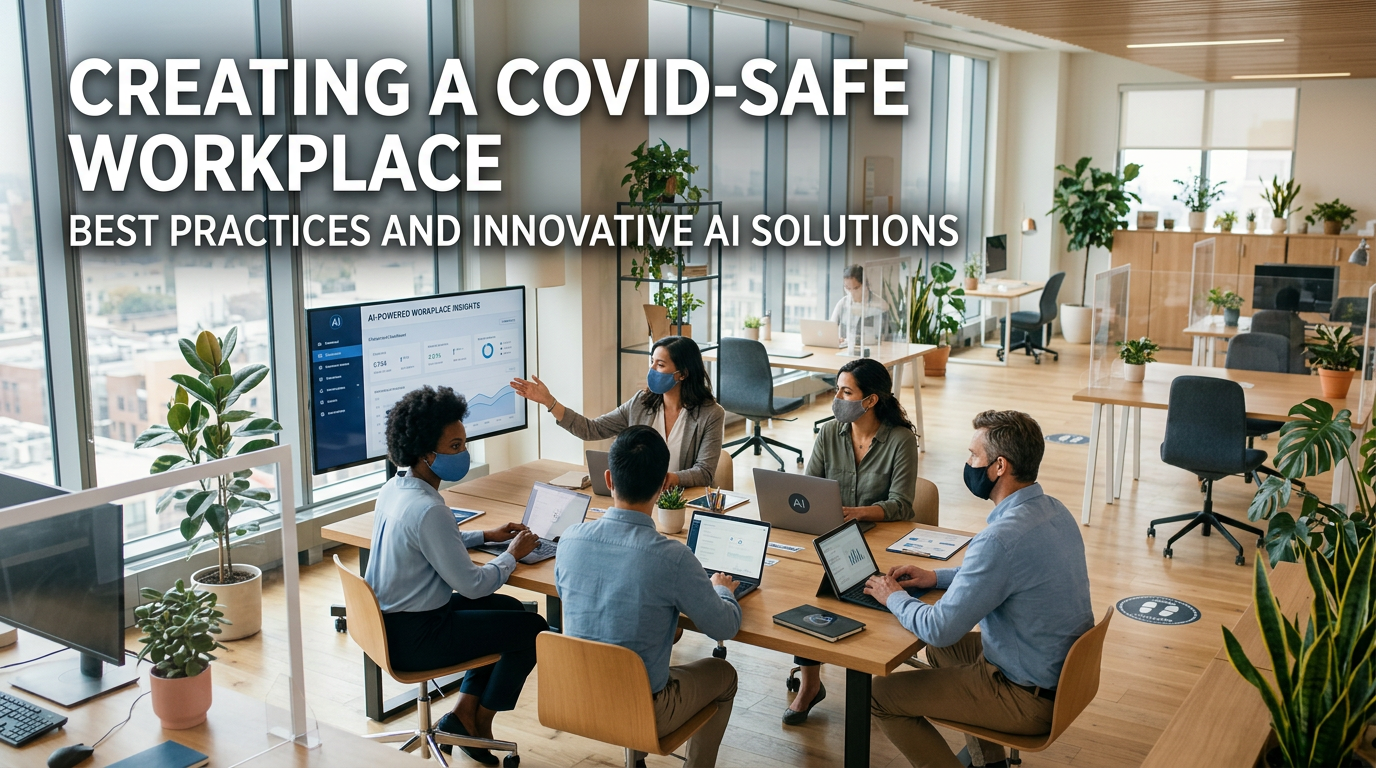
The Covid-19 pandemic has fundamentally altered the landscape of workplace safety. As businesses strive to ensure safe environments for their employees and clients, innovative solutions are paramount. Artificial Intelligence (AI) offers powerful tools to not only meet these challenges but also to enhance overall business operations. This article delves into the best practices and innovative solutions for creating a Covid safe workplace, with a specific focus on AI applications.
AI Solutions for a Covid Safe Workplace
AI technology can significantly contribute to a safer workplace environment through advanced monitoring, predictive analytics, and automation. Its applications range from ensuring proper social distancing to managing contact tracing effectively, all while maintaining privacy and compliance with regulations.
Practical Implementation of AI Solutions
Implementing AI solutions in the workplace involves deploying technologies such as computer vision and machine learning algorithms. These technologies can automate the monitoring of workplace compliance with safety protocols. For instance, AI-powered cameras can track the flow of people in and out of buildings, ensuring that occupancy does not exceed safe limits. Additionally, these systems can be programmed to detect when people are not complying with mask mandates or social distancing guidelines, sending alerts to management for immediate action.
Business Value and Measurable Outcomes
The business value of AI solutions in creating a Covid safe workplace is multifaceted. They offer cost savings by reducing the need for manual monitoring and minimizing the risk of workplace shutdowns due to outbreaks. Furthermore, AI solutions can enhance employee confidence and customer trust, which are critical for maintaining business continuity.
Measurable outcomes include reductions in Covid-19 cases within the workplace, increased employee satisfaction, and adherence to safety protocols. By leveraging AI, businesses can also gather data-driven insights into workplace behavior and safety compliance, enabling continuous improvement of safety measures.
Risk Management and Compliance
While AI solutions bring significant benefits, they also pose risks, particularly regarding data privacy and ethical considerations. It is crucial for businesses to implement AI responsibly, ensuring that all data collection practices are transparent and compliant with international privacy laws such as GDPR.
Moreover, AI systems should be regularly audited to prevent bias and ensure fairness in monitoring processes. Businesses must equip themselves with the knowledge to address potential ethical concerns, balancing the need for safety with respect for individual privacy.
Workflows Enhanced by AI
AI can streamline numerous workflows within the workplace. For instance, employee entry and exit can be managed through contactless facial recognition systems, reducing the risk of virus transmission. Work schedules can be optimized based on predictive analytics to minimize overcrowding during peak times.
Furthermore, AI-driven cleaning robots can maintain hygiene standards by autonomously disinfecting high-traffic areas at regular intervals. These workflows not only promote safety but also improve operational efficiency.
KPIs for Monitoring Success
To gauge the success of AI implementations in creating a Covid safe workplace, businesses should establish clear Key Performance Indicators (KPIs). These might include the number of safety incidents reported, employee feedback scores on safety measures, and the rate of compliance with health guidelines.
Regularly reviewing these KPIs can provide valuable insights into the effectiveness of AI solutions, highlighting areas for improvement and ensuring that safety measures remain robust and responsive to changing circumstances.
Examples of AI Solutions in Action
Several companies have successfully integrated AI solutions to ensure a Covid safe workplace. For example, multinational corporations have adopted AI-powered thermal cameras at entry points to screen for elevated temperatures, a common symptom of Covid-19. Additionally, some organizations have implemented AI-based contact tracing applications that alert employees of potential exposure while maintaining anonymity.
Conclusion
In conclusion, AI solutions offer substantial potential in creating and maintaining a Covid safe workplace. By implementing AI strategically, businesses can enhance safety protocols, improve operational efficiency, and ultimately drive business value. The key to success lies in understanding the capabilities and limitations of AI, ensuring ethical use, and continuously adapting to new developments. As we navigate the post-pandemic landscape, these innovative technologies will be crucial in fostering resilient and productive work environments.
The Role of AI in Employee Health Monitoring
AI algorithms can play a crucial role in monitoring the health of employees by analyzing patterns and predicting potential health risks. Wearable devices connected to AI systems can track vital signs such as heart rate, temperature, and physical activity levels. This data can be used to alert both employees and management of any health anomalies that may require attention, thereby preventing potential outbreaks and ensuring timely medical intervention.
Data Security and Privacy Concerns
Incorporating AI into health monitoring raises significant data security and privacy concerns. It is imperative for organizations to establish robust data protection frameworks to secure sensitive health data. Implementing encryption, access controls, and regular audits can help mitigate risks associated with data breaches. Furthermore, businesses must ensure compliance with privacy regulations and provide transparency to employees regarding data usage and storage practices.
AI-Driven Workplace Design
AI can influence the design of physical workspaces to promote health and safety. By simulating various layout configurations, AI can help optimize space utilization, ensuring adequate social distancing and minimizing high-contact areas. AI-driven tools can also assist in planning air ventilation systems to improve air quality, reducing the risk of airborne transmission of viruses.
Remote Work and Virtual Collaboration Tools
The pandemic has accelerated the adoption of remote work and virtual collaboration. AI-powered tools facilitate seamless communication and collaboration among distributed teams. Intelligent scheduling assistants, virtual meeting platforms with real-time language translation, and AI-based project management tools enhance productivity and maintain engagement even when employees are working remotely.
- Intelligent Scheduling: AI can analyze team members' availability and suggest optimal meeting times, reducing scheduling conflicts and enhancing productivity.
- Language Translation: Real-time AI translation services enable effective communication across language barriers, fostering inclusive work environments.
- Project Management: AI tools can track project progress, identify bottlenecks, and provide actionable insights to ensure timely completion of tasks.
Cost-Benefit Analysis of AI Investments
Investing in AI solutions requires a thorough cost-benefit analysis to ensure alignment with organizational goals. While initial investments in AI technology can be substantial, the long-term benefits often outweigh the costs. AI reduces operational inefficiencies, minimizes health risks, and enhances overall productivity. By automating routine tasks and providing actionable insights, AI enables organizations to focus on strategic priorities and drive growth.
Overcoming Resistance to AI Adoption
Resistance to AI adoption can stem from a lack of understanding or fear of job displacement. To mitigate these concerns, businesses should focus on educating employees about the benefits of AI and how it complements human efforts. Providing training and upskilling opportunities can empower employees to harness AI tools effectively, fostering a culture of innovation and collaboration.
Future Outlook and Emerging Trends
The future of AI in creating Covid safe workplaces is promising, with emerging trends indicating increased integration of AI with IoT devices and enhanced data analytics capabilities. As technology evolves, businesses can expect more sophisticated AI solutions to emerge, offering greater accuracy and efficiency in maintaining workplace safety. Continuous innovation and adaptation will be key in leveraging AI to meet the dynamic challenges of workplace health and safety.
Conclusion
AI technology stands as a cornerstone in crafting resilient and adaptive workplaces in the post-pandemic era. By embracing AI-driven solutions, organizations can not only ensure a Covid safe environment but also foster a culture of health, safety, and innovation. As businesses continue to navigate through uncertain times, the strategic implementation of AI will be instrumental in building robust and future-proof work environments.