
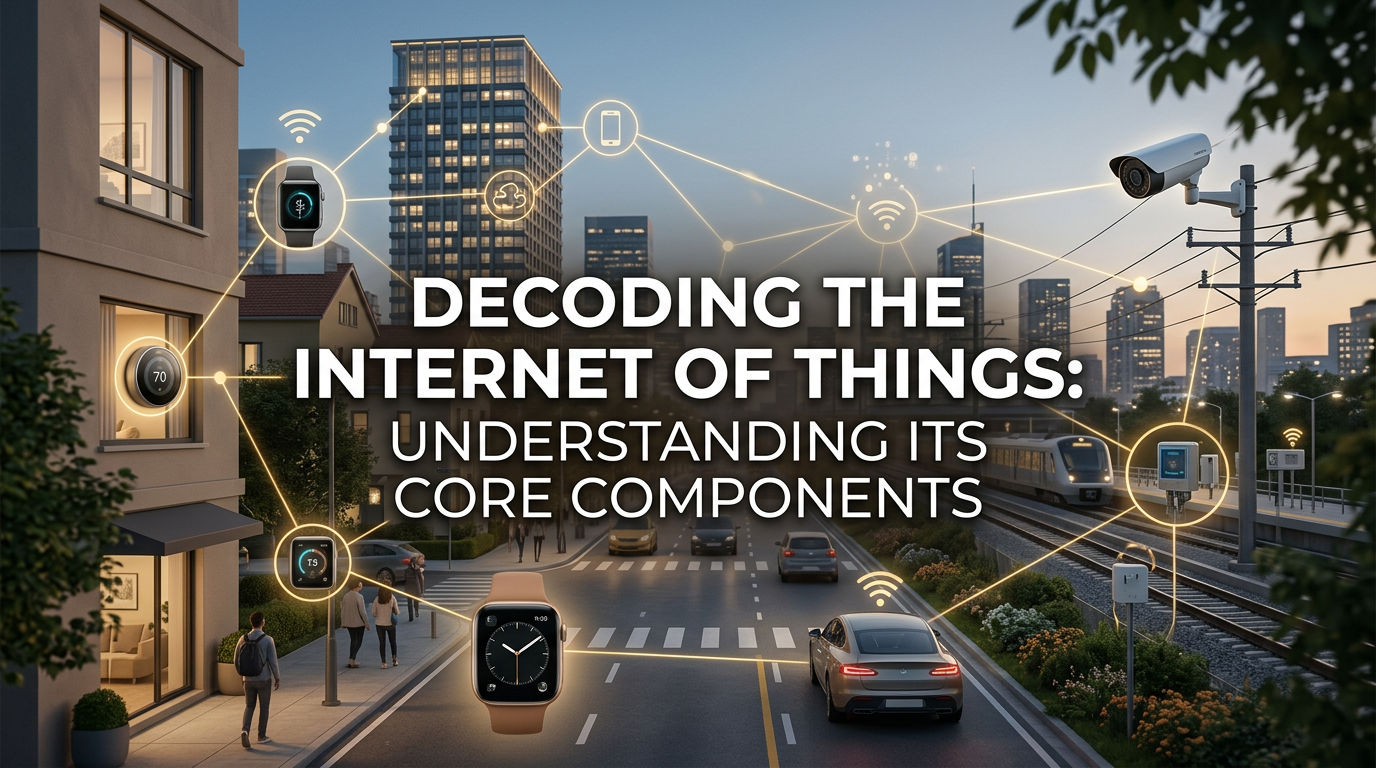
Introduction to the Internet of Things
The Internet of Things (IoT) has rapidly transformed from a futuristic concept into a tangible reality, revolutionizing industries with its vast potential to connect devices, collect data, and drive actionable insights. By integrating AI solutions, the IoT ecosystem has become more powerful, providing businesses with unprecedented opportunities to optimize operations, enhance customer experiences, and unlock new revenue streams.
Core Components of the IoT
Devices and Sensors
At the heart of IoT are the devices and sensors that collect data from the physical world. These can range from simple RFID tags to complex industrial machinery embedded with multiple sensors. The choice of device and sensor is critical and depends on specific use cases, such as temperature monitoring, motion detection, or tracking geographical location.
Connectivity
Connectivity is the backbone of IoT systems, enabling communication between devices and central servers. Various technologies such as Wi-Fi, Bluetooth, LPWAN, and cellular networks play crucial roles in ensuring seamless data transmission. Selection depends on factors like range, bandwidth requirements, and power consumption.
Data Processing and Storage
Once data is collected, it needs to be processed and stored. Edge computing plays a vital role here, processing data closer to its source to reduce latency and bandwidth usage. For comprehensive analysis and long-term storage, cloud solutions are often deployed, supporting scalability and providing robust data security.
User Interface
The user interface (UI) is where end-users interact with IoT systems. UIs need to be intuitive and accessible, allowing users to monitor processes, configure settings, and visualize data insights effectively. Mobile applications and web dashboards are common UI formats in IoT applications.
AI-Driven IoT Solutions
Artificial Intelligence augments the capabilities of IoT by enabling predictive analytics, anomaly detection, and autonomous decision-making. Integrating AI with IoT allows businesses to not only react to data but to anticipate future trends and optimize operations proactively.
Practical Implementation of AI in IoT
Implementing AI-driven IoT solutions involves several steps. Firstly, clear objectives must be established, aligning with business goals. Next, selecting the right technology stack is crucial, considering both hardware and software components. Following this, the deployment phase involves rigorous testing to ensure system reliability. Finally, ongoing maintenance and updates are necessary to adapt to evolving business needs and technological advancements.
Business Value of AI-Driven IoT
The integration of AI into IoT systems brings significant business value. Companies can achieve enhanced operational efficiency, reduce downtime through predictive maintenance, and improve customer satisfaction by personalizing experiences. Moreover, new business models can be developed based on data-driven insights, providing a competitive edge in the market.
Measuring Success: IoT KPIs
To evaluate the success of IoT implementations, businesses must establish key performance indicators (KPIs). These metrics could include device uptime, data accuracy, user engagement levels, and return on investment (ROI). Monitoring these KPIs helps in assessing the effectiveness of IoT solutions and guides in making informed decisions for future improvements.
Risks and Challenges
While the potential of IoT is vast, it also comes with risks and challenges. Data security is a primary concern, requiring robust encryption and access control measures. Additionally, interoperability issues can arise, necessitating standards for seamless integration of different IoT components. Furthermore, the complexity of IoT systems requires skilled personnel for management and troubleshooting.
Examples of AI-Driven IoT in Action
Several industries have successfully implemented AI-driven IoT solutions. In manufacturing, predictive maintenance systems monitor equipment health, reducing downtime and maintenance costs. In agriculture, IoT sensors combined with AI optimize irrigation and fertilization processes, enhancing crop yields. Retailers use IoT to track inventory in real-time, coupled with AI to analyze purchasing patterns, improving supply chain efficiency.
Conclusion
The Internet of Things, powered by AI, offers transformative potential for businesses across sectors. By understanding its core components and implementation strategies, organizations can harness IoT to drive innovation and achieve measurable outcomes. As technology continues to evolve, the role of IoT in business is set to expand, offering new avenues for growth and efficiency.
Advanced Workflow Management in IoT Systems
Efficient workflow management is essential for maximizing the value of IoT systems. By integrating IoT with AI, businesses can automate complex workflows, resulting in streamlined operations and enhanced agility. Workflow management systems can monitor real-time data to trigger automated responses, reducing the need for manual intervention and minimizing errors.
For instance, in a smart factory, sensors can detect equipment malfunctions and automatically alert maintenance teams while simultaneously adjusting production schedules to minimize disruption. This level of integration ensures that resources are utilized optimally and operational efficiencies are maximized.
- Automated Alerts: IoT systems can trigger alerts based on predefined thresholds, enabling swift responses to potential issues.
- Resource Allocation: Real-time data analysis helps in dynamically allocating resources, ensuring that machinery and labor are used efficiently.
- Continuous Improvement: Feedback loops in IoT workflows facilitate continuous process improvement by analyzing performance metrics and implementing necessary changes.
Key Considerations for IoT Deployment
Successfully deploying IoT systems requires careful planning and consideration of various factors. Businesses must evaluate their existing infrastructure, determine the scalability of IoT solutions, and align them with long-term strategic goals. Additionally, engaging stakeholders across departments is crucial to ensure that the IoT strategy addresses diverse operational needs.
Security remains a paramount concern during deployment. Implementing robust security measures, such as encryption and multi-factor authentication, is critical to safeguard sensitive data and maintain user trust. Furthermore, businesses should consider compliance with industry standards and regulations to avoid potential legal issues.
Case Studies: Successful IoT Implementations
Smart Cities
Smart city initiatives are among the most ambitious IoT projects, leveraging connected devices to improve urban living. By deploying sensors and IoT infrastructure, cities can optimize energy usage, enhance public safety, and improve traffic management. For example, smart traffic lights adjust in real-time based on traffic flow data, reducing congestion and emissions.
Healthcare Innovations
In the healthcare sector, IoT has enabled remote patient monitoring and improved diagnostic accuracy. Wearable devices collect vital signs and transmit data to healthcare providers for continuous monitoring. AI algorithms analyze this data to detect anomalies, allowing for timely interventions and personalized treatment plans.
Future Trends in AI-Driven IoT
The landscape of AI-driven IoT is poised to evolve with rapid advancements in technology. Emerging trends include the integration of 5G networks, which promises faster data transfer and lower latency, enhancing the performance of IoT devices. Additionally, the development of edge AI will enable more sophisticated data processing at the source, reducing reliance on centralized cloud systems.
Another trend is the increased focus on sustainable IoT practices. As IoT devices proliferate, energy-efficient designs and eco-friendly manufacturing processes are becoming priorities. Businesses are also exploring the potential of IoT to support sustainability goals, such as reducing energy consumption and minimizing waste.
Conclusion: Embracing IoT for a Connected Future
As the Internet of Things continues to mature, its integration with AI will unlock new possibilities for innovation and efficiency across industries. By understanding the core components, implementation strategies, and emerging trends, businesses can position themselves to capitalize on the transformative potential of IoT. The journey toward a connected future is underway, and those who embrace it will lead the way in reshaping the business landscape.
Enhancing Customer Experience with IoT
The integration of IoT with AI is not only transforming operations but also significantly enhancing customer experiences. By leveraging IoT-enabled devices, businesses can gain deeper insights into customer behaviors and preferences, leading to more tailored and personalized interactions.
For example, in the retail sector, IoT sensors can track customer movement and preferences within a store. This data, when combined with AI analytics, can help create personalized shopping experiences by suggesting products based on historical purchasing patterns or current behavior. Such targeted engagement increases customer satisfaction and loyalty, driving higher sales and positive brand perception.
Challenges in Scalability and Interoperability
As businesses look to scale their IoT implementations, they often face challenges related to scalability and interoperability. The expansion of IoT networks requires robust infrastructure that can handle increased data loads and device connectivity. Additionally, ensuring different systems and devices can communicate effectively remains a significant hurdle.
Standardization efforts are underway to address interoperability issues, aiming to create common protocols and frameworks that facilitate seamless integration across diverse IoT ecosystems. Businesses must stay informed about these developments and consider them in their IoT strategies to ensure future scalability and compatibility.
Innovative Applications of IoT in Emerging Markets
Emerging markets present unique opportunities for the application of IoT technologies. With rapid urbanization and technological adoption, these regions are fertile grounds for innovative IoT solutions that address local challenges.
- Agricultural Advancements: IoT solutions are transforming agriculture in emerging markets by providing real-time data on soil conditions, weather patterns, and crop health. These insights enable farmers to make informed decisions, leading to increased yields and resource efficiency.
- Public Health Initiatives: IoT devices are being used to improve healthcare access in remote areas. Mobile health units equipped with IoT sensors can monitor patient health metrics and relay information to central health facilities, ensuring timely medical interventions.
- Energy Management: In regions with limited energy resources, IoT plays a crucial role in optimizing power distribution and consumption. Smart grids and IoT-enabled meters help manage energy use efficiently, reducing waste and ensuring reliable access.