
Introduction to Social Distancing Monitoring
In the wake of the COVID-19 pandemic, maintaining social distancing has emerged as a key public health strategy. Organizations across sectors have adopted various technologies to monitor and enforce social distancing measures. Among these technologies, AI-driven solutions have shown significant promise in effectively managing social distancing protocols, thus minimizing infection risks.
AI Solutions in Social Distancing Monitoring
Artificial Intelligence (AI) is pivotal in developing sophisticated tools that monitor social distancing. These AI solutions utilize computer vision, machine learning, and data analytics to provide real-time insights and ensure compliance with distancing guidelines. By leveraging AI, businesses can efficiently track crowd density and identify high-risk areas within their premises.
Practical Implementation of AI Solutions
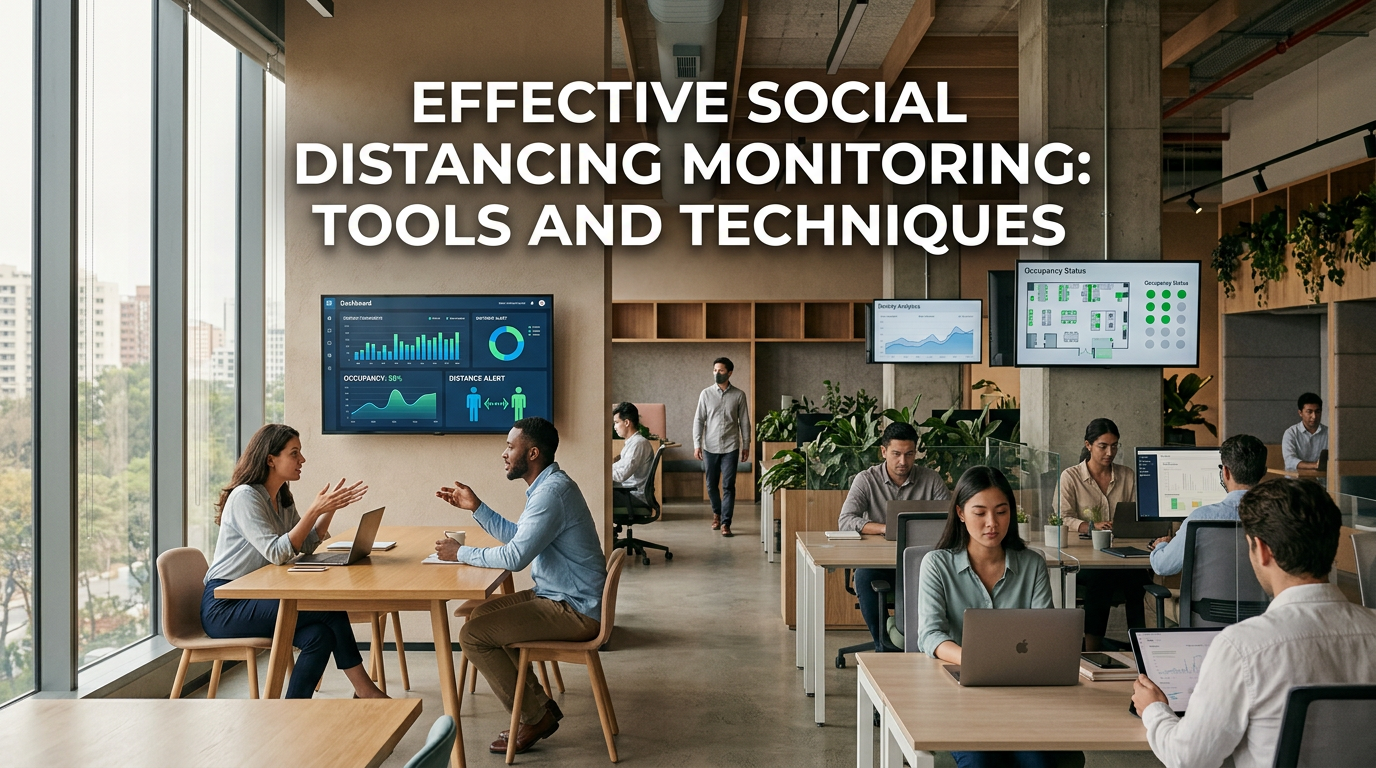
The implementation of AI-driven social distancing monitoring involves strategic integration of hardware and software components. Cameras equipped with AI algorithms are installed in key locations to capture video feeds. These feeds are analyzed in real-time, enabling the system to detect instances where distancing protocols are breached. The system then alerts facility managers or automatically triggers corrective actions.
Implementation Steps
- Needs Assessment: Identify specific areas where social distancing is critical and evaluate the existing infrastructure.
- Hardware Setup: Install AI-ready cameras in strategic locations to ensure optimal coverage.
- Software Configuration: Deploy AI software capable of processing video feeds and detecting social distancing violations.
- Integration with Existing Systems: Ensure seamless integration with existing facility management systems.
- Training and Calibration: Train the AI system to recognize various distancing scenarios and calibrate for accuracy.
- Monitoring and Maintenance: Set up a routine for ongoing monitoring and technical support to maintain system efficacy.
Business Value of AI-Driven Monitoring
Adopting AI-driven social distancing monitoring solutions offers numerous business benefits. These technologies not only enhance workplace safety but also increase operational efficiency and ensure regulatory compliance.
Cost Efficiency
By automating the monitoring process, businesses can reduce the need for manual oversight, thereby lowering labor costs. Additionally, AI systems improve resource allocation by identifying and addressing problem areas before they escalate.
Improved Compliance
AI solutions help organizations maintain adherence to government-mandated health guidelines, thus avoiding potential fines and legal issues. The ability to generate compliance reports further supports audit processes and corporate governance.
Enhanced Safety and Assurance
Ensuring a safe environment is paramount to rebuilding consumer and employee confidence. AI monitoring systems provide visible assurance of an organization’s commitment to safety, fostering trust and brand loyalty.
Risks and Considerations
While AI-driven solutions offer significant advantages, they also come with certain risks and considerations that need to be managed carefully.
Data Privacy Concerns
The deployment of camera systems raises privacy issues, as capturing video footage can inadvertently infringe on individual privacy rights. It is crucial to implement robust data protection measures and ensure compliance with privacy regulations such as GDPR.
Technical Challenges
Ensuring the accuracy and reliability of AI systems is a major technical challenge. Errors in detection or system downtime can lead to lapses in monitoring, potentially increasing infection risks.
Workflows for Effective Monitoring
To harness the full potential of AI solutions, businesses should establish clear workflows for monitoring and response.
Real-Time Monitoring Workflow
- Video Capture: AI-enabled cameras continuously capture footage in key areas.
- Data Processing: The AI system processes video feeds in real-time to identify distancing breaches.
- Alert Generation: Alerts are generated and communicated to facility managers if distancing violations occur.
- Action Execution: Managers can take immediate corrective actions or adjust protocols as necessary.
Data Analysis Workflow
- Data Collection: Aggregate data from AI systems for analysis.
- Trend Analysis: Use analytics tools to identify patterns and trends in social distancing compliance.
- Reporting: Generate reports to inform decision-making and refine distancing strategies.
Key Performance Indicators (KPIs)
Establishing relevant KPIs is essential for measuring the success of AI-driven social distancing solutions.
Distancing Compliance Rate
This KPI tracks the percentage of time distancing protocols are observed correctly, providing insights into the effectiveness of monitoring efforts.
Incident Response Time
Measures the average time taken to respond to a distancing violation alert, indicating the system’s responsiveness and the efficiency of corrective actions.
Reduction in Infection Rates
By correlating monitoring data with health outcomes, businesses can assess the direct impact of AI solutions on infection risk reduction.
Conclusion
AI-driven social distancing monitoring solutions are powerful tools in the fight against infectious diseases. Their ability to provide real-time monitoring, ensure compliance, and enhance workplace safety makes them invaluable in the current and post-pandemic world. While challenges such as data privacy and technical accuracy need attention, the overall business value and societal benefits these technologies offer are substantial. By leveraging AI, organizations can not only protect public health but also navigate the complexities of a rapidly changing regulatory landscape with confidence.
Case Studies of Successful Implementations
To better understand the effectiveness of AI-driven social distancing monitoring, examining specific case studies can provide valuable insights. These examples highlight how various organizations have successfully integrated AI solutions to enhance safety and compliance.
Retail Sector: Enhancing Customer Safety
A leading supermarket chain implemented AI-driven monitoring systems across multiple locations to manage customer flow and ensure social distancing compliance. By strategically placing AI-enabled cameras at entry points and high-traffic aisles, the chain was able to analyze foot traffic patterns and optimize store layouts accordingly. As a result, the stores saw a significant decrease in overcrowding events and an increase in customer satisfaction scores.
Manufacturing Plants: Streamlining Operations
An automotive manufacturing plant adopted AI monitoring to manage employee movements and maintain safe distances on the production floor. The plant integrated AI solutions with their existing IoT infrastructure to track real-time location data and automate alerts for any distancing breaches. This integration not only improved compliance with health protocols but also minimized production downtime by quickly addressing potential safety risks.
Corporate Offices: Ensuring a Safe Return
A multinational corporation implemented AI monitoring solutions to facilitate a phased return to office work. By analyzing data from AI-driven systems, the office management was able to dynamically adjust seating arrangements, schedule staggered work hours, and monitor communal areas for compliance. This approach resulted in a smooth transition back to the office environment, with employees reporting increased confidence in workplace safety measures.
Advancements in AI Technology for Monitoring
The rapid evolution of AI technologies continues to enhance the capabilities of social distancing monitoring systems. Emerging advancements in AI are further expanding the scope and effectiveness of these solutions, offering new opportunities for businesses to improve safety and operational efficiency.
Integration with Wearable Devices
AI solutions are increasingly being integrated with wearable devices, such as smartwatches and RFID tags, to enhance social distancing monitoring. These devices can provide real-time data on individual movements and proximity to others, allowing for more precise monitoring and alerting. This integration offers a personalized approach to safety, especially in environments where fixed camera installations may be challenging.
AI and Machine Learning Algorithm Improvements
Continuous improvements in AI and machine learning algorithms allow for more accurate detection of social distancing violations. Advanced algorithms can now identify complex human behaviors and predict potential breaches before they occur. This predictive capability enables businesses to proactively manage high-risk situations and optimize their response strategies.
Cloud-Based Monitoring Solutions
Cloud-based AI monitoring solutions offer scalability and flexibility, making it easier for organizations to deploy systems across multiple sites. By leveraging cloud infrastructure, businesses can centralize data analytics and reporting, facilitating better decision-making and resource management. This approach also supports remote monitoring capabilities, enabling facility managers to oversee operations from anywhere in the world.
Future Prospects and Innovations
As AI technology continues to evolve, the future of social distancing monitoring holds promising prospects for further innovation. Emerging trends and research suggest several areas where AI solutions can expand their impact.
AI-Driven Contact Tracing
AI solutions are poised to enhance contact tracing efforts by analyzing movement patterns and identifying potential exposure pathways. These systems can automate the tracing process, reducing the time and resources required to track and notify individuals of potential exposure to infectious diseases.
Enhanced User Interfaces and User Experience
The development of intuitive user interfaces and enhanced user experiences will make AI monitoring systems more accessible and easier to use. Simplified dashboards and interactive tools can help facility managers quickly interpret data, customize alerts, and implement safety measures effectively.
Collaboration with Public Health Agencies
AI-driven social distancing monitoring systems can serve as valuable tools for public health agencies, providing critical data to inform policy decisions and public health strategies. By collaborating with these agencies, businesses can contribute to broader efforts to control the spread of infectious diseases and protect community health.