
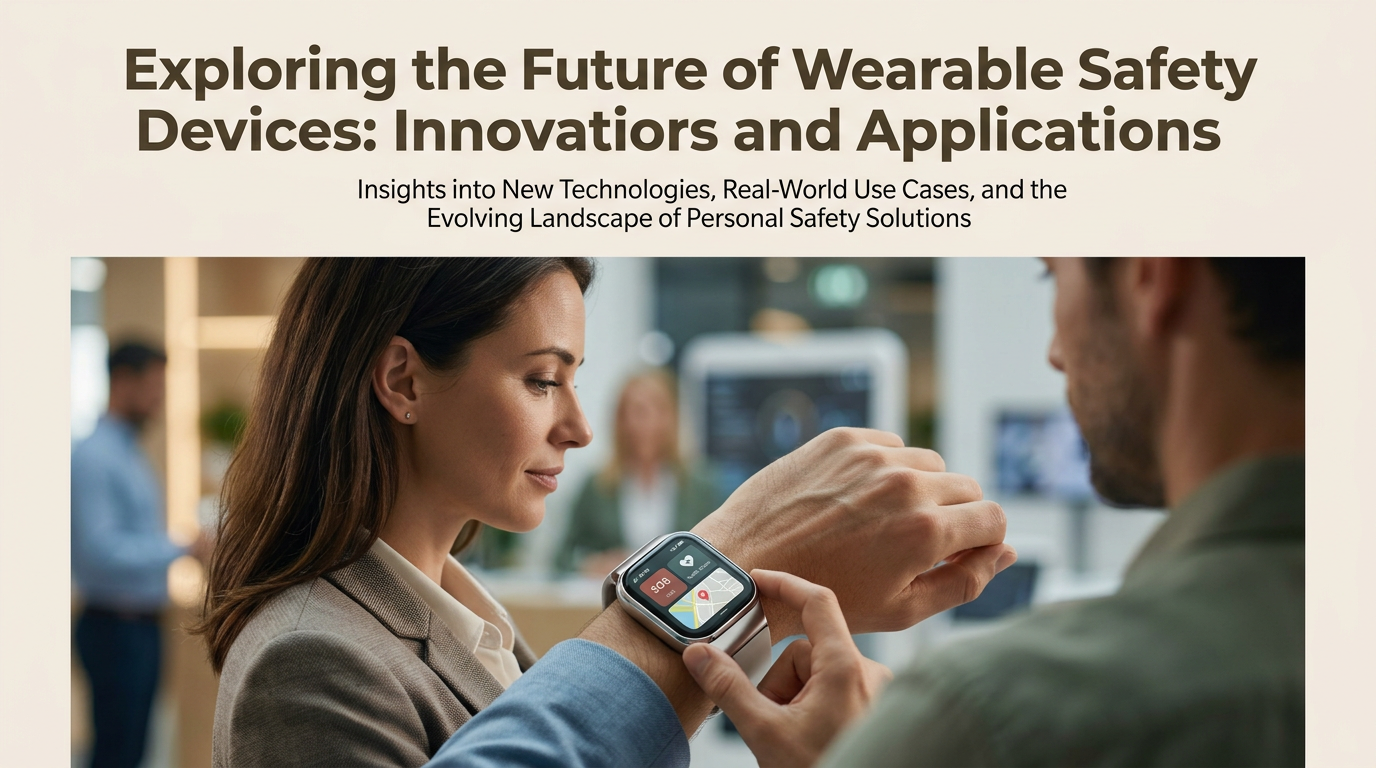
The Rise of Wearable Safety Devices
In recent years, the integration of artificial intelligence (AI) into wearable safety devices has transformed industries ranging from construction to healthcare. These devices are designed to enhance safety by monitoring, predicting, and preventing potential hazards in real-time. As technology evolves, the capabilities of wearable safety devices continue to expand, offering innovative applications and significant business value.
AI-Powered Innovations in Wearable Safety Devices
Real-Time Monitoring and Alerts
One of the key innovations in wearable safety devices is real-time monitoring. AI algorithms process data from sensors embedded in wearables to detect anomalies or dangerous patterns. For example, in the construction industry, helmets equipped with sensors can monitor a worker's vital signs and environmental conditions, alerting supervisors to potential heat stress or fatigue.
Predictive Analytics for Accident Prevention
AI-powered predictive analytics is another groundbreaking feature. By analyzing historical data, these devices can foresee potential safety hazards and alert users before incidents occur. This proactive approach is particularly valuable in high-risk environments, such as manufacturing, where AI can predict machinery malfunctions or unsafe operational behaviors.
Geofencing and Location Tracking
Wearable safety devices with AI-driven geofencing capabilities can define safe zones for workers. When individuals approach hazardous areas or deviate from safe routes, instant alerts are triggered. This technology is crucial in sectors like mining, where ensuring personnel remain within designated areas is critical for safety.
Practical Implementation of Wearable Safety Devices
Steps to Integration
- Assessment: Identify specific safety concerns within the organization that wearable devices could address.
- Partnership: Collaborate with technology providers specializing in wearable safety solutions tailored to industry needs.
- Pilot Testing: Implement devices on a small scale to evaluate effectiveness and gather feedback.
- Training: Educate employees on device usage and maintenance to maximize benefits and ensure compliance.
- Scaling: Deploy devices across broader sectors of the organization, continuously monitoring performance and making necessary adjustments.
Business Value of Wearable Safety Devices
Enhanced Worker Safety
By utilizing AI to predict and prevent accidents, wearable safety devices significantly enhance worker safety, reducing injury-related costs and improving overall workforce health. Safer work environments lead to increased morale and productivity.
Cost Efficiency
Investing in wearable safety technology can lead to substantial cost savings. The reduction in workplace accidents lowers insurance premiums and liability claims, while preventing downtime and enhancing operational efficiency.
Data-Driven Decision Making
These devices collect and analyze vast amounts of data, providing invaluable insights into safety trends and operational inefficiencies. Organizations can leverage this data for informed decision-making, leading to continuous improvement in safety protocols and workflows.
Risks and Challenges
Data Privacy Concerns
The collection and processing of personal data through wearable devices raise significant privacy concerns. Companies must prioritize data security and comply with relevant regulations to protect employee information.
Technology Dependence
Over-reliance on technology can lead to complacency in safety practices. It is essential to balance technological solutions with traditional safety measures and regular training.
Workflows and KPIs for Wearable Safety Devices
Optimizing Workflows
Wearable safety devices can streamline safety workflows by automating monitoring and reporting processes. AI algorithms can prioritize alerts based on severity, allowing safety officers to focus on critical issues.
Key Performance Indicators (KPIs)
- Incident Reduction Rate: Measures the decrease in workplace accidents post-implementation.
- Response Time to Alerts: Evaluates the speed at which alerts are addressed by supervisors or safety personnel.
- Device Adoption Rate: Tracks the percentage of employees utilizing the devices consistently.
- Cost Savings from Reduced Accidents: Quantifies financial savings resulting from fewer accidents and related expenses.
Case Studies and Examples
Construction Industry
In the construction sector, companies like XYZ Construction have implemented AI-driven helmets equipped with sensors that monitor heart rates and detect hazardous gases. Since adoption, XYZ Construction reports a 40% reduction in on-site accidents and a 30% decrease in project delays due to safety incidents.
Healthcare Sector
In healthcare, wearable safety devices are used to ensure the safety of personnel handling hazardous materials. Institutions like ABC Hospital employ smart ID badges that track location and alert staff entering restricted zones without proper authorization, significantly reducing safety breaches.
Conclusion
Wearable safety devices represent a revolutionary shift in how industries approach safety. By harnessing the power of AI, these devices not only enhance the immediate safety of workers but also contribute to long-term business value through cost savings and data-driven insights. As technology advances, the potential applications for wearable safety devices will continue to grow, offering even greater benefits across various sectors. Organizations must navigate potential challenges prudently to fully realize the advantages of this transformative technology.
Future Trends in Wearable Safety Devices
Integration with IoT
As the Internet of Things (IoT) continues to expand, the integration of wearable safety devices with IoT networks presents exciting possibilities. By connecting wearables to other smart devices and machinery, organizations can achieve a more cohesive safety monitoring system. This integration allows for seamless communication and data exchange, further enhancing predictive analytics capabilities and improving overall safety oversight.
Advanced AI and Machine Learning Algorithms
Continuous advancements in AI and machine learning algorithms are set to elevate the capabilities of wearable safety devices. Future iterations of these devices will be able to learn from new data, adapt to changing environments, and improve accuracy in detecting hazards. This adaptability will be crucial in dynamic work environments where safety conditions can rapidly change.
Cross-Industry Applications
Retail Sector
In the retail industry, wearable safety devices can play a pivotal role in ensuring the safety of employees working in warehouses and stockrooms. Smart gloves equipped with sensors could detect improper lifting techniques, reducing the risk of musculoskeletal injuries. Additionally, wearables can monitor environmental conditions, such as air quality and temperature, ensuring a safe and comfortable working environment for retail staff.
Transportation and Logistics
Wearable safety devices hold significant potential in the transportation and logistics sector. Drivers can benefit from wearables that monitor fatigue levels and alert them to take breaks when necessary. Furthermore, logistics workers can use wearables to improve safety in loading and unloading zones through real-time monitoring and alerts, minimizing the risk of accidents.
Overcoming Barriers to Adoption
Addressing Cost Concerns
The initial investment required for wearable safety devices can be a barrier for some organizations, particularly smaller enterprises. However, companies can explore financing options, partnerships, and phased implementation strategies to mitigate up-front costs. Demonstrating the long-term cost savings and safety benefits of wearables can also persuade stakeholders to invest in this technology.
Ensuring User Acceptance
For wearable safety devices to be effective, user acceptance is critical. Organizations should involve employees in the selection and testing process to ensure that the devices meet their needs and preferences. Providing comprehensive training and support can also enhance user adoption and ensure that employees are comfortable and confident in using the technology.
Regulatory Considerations
As wearable safety devices become more prevalent, regulatory bodies may establish guidelines and standards to ensure their safe and effective use. Organizations need to stay informed about potential regulatory changes and ensure compliance with existing safety and data protection laws. Engaging with industry bodies and participating in standard-setting initiatives can help companies proactively address regulatory considerations.
Conclusion
The future of wearable safety devices is promising, with advancements in AI, IoT, and machine learning set to further enhance their capabilities. As adoption grows across various industries, organizations can unlock significant safety and business benefits. By addressing potential adoption barriers and staying ahead of regulatory developments, companies can successfully integrate wearable safety devices into their operations, ensuring a safer and more efficient work environment for all employees.