
Introduction to PPE Check Solutions
In the evolving landscape of occupational safety, Personal Protective Equipment (PPE) plays a critical role in protecting workers from hazards. However, ensuring that PPE is used correctly and consistently across various job sites has traditionally been a challenge. Enter PPE Check solutions powered by Artificial Intelligence (AI), revolutionizing how organizations manage workplace safety. This article explores the practical implementation of AI-driven PPE Check solutions, the business value they bring, the risks they mitigate, and the measurable outcomes that organizations can expect.
Understanding AI-Driven PPE Check Solutions
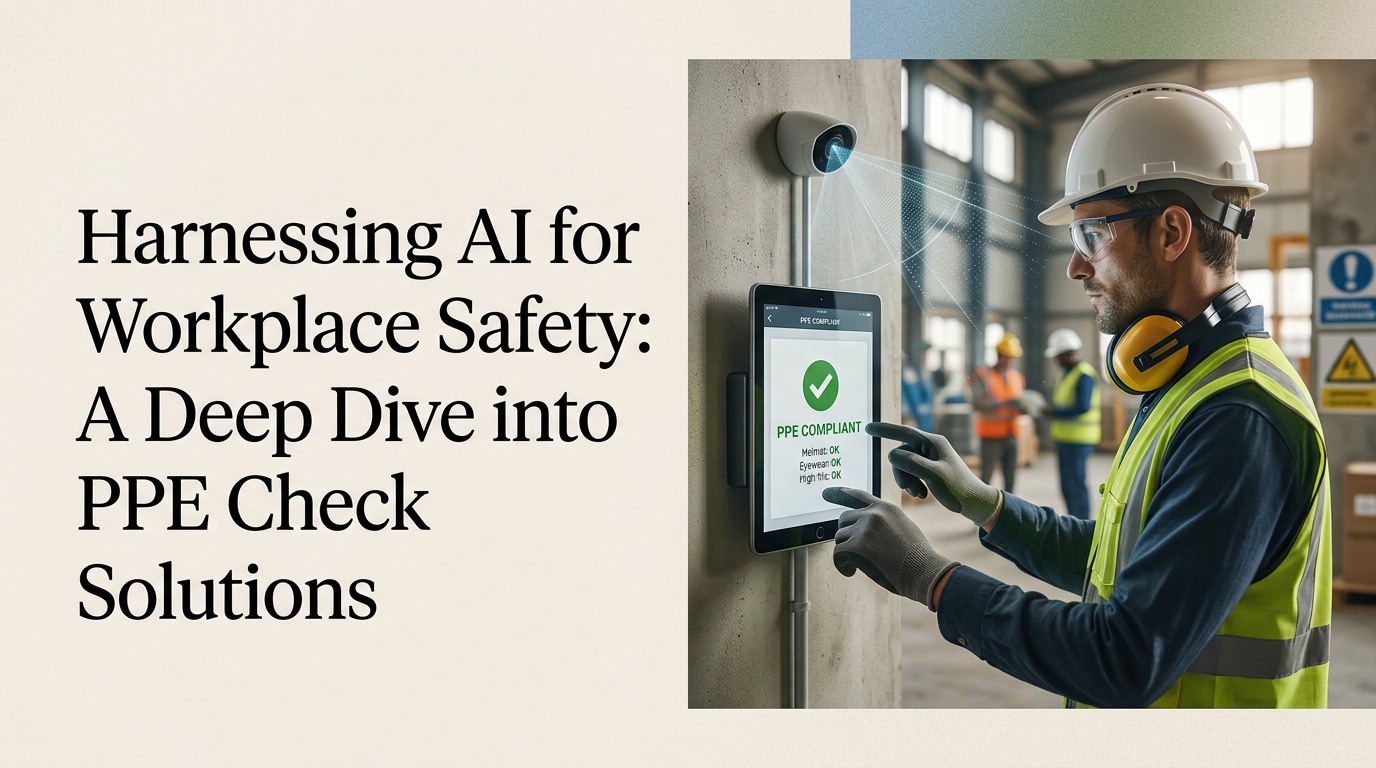
PPE Check solutions utilize AI technologies such as machine learning, computer vision, and IoT to monitor and verify the usage of PPE in real-time. By integrating these smart solutions into the workplace, companies can automate the process of safety compliance checks, thereby reducing human error and enhancing efficiency.
Practical Implementation of PPE Check Solutions
The implementation of AI-driven PPE Check solutions begins with the deployment of smart cameras and sensors in high-risk areas. These devices are equipped with computer vision capabilities to recognize and record PPE compliance among employees. The data collected is then processed using machine learning algorithms to identify patterns, non-compliance incidents, and areas for improvement.
Additionally, integrating these systems with existing enterprise resource planning (ERP) software allows for seamless data flow, ensuring that safety managers have real-time updates on PPE compliance. This integration aids in automating report generation, which can be used for auditing purposes and compliance documentation.
Business Value of AI-Driven PPE Check Solutions
The primary business value of implementing PPE Check solutions lies in enhanced safety and reduced workplace incidents. By ensuring that all employees are correctly using their PPE, organizations can significantly decrease the number of accidents and associated costs, such as medical expenses and compensation claims.
Furthermore, automation in compliance checks frees up human resources, allowing safety personnel to focus on more strategic tasks rather than manual monitoring. This efficiency translates into cost savings and improved productivity across the organization.
Risk Mitigation through PPE Check Solutions
One of the critical risk factors in workplace safety is human error. AI-driven PPE Check solutions mitigate this risk by providing automated, unbiased, and constant monitoring of PPE usage. The system alerts safety officers immediately when non-compliance is detected, reducing the time between detection and corrective action.
Moreover, these solutions help in predicting potential safety breaches by analyzing historical data and forecasting future trends. This predictive capability enables proactive measures, preventing accidents before they happen.
Workflow Integration and Optimization
Integrating PPE Check solutions into existing workflows is crucial for maximizing their effectiveness. Organizations should conduct a thorough analysis of their current safety protocols and workflows to identify how AI solutions can be incorporated. Training for employees and safety officers on using these new technologies is also essential to ensure smooth adoption and operation.
Workflow optimization is achieved by streamlining safety checks and generating automated reports, providing management with actionable insights to make data-driven decisions.
Key Performance Indicators (KPIs) for PPE Check Solutions
To evaluate the effectiveness of PPE Check solutions, organizations can track several KPIs, including:
- Compliance Rate: The percentage of employees correctly using PPE.
- Incident Rate: The number of safety incidents before and after implementation.
- Response Time: The time taken to address non-compliance alerts.
- Cost Savings: Reduction in expenses related to accidents and manual compliance checks.
Case Studies and Examples
Several organizations have successfully integrated AI-driven PPE Check solutions with significant positive outcomes. For instance, a leading construction company reported a 40% reduction in safety incidents within the first year of implementation, thanks to real-time monitoring and automated compliance checks.
Another example is a manufacturing plant that achieved a 95% compliance rate by leveraging AI solutions, resulting in decreased downtime and increased worker productivity.
Conclusion
AI-driven PPE Check solutions represent a significant advancement in workplace safety management. By automating compliance checks, reducing human error, and providing real-time insights, these solutions offer substantial business value and risk mitigation. Organizations that embrace these advanced technologies can expect improved safety outcomes, cost savings, and enhanced productivity, ultimately fostering a safer and more efficient work environment.
Challenges in Implementing PPE Check Solutions
While the benefits of AI-driven PPE Check solutions are clear, organizations may face several challenges during implementation. One common hurdle is the initial cost and investment required for installing advanced technologies such as smart cameras and IoT devices. Additionally, there may be resistance to change from employees who are accustomed to traditional safety monitoring methods.
To overcome these challenges, companies should focus on a phased implementation approach. This involves beginning with pilot programs in select areas to test the effectiveness of the technology and gain insights into potential issues. By demonstrating early successes, organizations can foster greater acceptance and build support for broader implementation.
Data Privacy and Security Concerns
Another challenge involves addressing data privacy and security concerns. With the collection of real-time data on employee movements and PPE usage, organizations must ensure compliance with relevant data protection regulations such as GDPR or CCPA. Companies should implement robust data governance frameworks and adopt secure data management practices to safeguard sensitive information.
Continuous Improvement and Innovation
AI-driven PPE Check solutions should be seen as dynamic tools that require continuous improvement and innovation. As technology advances, organizations must stay informed about new features and capabilities that can enhance their safety management systems. This may involve regular updates to the software and hardware components of PPE Check solutions to maintain their effectiveness.
Furthermore, organizations should encourage a culture of feedback and innovation, allowing employees to share their experiences and suggest improvements. This collaborative approach enhances the system's effectiveness and keeps the company at the forefront of safety management technology.
Future Trends in PPE Check Solutions
The future of PPE Check solutions lies in further integration with advanced technologies such as augmented reality (AR) and virtual reality (VR). These technologies can simulate workplace environments, allowing employees to train in a safe and controlled setting while reinforcing the importance of PPE compliance.
Moreover, advancements in AI algorithms will enable more sophisticated analysis of safety data, providing organizations with deeper insights into potential risks and compliance trends. As AI technology evolves, PPE Check solutions will become even more proactive, effectively predicting and preventing safety incidents before they occur.
Leveraging PPE Check Solutions for Regulatory Compliance
Adopting AI-driven PPE Check solutions can significantly aid organizations in meeting regulatory compliance requirements. By automating the documentation process and ensuring real-time compliance monitoring, companies can easily generate reports and evidence required during regulatory audits. This not only simplifies compliance processes but also reduces the risk of penalties for non-compliance.
Furthermore, demonstrating the use of advanced safety technologies can enhance an organization's reputation as a leader in safety management, fostering trust with regulatory bodies, clients, and employees alike.
Improving Employee Engagement and Safety Culture
Implementing PPE Check solutions can also contribute to a stronger safety culture within an organization. By showcasing a commitment to employee safety and leveraging cutting-edge technology, companies can improve engagement and morale among workers. Employees are more likely to adhere to safety protocols when they see their organization investing in their well-being.
Additionally, regular training sessions on new PPE Check technologies can empower employees with knowledge and skills, further enhancing their commitment to maintaining a safe working environment.
Conclusion
Incorporating AI-driven PPE Check solutions into workplace safety protocols is a strategic investment that offers significant benefits. While challenges such as cost and data privacy must be addressed, the long-term advantages of improved safety, regulatory compliance, and enhanced productivity are undeniable. As technology continues to evolve, organizations that adapt their safety strategies to include these advanced solutions will be well-positioned to lead in creating safer and more efficient workplaces.