
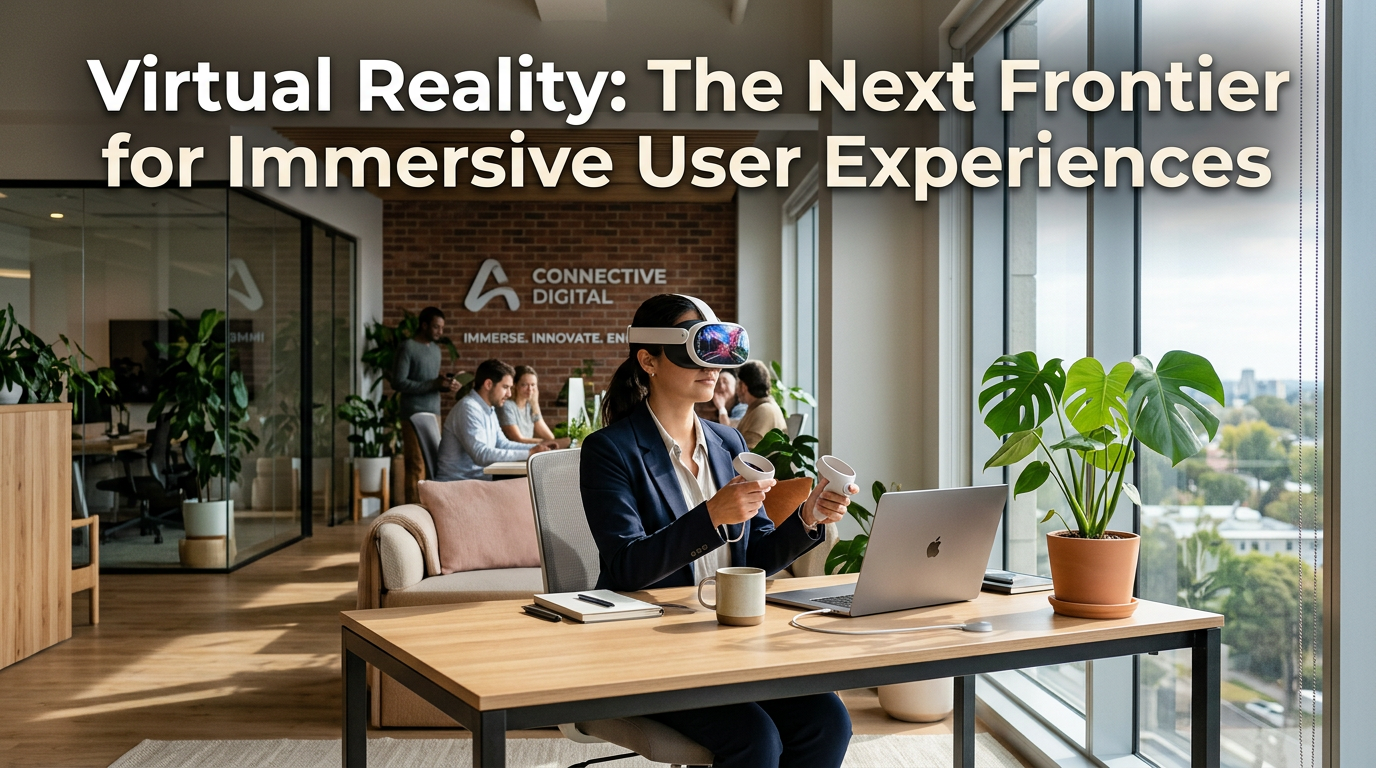
Introduction to Virtual Reality
In recent years, Virtual Reality (VR) has emerged as a transformative technology, offering businesses a unique opportunity to deliver immersive user experiences. By leveraging AI solutions, VR is positioned as the next frontier in digital interaction, providing a multi-sensory environment that engages users in ways that traditional media cannot. This article explores practical implementations of VR, the business value it offers, associated risks, workflows, and key performance indicators (KPIs) for measuring success.
Practical Implementations of VR Using AI Solutions
Virtual Reality, powered by AI, is being adopted across various industries to create realistic simulations and interactive experiences. One notable implementation is in the field of training and education. By creating virtual environments, businesses can simulate real-world scenarios, allowing for safe and cost-effective training. For example, flight simulators use VR to train pilots under various conditions without the risk associated with real flights.
In healthcare, VR is used for surgical training, offering medical professionals the chance to practice complex procedures in a controlled environment. This not only enhances their skills but also reduces the chances of errors during actual surgeries. AI-driven analytics can further personalize the training experience by adapting the difficulty level based on the trainee's performance.
Retail is another sector where VR is making a significant impact. AI-powered virtual showrooms allow customers to explore products in a 3D environment, enhancing the online shopping experience. Retailers can analyze user interactions to gain insights into consumer behavior, improving product placement and marketing strategies.
Business Value of Virtual Reality
The business value of VR extends beyond enhanced user engagement. One primary advantage is cost savings. By utilizing VR for training and prototyping, companies can significantly reduce expenses associated with physical materials and logistics. Furthermore, the immersive nature of VR can increase user satisfaction and retention rates, providing a competitive edge in customer-centric industries.
VR also opens new revenue streams. In entertainment, VR experiences can be monetized through ticket sales or subscriptions, as seen in virtual concerts and gaming platforms. Additionally, the data collected from VR interactions can be used to drive targeted advertising and personalized marketing campaigns.
Risks and Challenges of VR Implementation
Despite its benefits, integrating VR into business operations poses certain risks. High initial costs for hardware and software development can be a barrier for small and medium-sized enterprises. Furthermore, the technology demands significant bandwidth and computing power, which may not be feasible for all businesses.
Another challenge is the potential for user discomfort, such as motion sickness, which can deter widespread adoption. Businesses must carefully design VR experiences to minimize such issues, often requiring rigorous user testing.
Workflows for Successful VR Integration
Implementing VR solutions involves several key workflows. Initially, businesses must define clear objectives and identify areas where VR can add the most value. This is followed by selecting appropriate hardware and software solutions, often in partnership with VR and AI specialists.
The development phase includes creating content and simulations that align with business goals. This stage involves iterative testing and refinement to ensure the VR experiences are engaging and effective.
Deployment requires robust IT infrastructure to support VR applications, ensuring seamless performance and connectivity. Post-deployment, businesses should continuously gather user feedback and performance data to optimize VR experiences and maintain relevance.
Key Performance Indicators for VR Success
Measuring the effectiveness of VR solutions is crucial for understanding their business impact. Key performance indicators (KPIs) for VR include user engagement metrics, such as session duration and repeat usage rates. These indicators reflect the level of interest and satisfaction users have with the VR experience.
Customer feedback scores and Net Promoter Scores (NPS) provide insights into user satisfaction and willingness to recommend the VR experience to others. Additionally, conversion rates and sales data can help quantify the financial impact of VR on business outcomes.
Case Studies and Examples
A leading automotive company successfully implemented VR to enhance its design and prototyping processes. By creating virtual models of vehicles, the company reduced its time-to-market by 30% and decreased prototyping costs by 50%. Similarly, a global retail brand launched a virtual store, resulting in a 20% increase in online sales and a 15% boost in customer engagement.
In the education sector, a university implemented VR-based learning modules, leading to a 25% improvement in student performance and a higher retention rate of complex subjects.
Conclusion
As businesses continue to explore new ways to engage with users, Virtual Reality, powered by AI, offers a promising solution. Its ability to create immersive and interactive experiences can transform industries and redefine user engagement. However, businesses must carefully plan and execute VR implementations to maximize their potential value while mitigating associated risks. By focusing on clear objectives, robust workflows, and measurable outcomes, businesses can harness the power of VR to drive innovation and growth.
Future Trends in Virtual Reality
As technology continues to advance, the future of Virtual Reality holds exciting possibilities. One emerging trend is the integration of VR with augmented reality (AR) to create mixed-reality experiences that blend digital and physical worlds. This hybrid approach could revolutionize industries such as real estate, where potential buyers can visualize home modifications in real-time.
Another trend is the development of social VR platforms, where users can interact and collaborate in shared virtual environments. This has the potential to transform remote work, offering immersive meeting spaces that enhance team collaboration and creativity.
Enhanced AI Capabilities
The role of AI in VR is expected to grow, with more sophisticated algorithms enabling smarter and more responsive virtual environments. AI can enhance user interactions by personalizing content and providing real-time feedback, creating a more engaging and adaptive experience. This could be particularly beneficial in education, where AI-driven VR can tailor lessons to individual learning styles and progress.
Increased Accessibility
The democratization of VR technology is another anticipated trend. As hardware becomes more affordable and user-friendly, a broader audience will be able to access high-quality VR experiences. This accessibility will drive innovation across sectors, as more businesses and consumers adopt VR for various applications.
Potential Areas for VR Expansion
- Healthcare and Therapy: Beyond training, VR could play a significant role in therapeutic applications. Virtual reality therapy is being explored for mental health treatments, offering immersive environments for exposure therapy and stress relief.
- Telepresence: VR could redefine communication through telepresence technology, allowing individuals to interact in a shared virtual space regardless of physical location. This could have profound implications for global collaboration and connectivity.
- Art and Creativity: VR is set to become a canvas for artistic expression, enabling creators to produce immersive art installations and performances. This new medium can offer unique storytelling opportunities and engage audiences in novel ways.
Strategic Considerations for Businesses
For businesses considering VR adoption, it is crucial to take a strategic approach. This involves not only addressing technical challenges but also anticipating user needs and market trends. Companies should invest in continuous research and development to stay ahead of technological advancements and maintain a competitive edge.
Furthermore, businesses must consider ethical implications, such as user privacy and data security. As VR collects vast amounts of user data, implementing robust security measures is essential to protect sensitive information and build user trust.
Conclusion: The Path Forward
Virtual Reality, powered by AI, is poised to redefine how we interact with the digital world. By embracing VR, businesses can unlock new avenues for engagement and innovation. However, success in VR requires careful planning, strategic investment, and a commitment to addressing challenges proactively. As VR technology evolves, staying informed and adaptable will be key to leveraging its full potential.