
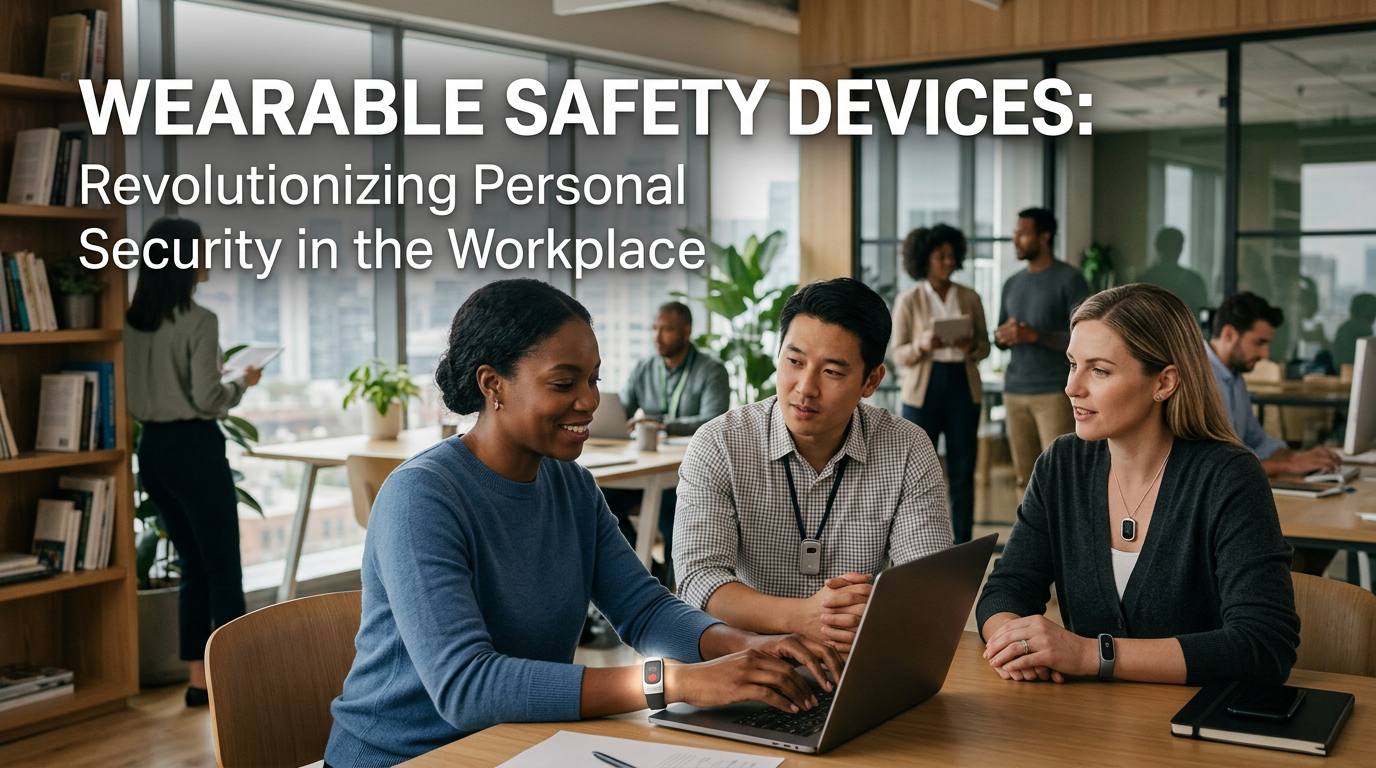
Introduction to Wearable Safety Devices
The landscape of workplace safety is undergoing a transformative shift with the introduction of wearable safety devices, leveraging the power of Artificial Intelligence (AI) to ensure enhanced personal security. These devices are not only revolutionizing how we perceive safety but also how businesses operate in various sectors, from construction to healthcare.
Understanding the AI-Driven Wearable Safety Devices
AI-driven wearable safety devices are smart gadgets that employees can wear to track, analyze, and communicate data about their surroundings. These devices are equipped with sensors and AI algorithms that provide real-time insights into the safety conditions of a workplace. They can detect potential hazards, monitor health metrics, and even alert emergency services in case of an accident.
Key Features of AI-Driven Wearables
- Real-Time Monitoring: Continuous tracking of environmental conditions and personal health metrics.
- Hazard Detection: Identifying risks such as exposure to harmful gases or extreme temperatures.
- Emergency Response: Automatic alerts to emergency responders in critical situations.
Practical Implementation of Wearable Safety Devices
The implementation of wearable safety devices involves several strategic steps to integrate them effectively into workplace operations.
Step 1: Needs Assessment
Before implementing wearable devices, businesses must conduct a thorough assessment to understand their specific safety needs. This involves identifying the most common workplace hazards and the potential impact on employees.
Step 2: Choosing the Right Devices
Based on the needs assessment, companies should select devices that best align with their safety objectives. Factors to consider include the device's durability, battery life, sensor accuracy, and ease of integration with existing systems.
Step 3: Pilot Testing
Conducting a pilot test allows businesses to evaluate the effectiveness of the devices in real-world scenarios. This phase is crucial for gathering feedback from users and making necessary adjustments before full-scale deployment.
Step 4: Full Deployment and Training
After successful pilot testing, the next step is to deploy the devices across the organization. Comprehensive training sessions must be conducted to ensure employees are comfortable using the technology and understand its benefits.
Business Value of Wearable Safety Devices
The integration of AI-powered wearables in the workplace offers substantial business value, primarily by enhancing safety, improving operational efficiency, and reducing costs.
Enhanced Safety
Wearable devices provide a proactive approach to safety, enabling early detection of potential hazards, thereby reducing the incidence of workplace accidents and injuries.
Improved Operational Efficiency
By automating safety monitoring processes, these devices free up valuable time for employees, allowing them to focus more on their core tasks and increasing overall productivity.
Cost Reduction
Minimizing accidents and injuries leads to significant savings in workers' compensation claims, insurance premiums, and legal liabilities associated with workplace incidents.
Risks and Challenges in Implementation
While the benefits are significant, the implementation of wearable safety devices also comes with potential risks and challenges.
Data Privacy Concerns
The collection and processing of personal data by wearable devices raise privacy issues, requiring robust data protection measures to ensure compliance with regulations like GDPR.
Integration Challenges
Smooth integration with existing IT infrastructure can be challenging, necessitating careful planning and potentially the involvement of specialized IT consultants.
Employee Acceptance
Resistance from employees who are unfamiliar with technology or concerned about constant monitoring can hinder adoption. Addressing these concerns through transparent communication and involving employees in the implementation process is crucial.
Workflows Enhanced by Wearable Safety Devices
Wearable safety devices streamline various workflows, enhancing information flow and decision-making.
Real-Time Data Analytics
These devices continuously gather data that are analyzed to provide actionable insights, enabling quick decision-making in urgent situations.
Automated Reporting
Automated generation of safety reports saves time and ensures that accurate data is available for compliance and audit purposes.
Continuous Improvement
AI algorithms learn from the data over time, improving their predictive capabilities and further enhancing workplace safety protocols.
Key Performance Indicators (KPIs) for Measuring Success
To evaluate the success of implementing wearable safety devices, businesses should monitor specific KPIs.
Incident Reduction Rate
Tracking the number of incidents before and after implementation provides a clear measure of the impact of the technology on workplace safety.
Employee Compliance Rate
Measuring the extent to which employees use and comply with the wearable device protocols helps assess user acceptance and effectiveness.
Return on Investment (ROI)
Calculating the ROI involves analyzing the cost savings from reduced incidents against the total investment in the technology.
Examples of Wearable Safety Devices in Use
Numerous industries have successfully integrated wearable safety devices, showcasing their versatility and effectiveness.
Construction Industry
In construction, wearables equipped with GPS and motion sensors help monitor workers' positions and activities, ensuring compliance with safety protocols and preventing unauthorized access to hazardous areas.
Healthcare Sector
In healthcare, smart badges can track healthcare workers' exposure to pathogens, providing critical data to prevent the spread of infections and ensure a safe working environment.
Conclusion
Wearable safety devices represent a significant advancement in workplace safety measures. By effectively implementing these AI-powered technologies, businesses can enhance safety, optimize operations, and achieve measurable outcomes. As these technologies continue to evolve, they promise to redefine personal security standards in workplaces worldwide.
Future Trends in Wearable Safety Devices
As technology continues to advance, wearable safety devices are poised to become even more sophisticated, offering innovative features that further enhance workplace safety. Here, we explore some of the emerging trends that are set to shape the future of wearable safety technology.
Integration with IoT and Smart Environments
The integration of wearable devices with the Internet of Things (IoT) will enable real-time communication between wearables and other smart devices in the workplace. This synergy will create a more responsive and adaptive safety ecosystem, where devices can dynamically interact with their environment to prevent accidents.
Advancements in Sensor Technology
Future wearable devices are expected to incorporate advanced sensors capable of detecting a wider range of environmental and physiological parameters. These enhancements will improve the accuracy and reliability of hazard detection, ensuring better protection for employees.
Case Studies of Successful Implementation
Examining real-world examples of wearable safety devices in action provides valuable insights into their implementation and impact.
Manufacturing Sector
In a leading automotive manufacturing plant, wearable devices equipped with fatigue detection sensors were introduced to monitor workers' alertness levels. The result was a noticeable decrease in workplace accidents attributed to fatigue-induced errors, showcasing the devices' efficacy in promoting safer working conditions.
Energy Sector
An energy company implemented wearables with heat stress sensors to safeguard workers operating in high-temperature environments. These devices provided early warnings of heat stress, allowing timely interventions and significantly reducing heat-related incidents.
Improving Employee Engagement with Wearable Safety Devices
For wearable safety devices to be successful, it is crucial to engage employees effectively. Here are strategies to enhance employee engagement with these technologies:
- Comprehensive Training: Conduct detailed training sessions to familiarize employees with the functionality and benefits of wearable devices.
- Feedback Mechanisms: Establish channels for employees to provide feedback on device usage, fostering a sense of ownership and continuous improvement.
- Incentivization: Implement reward systems for consistent and correct use of wearables, encouraging wider adoption across the workforce.
The Role of AI in Enhancing Wearable Device Capabilities
Artificial Intelligence plays a pivotal role in enhancing the capabilities of wearable safety devices. By leveraging machine learning algorithms, these devices can offer predictive insights and personalized safety recommendations.
Machine Learning for Predictive Safety
Machine learning models can analyze historical data to predict potential safety issues before they occur, allowing preventive measures to be taken in advance. This proactive approach not only enhances safety but also minimizes downtime and associated costs.
Customized Safety Alerts
AI enables the development of personalized safety alerts tailored to individual employees' roles and environments. This customization ensures that workers receive relevant notifications, improving their responsiveness to potential hazards.