
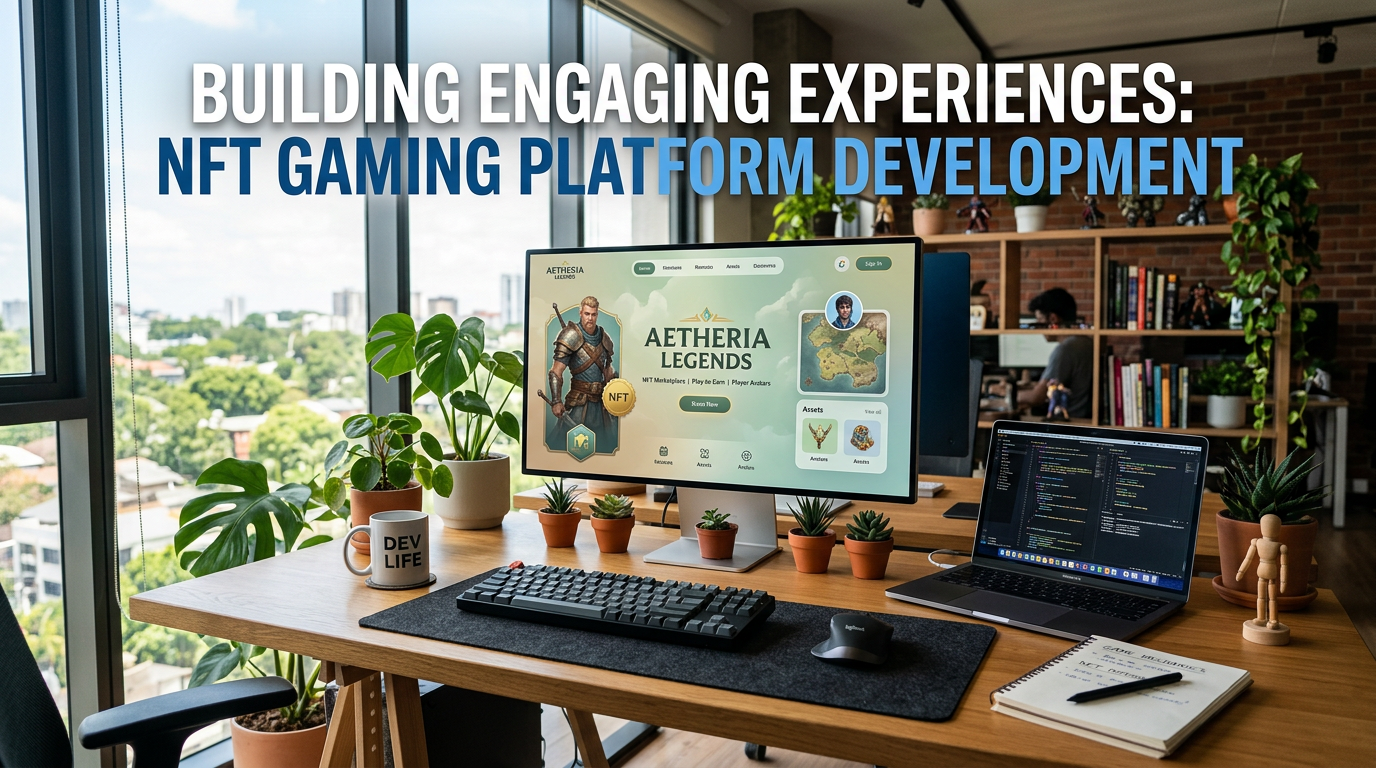
Introduction to NFT Gaming Platforms
The gaming industry has always been at the forefront of adopting new technologies, and the recent surge in interest in blockchain and NFTs (Non-Fungible Tokens) is no exception. NFT gaming platforms are revolutionizing the landscape by allowing players to truly own their in-game assets, trade them, and potentially profit from their gaming skills and investments. 4A Labs leverages cutting-edge technology to develop NFT gaming platforms that offer engaging experiences and unlock new revenue streams for developers and players alike.
Understanding NFT Technology
NFTs are unique digital assets verified using blockchain technology. Unlike cryptocurrencies such as Bitcoin or Ethereum, which are identical and can be exchanged on a one-to-one basis, NFTs are non-interchangeable and have individual characteristics that make them valuable. This uniqueness has allowed for the creation of virtual items with real-world value, enabling players to trade, sell, and showcase their collections in a verifiable manner.
The Role of Blockchain in Gaming
Blockchain technology underpins NFTs by providing a decentralized ledger that securely records all transactions. This ensures transparency and trust, which are critical components in the digital asset marketplace. Within gaming, blockchain allows for the creation of decentralized applications (dApps) that can facilitate the sale, trade, and ownership verification of digital assets, thus opening up new economic opportunities for players and developers.
Key Features of a Successful NFT Gaming Platform
When developing an NFT gaming platform, several critical features ensure its success and user engagement:
1. Secure and Scalable Infrastructure
The platform must be built on a robust blockchain network that can handle high volumes of transactions efficiently and securely. Ethereum has been a popular choice, but other blockchains like Binance Smart Chain and Solana offer faster transaction times and lower fees, making them attractive alternatives.
2. User-Friendly Interface
To attract and retain users, the platform's interface must be intuitive and user-friendly. This involves designing an experience that simplifies the process of buying, selling, and trading NFTs, while also providing clear guidance on wallet integrations and transaction management.
3. Smart Contract Integration
Smart contracts automate and enforce the terms of agreements without the need for intermediaries. In NFT gaming platforms, they facilitate transactions, manage royalties, and ensure that creators and developers receive their due share of secondary market sales.
4. Community Engagement
Building a vibrant community around the platform is essential for long-term success. This can be achieved through social media engagement, community forums, and events that encourage interaction between players, developers, and investors.
The Evolution of NFT Gaming Platforms
The evolution of NFT gaming platforms marks a significant shift from traditional gaming models. In traditional games, players invest time and money without real ownership of in-game assets. NFT platforms change this by allowing true ownership and creating a secondary market for these assets. Let's explore how these platforms evolved and where they are heading:
The Early Days
Initially, NFTs were primarily used for digital art. As blockchain technology matured, developers recognized its potential in gaming. The idea of owning a unique item, like a sword or a character costume, intrigued players and developers alike.
Current Landscape
Today, NFT gaming platforms have expanded beyond simple item ownership. Players can own entire game worlds, participate in decentralized governance, and even earn a share of the profits generated by the platform. Platforms like Axie Infinity and Decentraland are pioneering these concepts, attracting millions of users worldwide.
Future Trends
As technology advances, we can expect NFT gaming platforms to integrate more immersive experiences, such as virtual reality (VR) and augmented reality (AR). These technologies will provide more engaging and interactive environments, further blurring the lines between the digital and physical worlds.
Process of Developing an NFT Gaming Platform
Developing an NFT gaming platform involves several critical steps that ensure the platform's functionality, security, and market appeal:
Step 1: Market Research and Strategy Development
The development process begins with comprehensive market research to understand current trends, target audiences, and competitive landscapes. This information is used to formulate a strategy that aligns with the platform's goals and user expectations.
Step 2: Platform Design and Prototyping
Next, designers create wireframes and prototypes to visualize the platform's user interface and experience. Feedback from potential users and stakeholders is incorporated to refine the design and ensure it meets user needs.
Step 3: Blockchain and Smart Contract Development
Developers then work on the backend infrastructure, choosing the appropriate blockchain and developing smart contracts that will power the platform's functionalities. This step involves rigorous testing to ensure security and efficiency.
Step 4: Frontend Development and Integration
The frontend development focuses on creating a seamless and responsive user interface. This includes integrating wallets, ensuring compatibility across devices, and implementing user authentication mechanisms.
Step 5: Testing and Quality Assurance
Before launching, extensive testing is conducted to identify and fix any bugs or vulnerabilities. This involves both automated testing and user testing to ensure the platform is ready for public use.
Step 6: Launch and Marketing
Finally, the platform is launched, accompanied by a marketing campaign to attract users and build initial momentum. Ongoing marketing efforts focus on community building and engagement to sustain growth.
Use Cases and Benefits of NFT Gaming Platforms
NFT gaming platforms offer numerous benefits and use cases that enhance the gaming experience and provide economic opportunities:
1. True Ownership of In-Game Assets
Players can own their in-game items as NFTs, allowing them to trade, sell, or showcase their collections outside of the game environment.
2. Play-to-Earn Opportunities
Players can earn NFTs or cryptocurrencies through gameplay, providing an additional incentive to engage with the platform.
3. Interoperability Across Games
NFTs enable interoperability, allowing assets from one game to be used or traded in another, broadening the ecosystem and enhancing player engagement.
4. Enhanced Security and Transparency
NFT gaming platforms provide a secure environment for transactions, reducing the risk of fraud and ensuring that all transactions are transparent and verifiable on the blockchain.
Measuring the Success of an NFT Gaming Platform
The success of an NFT gaming platform can be measured through various metrics:
1. User Adoption and Growth
Tracking user acquisition, retention rates, and active daily users provides insights into the platform's popularity and growth potential.
2. Transaction Volume and Value
Monitoring the volume and value of NFT transactions helps assess the platform's economic activity and marketplace health.
3. Community Engagement
Engagement metrics, such as social media interactions, forum activity, and event participation, indicate the strength and vibrancy of the platform's community.
4. Revenue Generation
Analyzing revenue streams, including primary sales, secondary market fees, and in-game purchases, provides a clear picture of the platform's financial performance.
Conclusion
NFT gaming platforms represent a significant evolution in the gaming industry, offering players true ownership of in-game assets and new economic opportunities. By leveraging blockchain technology, developers can create engaging and secure platforms that attract a wide range of users. 4A Labs is at the forefront of this transformation, providing comprehensive solutions that drive innovation and success in the world of NFT gaming. As the industry continues to evolve, the potential for NFT gaming platforms to reshape the gaming landscape is immense, promising exciting opportunities for both players and developers.
Challenges in NFT Gaming Platform Development
While the potential of NFT gaming platforms is immense, developers face several challenges in creating these innovative ecosystems. Addressing these challenges is crucial to ensure the successful implementation and sustainability of the platforms.
Scalability Concerns
As user bases grow, NFT gaming platforms must handle increased transaction volumes without compromising speed or security. Scaling solutions, such as layer 2 protocols and sharding, are essential to maintain performance and user satisfaction.
Regulatory Uncertainty
The regulatory landscape for NFTs and blockchain technology is still evolving, which can pose a risk to developers and users. Staying informed about legal requirements and ensuring compliance is vital to avoid potential legal issues and maintain platform credibility.
Emerging Business Models in NFT Gaming
With the rise of NFT gaming platforms, new business models are emerging that leverage the unique capabilities of blockchain technology to create value for developers and players.
Subscription-Based Models
NFT gaming platforms can offer subscription services that provide users with exclusive access to premium content, rare NFTs, or additional gameplay features, creating a steady revenue stream for developers.
Token-Gated Access
Platforms can implement token-gated access, where holding specific NFTs or platform tokens grants users special privileges or entry to exclusive events, fostering loyalty and enhancing user engagement.
The Future of NFT Gaming Platforms
The future of NFT gaming platforms looks promising as technology continues to advance and new opportunities emerge.
Integrating artificial intelligence (AI) and machine learning (ML) into NFT gaming platforms can provide personalized experiences, enhance gameplay, and optimize platform operations. Additionally, as the metaverse concept gains traction, NFT gaming platforms are likely to play a key role in creating interconnected virtual worlds where players can interact, trade, and experience immersive digital environments. These developments will push the boundaries of traditional gaming and offer novel experiences that capture the imagination of users worldwide.