
The Importance of PPE Checks in the Workplace
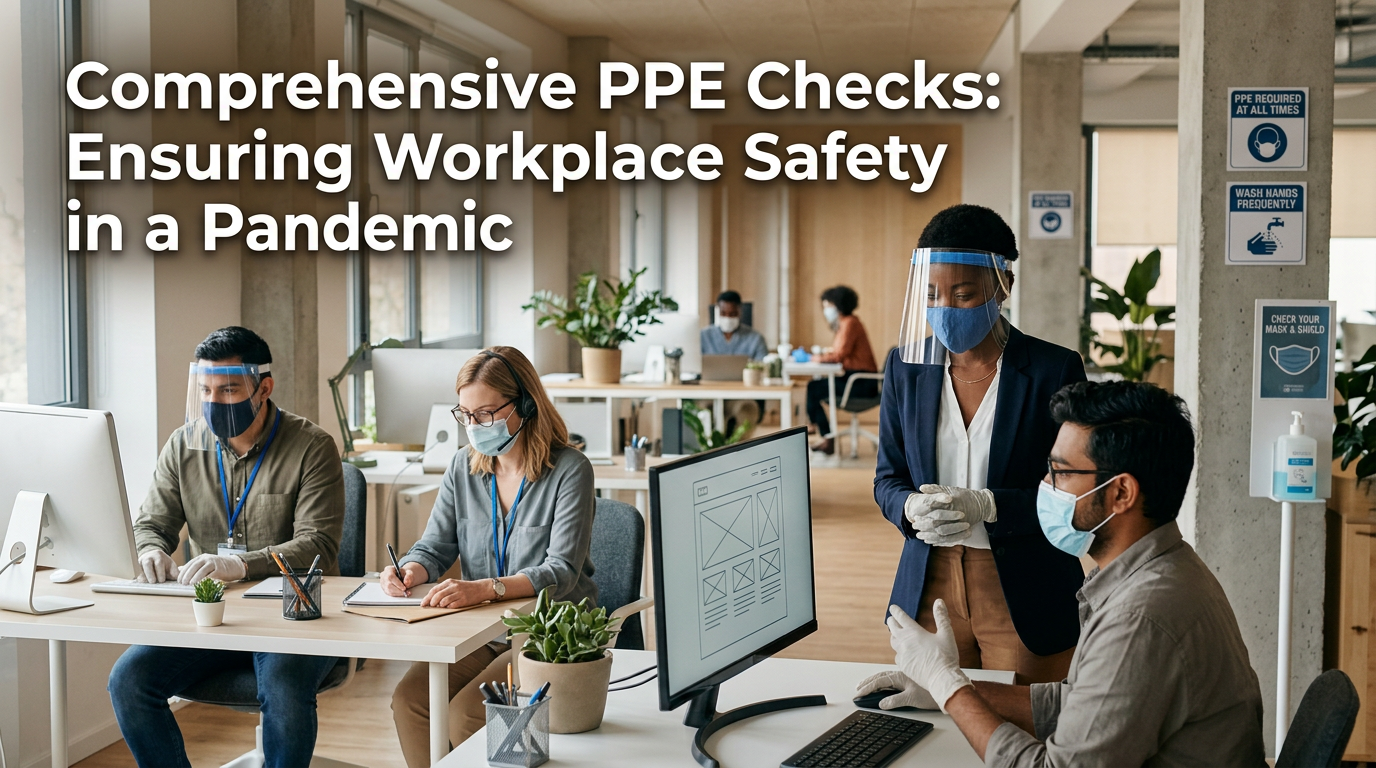
The global COVID-19 pandemic has underscored the critical importance of Personal Protective Equipment (PPE) in safeguarding workers across various industries. Whether in healthcare, manufacturing, or retail, PPE has become a frontline defense against the spread of infectious diseases. Comprehensive PPE checks are essential in ensuring not only compliance with safety standards but also the health and well-being of employees.
Understanding PPE and Its Varieties
PPE refers to protective clothing, helmets, goggles, or other garments designed to protect the wearer's body from injury or infection. The choice of PPE depends largely on the nature of the workplace hazard. Common types include masks, gloves, face shields, gowns, and respirators, each serving a specific purpose in risk mitigation.
Why Are Comprehensive PPE Checks Necessary?
Regular PPE checks are crucial for several reasons. They ensure that equipment is in good condition, fit for purpose, and provides the level of protection required. Faulty or inadequate PPE can lead to increased risk of exposure to hazards, leading to workplace incidents, legal liabilities, and a loss of trust among the workforce.
Step-by-Step Process of Conducting PPE Checks
Conducting comprehensive PPE checks involves a systematic approach to ensure that all equipment is functioning correctly and complies with industry standards. Here’s a detailed process:
Step 1: Inventory and Inspection
Begin with an inventory of all PPE available at the workplace. Inspect each item for physical damage, wear and tear, and ensure that it meets the specific needs of the task at hand. Pay close attention to items that have expiration dates, such as masks and respirators.
Step 2: Fit Testing and Adjustments
For PPE to be effective, it must fit the wearer properly. Conduct fit tests to ensure that respirators and masks form a proper seal, and make necessary adjustments or replacements. Proper fit enhances comfort, compliance, and ultimately, safety.
Step 3: Compliance Verification
Verify that all PPE complies with relevant local, national, and industry-specific regulations. This may involve checking certifications or consulting with safety officers to ensure that all standards are met.
Step 4: Training and Education
Ensure that all employees are trained in the correct use, maintenance, and disposal of PPE. Regular training sessions can address common issues such as improper use or storage, which can compromise PPE effectiveness.
Step 5: Regular Audits and Updates
Conduct regular audits to evaluate PPE status and effectiveness. Update inventory and practices based on audit findings and evolving safety standards, especially during a pandemic when guidelines can change rapidly.
Use Cases: PPE Checks Across Different Industries
Various industries have unique needs when it comes to PPE. Here are some examples of how PPE checks are implemented:
Healthcare Sector
In healthcare, PPE checks are vital to prevent disease transmission between patients and staff. Regular checks ensure that all equipment, such as surgical masks and gloves, are in optimal condition and that healthcare workers are protected.
Manufacturing and Construction
In these sectors, PPE such as hard hats, gloves, and protective eyewear are common. Comprehensive checks ensure that workers are protected from physical injuries and exposure to hazardous materials.
Retail and Customer Service
For frontline workers in retail, PPE checks ensure that masks and gloves are effective in minimizing virus spread, thereby protecting both employees and customers.
Measuring the Effectiveness of PPE Checks
Effectiveness can be measured through various criteria including compliance rates, incident reduction, and employee feedback. Regular monitoring and feedback loops are key to continuous improvement.
Compliance Rates
Track how often PPE checks are conducted and adherence to protocols. High compliance rates indicate a robust safety culture.
Incident Reduction
Analyze data on workplace incidents related to PPE failure. A decrease suggests improved safety outcomes due to effective checks.
Employee Feedback
Collect feedback from employees to gauge comfort and confidence in PPE provided. Satisfied employees are more likely to comply with safety practices.
Additional Considerations for Effective PPE Checks
As workplaces evolve, so too must the strategies for PPE management. Here are additional factors to consider:
Technological Integration
Incorporate technology such as PPE management software to track inventory and expiration dates automatically. This reduces human error and ensures timely replacements.
Supplier Relationships
Maintain strong relationships with PPE suppliers to ensure the continuous availability of high-quality equipment. Regular communication can also facilitate quick responses to emerging safety requirements.
Financial Considerations
While effective PPE checks are critical, they can also be costly. Allocate budget wisely to ensure that quality is not compromised and consider bulk purchasing for cost-efficiency.
Feedback and Continuous Improvement
Establish a feedback loop with employees to identify areas for improvement. Encourage a culture where safety concerns can be raised without fear of retribution.
- Implement anonymous surveys to gather honest feedback.
- Conduct regular safety meetings to discuss PPE performance.
- Involve employees in the selection process of PPE to ensure comfort and usability.
Conclusion
Comprehensive PPE checks are an indispensable component of workplace safety in a pandemic. They ensure that all protective equipment is functional, compliant, and correctly used, thereby safeguarding employee health and fostering a culture of safety. At 4A Labs, we understand the importance of these checks and offer tailored solutions to help businesses implement effective PPE protocols. By investing in thorough PPE checks, companies not only comply with safety standards but also demonstrate a commitment to their workforce's well-being. As industries continue to face challenges related to health and safety, prioritizing PPE checks remains a proactive measure that can significantly mitigate risks and enhance operational resilience.
The Role of Leadership in PPE Implementation
Leadership plays a pivotal role in the successful implementation and maintenance of PPE checks within organizations. It is crucial for leaders to set a standard of safety culture that emphasizes the importance of PPE in protecting not only individual workers but also the organization as a whole.
Leadership Commitment
Leaders must demonstrate a strong commitment to safety by prioritizing PPE checks in their agendas. This can involve allocating appropriate resources, including time and budget, to ensure that PPE checks are conducted regularly and thoroughly.
- Establish clear safety policies that mandate regular PPE checks.
- Communicate the importance of PPE to all employees.
- Lead by example by adhering to PPE protocols at all times.
Empowering Safety Officers
Safety officers, with the support of leadership, can drive the effectiveness of PPE checks by ensuring that all protocols are followed and any non-compliance is addressed promptly. Empowering these officers with the authority to enforce PPE standards is vital.
Providing additional training to safety officers ensures they are well-equipped to handle new challenges, including those presented by evolving health guidelines.
Customizing PPE Solutions for Business Needs
Different industries and businesses have unique requirements when it comes to PPE. Tailoring PPE solutions to fit specific business needs ensures maximum protection and compliance.
Industry-Specific Considerations
While basic PPE such as masks and gloves are commonly used across various industries, certain sectors may require specialized equipment. For instance, the chemical industry might need PPE that can withstand exposure to hazardous substances.
- Conduct a risk assessment to determine industry-specific PPE needs.
- Consult with PPE experts or suppliers to identify the most appropriate equipment.
Scalable PPE Solutions
As businesses grow, their PPE requirements may change. Implementing scalable PPE solutions can adapt to these changes seamlessly, ensuring ongoing safety.
Investing in flexible PPE management systems and maintaining a robust relationship with suppliers can facilitate this scalability.
Future Trends in PPE Checks
As technology and workplace dynamics evolve, so do the trends in PPE checks. Keeping abreast of these trends can ensure that businesses remain at the forefront of safety innovation.
Automation and AI in PPE Management
While an AI angle should not be forced, the integration of automated systems in PPE management cannot be overlooked. Automation can streamline inventory management, alerting when restocks are necessary and tracking compliance in real-time.
These systems can enhance the efficiency of PPE checks, allowing safety officers to focus on more critical tasks.
Sustainability in PPE
With increasing attention on environmental impact, sustainable PPE options are gaining traction. Businesses are exploring eco-friendly materials and reusable PPE options to reduce waste.
Implementing sustainability-focused policies in PPE procurement can align with corporate social responsibility goals while maintaining safety standards.
Conclusion: A Proactive Approach to Safety
By actively engaging with the latest trends and customizing PPE solutions to meet specific business needs, companies can ensure that their PPE checks are not only effective but also aligned with broader organizational goals. Comprehensive PPE checks remain a cornerstone of workplace safety, particularly in the face of ongoing global health challenges. Businesses that prioritize these checks stand to benefit from reduced incidents, enhanced employee trust, and a robust safety culture.