
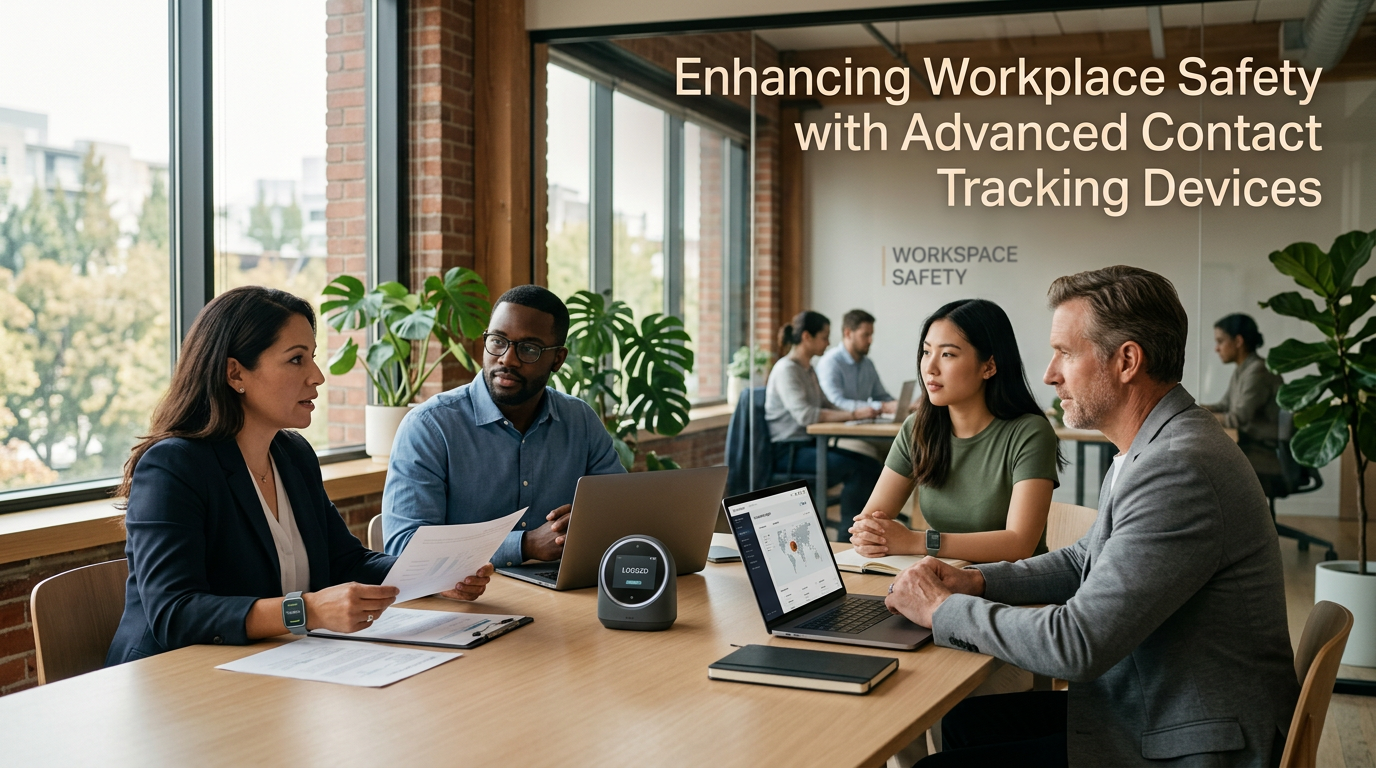
Introduction to Contact Tracking Devices
In today's fast-paced business environment, maintaining a safe workplace is paramount. Organizations are increasingly turning to innovative technologies to ensure the safety of their employees and optimize operations. Among these technologies, contact tracking devices have emerged as a powerful tool to enhance workplace safety. This blog explores how these devices contribute to a safer work environment, their business value, and practical applications in various industries.
Understanding Contact Tracking Devices
Contact tracking devices are small, portable gadgets that can be worn by employees to monitor and record their interactions within the workplace. These devices use technologies like Bluetooth, RFID, or ultra-wideband to determine proximity between individuals. By collecting data on interactions, businesses can analyze and mitigate potential safety risks proactively.
Key Features of Contact Tracking Devices
- Real-time Proximity Alerts: Devices alert users when they are too close to maintain social distancing, helping prevent the spread of contagious diseases.
- Data Analytics: Gather data on high-traffic areas and interaction patterns to identify potential risks and bottlenecks.
- Scalability: Easily deployable in small teams or across large organizations.
- Privacy Considerations: Designed to protect user privacy by anonymizing data and ensuring it is only used for safety purposes.
Business Value of Contact Tracking Devices
Investing in contact tracking devices offers significant business value by not only enhancing workplace safety but also improving operational efficiency. Here are some key benefits:
Improved Risk Management
By monitoring interactions and proximity, companies can quickly identify potential exposure events and implement control measures. This proactive approach reduces the likelihood of workplace incidents and associated costs.
Enhanced Employee Confidence
When employees know that their safety is prioritized through the use of advanced technologies, it boosts their confidence and morale. A safe workplace is more likely to retain talent and increase productivity.
Regulatory Compliance
Contact tracking devices can assist organizations in meeting regulatory requirements regarding workplace safety and health. Adhering to regulations not only avoids legal penalties but also enhances the company's reputation.
Use Cases Across Industries
Contact tracking devices are versatile and can be applied across various industries to enhance safety. Here are some notable examples:
Manufacturing
In manufacturing plants, where employees often work in close proximity, contact tracking devices can monitor interactions to prevent accidents and manage shift transitions smoothly.
Healthcare
In the healthcare sector, these devices can help track interactions among staff and patients, reducing the risk of hospital-acquired infections and ensuring timely quarantine measures when necessary.
Construction
On construction sites, where safety is critical, these devices can monitor worker proximity to hazardous zones, reducing accidents and improving compliance with safety protocols.
Corporate Offices
In corporate environments, contact tracking can help manage office space utilization and ventilation needs based on real-time data, enhancing overall workplace safety.
Implementing Contact Tracking Devices
Adopting contact tracking devices requires a structured approach to ensure successful implementation and maximum benefit. Here's a step-by-step guide:
Step 1: Needs Assessment
Evaluate the specific safety challenges and needs of your workplace. Identify areas where contact tracking devices can add the most value.
Step 2: Device Selection
Choose devices that best suit your operational environment and desired features, such as real-time alerts and data analytics capabilities.
Step 3: Pilot Testing
Conduct a pilot program to test the devices in a controlled environment. Gather feedback from participants and make necessary adjustments.
Step 4: Full-Scale Deployment
Implement the technology across the organization, ensuring that all employees are trained on how to use the devices effectively.
Step 5: Continuous Monitoring and Feedback
Regularly review data generated from the devices to identify trends and continuously improve safety measures. Encourage employee feedback for ongoing enhancements.
Measuring the Impact of Contact Tracking Devices
To ensure that contact tracking devices are delivering on their promises, it is essential to measure their impact. Here are some criteria to consider:
Reduction in Incident Rates
Analyze whether the adoption of contact tracking devices has led to a decrease in workplace incidents and near misses.
Employee Feedback
Solicit feedback from employees on their sense of safety and comfort after the implementation of tracking devices.
Data-Driven Insights
Examine the data collected for actionable insights into safety improvements and process optimizations.
Considerations for Successful Integration
While implementing contact tracking devices, it's crucial to consider certain factors to ensure smooth integration and employee acceptance:
- Employee Training: Provide comprehensive training sessions to ensure employees understand how to use the devices and the benefits they offer.
- Communication: Clearly communicate the purpose and advantages of the devices to alleviate any concerns regarding privacy or surveillance.
- Data Privacy: Implement robust data protection measures to secure information and maintain privacy standards.
Success Story: TechCorp
TechCorp, a leading technology firm, successfully implemented contact tracking devices across its global office locations. By using these devices, TechCorp reported a 30% reduction in workplace incidents and a significant improvement in employee satisfaction and productivity. This success was attributed to their robust training programs and transparent communication strategies.
Future Trends in Contact Tracking Devices
With advancements in technology, contact tracking devices are expected to evolve further. Future trends may include:
- Integration with IoT: Seamless integration with Internet of Things (IoT) devices for enhanced data collection and automation.
- Artificial Intelligence: Using AI algorithms for predictive analysis and proactive safety measures.
- Wearable Innovations: Development of more comfortable and discreet wearable devices to increase user adoption.
Conclusion
Contact tracking devices represent a significant advancement in workplace safety technology, offering businesses a proactive tool to manage and mitigate risks. By investing in these devices, companies can not only enhance their safety protocols but also realize improvements in employee morale and operational efficiency. As different industries continue to adapt and evolve their safety measures, the role of contact tracking devices will remain pivotal in ensuring a safe and productive work environment. Embracing this technology today can lead to a safer, more efficient tomorrow for businesses across the globe.
Customization and Adaptability of Contact Tracking Devices
One of the significant advantages of contact tracking devices is their customization and adaptability to specific business needs. Companies can tailor these devices to address unique organizational challenges and safety requirements, enhancing their effectiveness.
Tailored Solutions for Diverse Environments
Different industries have different safety requirements, and contact tracking devices can be adapted to meet these specific needs. For example, in a manufacturing facility, the devices can be configured to alert for proximity to hazardous machinery, while in a corporate office, they might focus on monitoring social distancing during meetings.
Integration with Existing Systems
To maximize the benefits of contact tracking devices, businesses can integrate them with existing safety management systems. This integration can streamline data collection and analysis, providing a more comprehensive view of workplace safety metrics.
Cost-Benefit Analysis of Contact Tracking Devices
While the initial investment in contact tracking devices may seem considerable, a detailed cost-benefit analysis often reveals substantial long-term savings and value. Businesses should evaluate both the direct and indirect benefits to justify their investment.
- Reduced Workplace Incidents: By proactively managing safety risks, companies can significantly reduce incidents, leading to lower medical and legal costs.
- Increased Productivity: Safer work environments contribute to higher employee productivity, as workers can focus on tasks without safety concerns.
- Insurance Premium Reductions: Demonstrating improved safety through these devices may lead to lower insurance premiums, providing direct financial savings.
Global Case Studies and Insights
Examining successful implementations worldwide can offer valuable insights into the versatile applications and benefits of contact tracking devices.
Case Study: Global Manufacturing Leader
A leading global manufacturing company implemented contact tracking devices to manage employee interactions and ensure compliance with safety regulations. As a result, they achieved a 40% reduction in workplace incidents, demonstrating the significant impact of these devices on safety and operational efficiency.
Case Study: Healthcare Facility
In a large healthcare facility, contact tracking devices were used to monitor interactions between healthcare workers and patients. This implementation led to a 20% decrease in the spread of hospital-acquired infections, showcasing the critical role these devices play in maintaining health safety standards.
Choosing the Right Partner for Implementation
Selecting the right partner for implementing contact tracking devices is crucial for success. Companies should consider the following factors when choosing a provider:
- Reputation and Experience: Choose a provider with a proven track record in delivering successful contact tracking solutions across industries.
- Technical Support: Ensure the provider offers robust technical support and after-sales service to address any challenges during implementation.
- Customization Capabilities: Opt for a provider that can tailor solutions to fit the specific safety needs of your organization.
By carefully selecting the right partner, businesses can ensure a seamless implementation process, maximizing the benefits of contact tracking devices and enhancing workplace safety effectively.