
Introduction
In the realm of public health, rapid and accurate disease tracking is crucial for effective prevention and control measures. With the evolution of technology, innovative solutions like the inContact Disease Tracking and Control System have emerged, setting new standards in the field of public health safety. This system is not just a tool but a comprehensive approach to understanding, addressing, and mitigating health crises in real-time.
The Importance of Disease Tracking
Before diving into the specifics of inContact systems, it's essential to understand the critical role disease tracking plays in public health. Real-time data collection and analysis are fundamental in identifying outbreaks, understanding transmission patterns, and implementing timely interventions. Efficient disease tracking can significantly reduce the impact of epidemics by enabling health authorities to respond swiftly and effectively.
Introducing inContact Disease Tracking System
The inContact Disease Tracking and Control System is a sophisticated platform designed to streamline the tracking, monitoring, and management of diseases. Developed by experts in public health and technology, this system integrates multiple functionalities to provide comprehensive solutions for health departments, hospitals, and governmental agencies.
Key Features and Benefits
One of the standout features of the inContact system is its real-time data integration capability. By aggregating data from various sources, including hospitals, clinics, and laboratories, the system provides an up-to-the-minute overview of the disease landscape. This feature is vital for identifying emerging threats and responding to them before they escalate.
In addition to real-time tracking, the inContact system offers advanced analytics tools powered by cutting-edge algorithms. These tools enable health professionals to predict disease trends, understand risk factors, and develop targeted intervention strategies. By transforming raw data into actionable insights, the system empowers decision-makers to implement evidence-based solutions swiftly.
Additional Features
The system's versatility extends to several other features:
- Custom Alerts: Users can set custom alerts to notify them of specific changes in data, allowing for quicker responses to potential outbreaks.
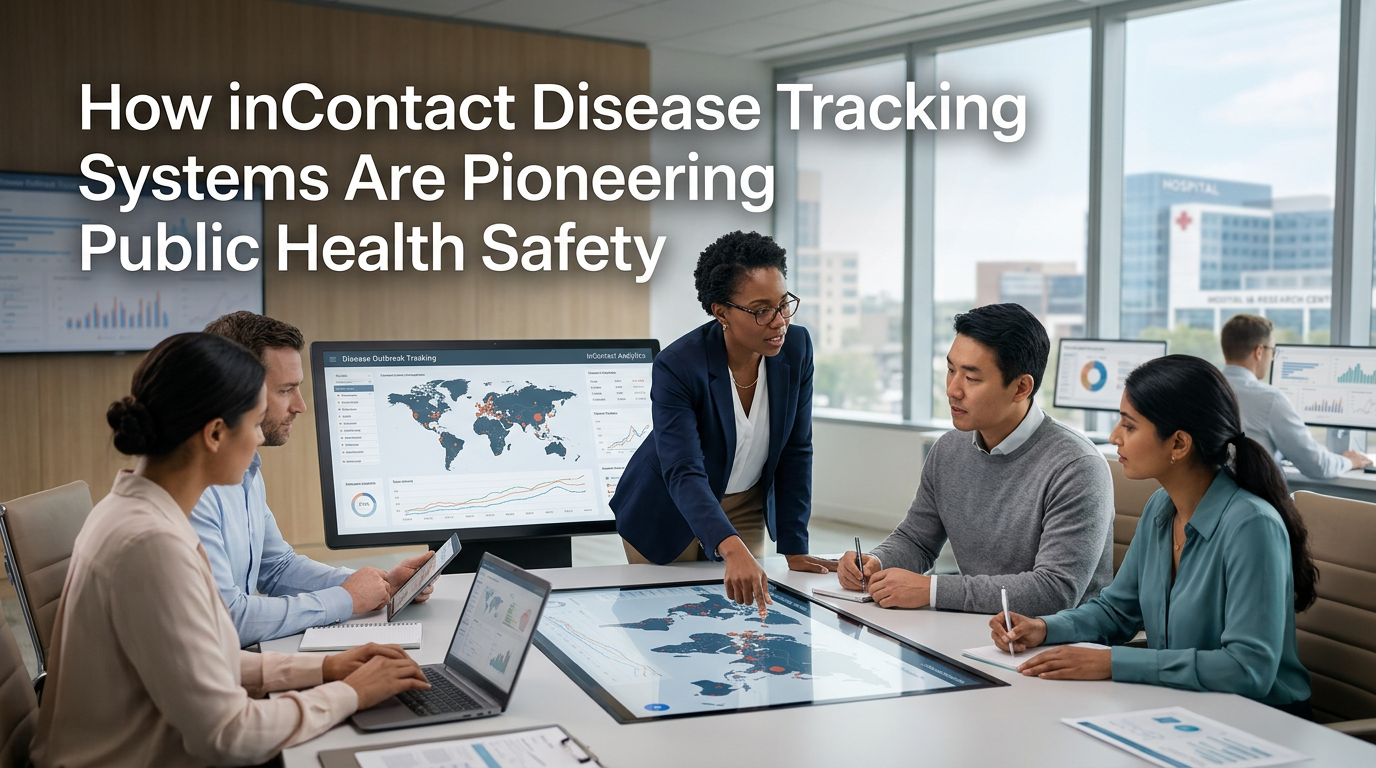
- Data Visualization: Intuitive dashboards and graphical representations make data interpretation more accessible, helping users identify trends and patterns at a glance.
- Interoperability: The system can seamlessly integrate with existing health information systems, making it adaptable to various organizational needs.
Ease of Use and Accessibility
One of the design priorities for the inContact Disease Tracking and Control System was user-friendliness. The interface is intuitive, ensuring that even those with limited technical expertise can navigate the system effectively. Furthermore, the platform is accessible on multiple devices, including smartphones and tablets, allowing users to monitor and manage disease data on the go.
Training and Support
To ensure optimal utilization of the system, comprehensive training programs are available for all users. These programs cover the basics of system operation, data interpretation, and advanced features, equipping health professionals with the skills needed to leverage the system fully.
Enhancing Collaboration
Another significant advantage of the inContact system is its ability to foster collaboration across different sectors. Health departments can share data and insights with governmental agencies, research institutions, and international health organizations. This collaborative framework is crucial for coordinating efforts, especially during cross-border health threats, ensuring a unified approach to disease control.
Global Networking
By connecting health agencies worldwide, the inContact system creates a global network of information sharing. This network helps in recognizing global patterns and coordinating international responses to emerging health threats.
Case Studies: Impact in the Real World
Several regions have already adopted the inContact Disease Tracking and Control System, and the results have been remarkable. In Southeast Asia, for example, the system was instrumental in controlling a dengue fever outbreak. By providing real-time updates and predictive analytics, health authorities could deploy resources efficiently, leading to a significant reduction in case numbers.
Similarly, during the COVID-19 pandemic, the system was used to monitor infection rates, manage quarantine facilities, and track vaccination efforts. The insights gained from the inContact system helped shape public health strategies, minimizing the virus's impact on communities.
Future Potential
The adaptability of the inContact system suggests a promising future for its use in various public health scenarios. As more regions adopt this technology, the potential for reducing the impact of future pandemics and epidemics increases significantly.
4A Labs' Role in Advancing Disease Tracking Solutions
4A Labs, with its expertise in digital solutions and software development, plays a crucial role in enhancing and supporting the implementation of the inContact Disease Tracking and Control System. By providing custom integrations, technical support, and ongoing updates, 4A Labs ensures that health organizations can maximize the system's potential. This partnership highlights the importance of collaboration between health professionals and tech experts in addressing public health challenges.
Innovative Collaborations
The partnership between 4A Labs and health organizations underscores the benefits of integrating technological innovation with public health initiatives. Such collaborations foster the development of robust systems capable of handling complex health crises efficiently.
Conclusion
The inContact Disease Tracking and Control System represents a significant advancement in public health safety. By offering real-time data integration, advanced analytics, and a collaborative framework, it empowers health authorities to respond to disease threats with unprecedented precision and speed. As we continue to face new health challenges, systems like inContact are invaluable tools in safeguarding communities worldwide. For organizations looking to enhance their disease control capabilities, partnering with experts like 4A Labs can ensure the successful implementation and operation of such groundbreaking systems.
Integration with Emerging Technologies
As technology continues to evolve, the inContact Disease Tracking and Control System is poised to integrate with emerging technologies such as artificial intelligence (AI) and machine learning (ML). These technologies can enhance the system's predictive capabilities, allowing for even more precise forecasting of disease trends. By leveraging AI and ML, the inContact system could automate routine data analysis, freeing up valuable time for health professionals to focus on strategic decision-making.
Blockchain for Data Security
Data security is paramount in disease tracking, and the inContact system is exploring the integration of blockchain technology to enhance data integrity and security. Blockchain can provide a decentralized and tamper-proof ledger, ensuring that sensitive health data remains secure and that any changes to data can be tracked transparently. This addition would not only protect patient information but also increase trust among users, facilitating broader adoption of the system.
Scalability and Customization
The inContact system's modular architecture allows for scalability and customization, making it suitable for organizations of all sizes. Whether for a small local health department or a large international health organization, the system can be tailored to meet specific needs. Its flexible design ensures that as an organization's requirements grow, the system can expand to accommodate additional users, data sources, and functionalities without compromising performance.
Tailored Solutions for Diverse Needs
Customization options allow health authorities to configure the inContact system specifically for their operational contexts. This means prioritizing certain data sources, customizing alerts, or integrating additional modules, thereby optimizing the system's effectiveness for specific public health challenges.
Community Engagement and Awareness
Public health is not just about tracking diseases but also about engaging communities and raising awareness. The inContact system's capabilities extend to public engagement, offering tools for disseminating information to the public efficiently. By utilizing social media integration and automated notifications, health organizations can keep communities informed and engaged, promoting public health awareness and encouraging preventive measures.
Feedback Loops with the Community
Incorporating feedback mechanisms into the inContact system allows health authorities to collect and analyze community feedback, ensuring that public health strategies are aligned with community needs and concerns. This two-way communication can enhance trust and cooperation between health authorities and the public, leading to more effective disease control efforts.
Investment in Training and Capacity Building
For the inContact Disease Tracking and Control System to achieve its full potential, continuous investment in training and capacity building is essential. Health professionals need to be equipped with the necessary skills to use the system effectively, and ongoing training ensures that users are up-to-date with the latest features and best practices. 4A Labs offers a comprehensive suite of training programs, from beginner to advanced levels, ensuring that all users can fully leverage the system's capabilities.
Workshops and Collaborative Learning
Interactive workshops and collaborative learning sessions are integral to the training programs offered by 4A Labs. These sessions provide opportunities for health professionals to share experiences, discuss challenges, and explore innovative solutions, fostering a community of practice that enhances the overall effectiveness of the inContact system.