
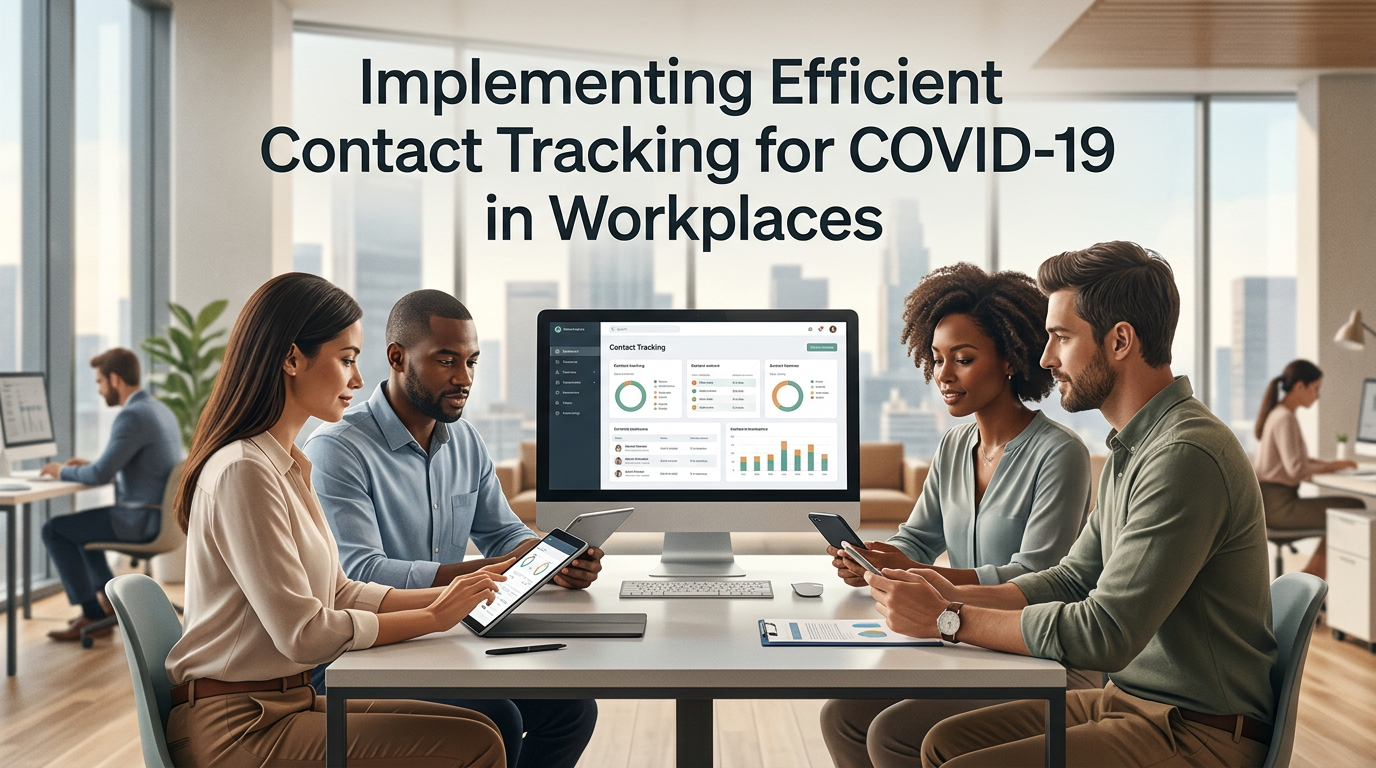
Introduction to Contact Tracking in Workplaces
As businesses continue to navigate the complexities of operating amidst a pandemic, effective contact tracking for COVID-19 has emerged as a crucial strategy to ensure workplace safety and business continuity. With varying government regulations and evolving pandemic dynamics, implementing a robust contact tracking system is essential for minimizing disruptions and maintaining employee health.
Why Contact Tracking is Essential
Contact tracking, a process to identify and monitor individuals who have been exposed to a contagious disease, helps in breaking the chain of transmission. In the context of COVID-19, it allows businesses to quickly respond to cases of infection, reducing the spread among employees and customers. By leveraging technology, companies can efficiently identify exposures and act swiftly to prevent further infections.
The Business Value of Contact Tracking
Implementing contact tracking provides significant business value by ensuring continuity and reducing the risk of operational shutdowns. Furthermore, it fosters a safe working environment, boosting employee confidence and morale. A proactive approach to health safety also enhances a company's reputation, demonstrating a commitment to employee welfare and public health.
Steps to Implement Efficient Contact Tracking
Implementing an efficient contact tracking system involves several critical steps:
1. Assess Workplace Layout and Dynamics
Begin by understanding the specific layout and dynamics of your workplace. Identify high-traffic areas where interactions are more frequent and assess the potential for contact exposure. This understanding will guide the deployment of tracking technologies and protocols.
2. Choose the Right Technology
Selecting the appropriate technology is critical. Various solutions, from mobile apps to wearable devices, are available to suit different workplace needs. Consider factors such as ease of use, accuracy, data privacy, and integration capabilities when choosing a solution.
3. Develop Clear Policies and Protocols
Establish clear policies and protocols outlining the procedures for contact tracking. This includes defining roles and responsibilities, communication strategies, and response mechanisms for positive cases. Ensure these protocols are aligned with local health regulations and guidelines.
4. Train Employees
Conduct comprehensive training sessions to educate employees about the importance of contact tracking and how to use the chosen technology effectively. Clear communication and training are essential for gaining employee buy-in and ensuring adherence to protocols.
5. Integrate Data Analysis
Leverage data analysis to gain insights into contact patterns and potential exposure risks. Effective data management and analysis help in making informed decisions, optimizing response strategies, and continuously improving the system.
Use Cases of Contact Tracking in Different Industries
Contact tracking systems can be tailored to fit the unique needs of various industries:
Manufacturing
In a manufacturing setup, where employees work in close proximity, contact tracking helps in swiftly identifying exposure events and isolating affected areas to prevent widespread transmission.
Retail
For retail businesses, tracking systems monitor interactions between staff and customers, enabling quick identification of potential exposures and ensuring timely responses to protect both employees and patrons.
Corporate Offices
In corporate environments, contact tracking facilitates the management of shared spaces and meeting rooms, ensuring timely isolation of infected individuals and reducing the risk of an outbreak.
Education
Educational institutions can apply contact tracking to monitor student and staff interactions, ensuring safe learning environments and continuity in education during outbreaks.
Technology Options for Contact Tracking
The choice of technology plays a crucial role in the effectiveness of a contact tracking system. Here are some options:
- Mobile Applications: These apps can utilize Bluetooth technology to identify close contacts and send alerts regarding potential exposure.
- Wearable Devices: Devices like wristbands or badges can effectively track interactions without the need for smartphones, suitable for industries where phone use is restricted.
- QR Code Systems: Employees can scan QR codes placed at different locations to record their presence, aiding in manual contact tracing efforts.
- Cloud-based Platforms: These platforms integrate data from various sources, offering real-time analysis and insights for timely decision making.
Measuring the Effectiveness of Contact Tracking
Effectiveness can be measured through several criteria:
Response Time
The speed at which potential exposures are identified and addressed is a key metric. Faster response times indicate a more effective system.
Adherence Rates
The percentage of employees actively using the contact tracking system reflects its acceptance and usability, highlighting areas for improvement if adherence is low.
Reduction in Infection Rates
Comparing infection rates before and after implementation provides insights into the system's impact on controlling virus spread within the workplace.
Employee Feedback
Regularly gathering feedback from employees can provide insights into the system's efficiency and areas needing improvement, as well as overall employee satisfaction.
Challenges in Implementing Contact Tracking
Despite its benefits, deploying contact tracking systems can present challenges:
- Privacy Concerns: Employees may have concerns about how their data is used and stored. Clear communication about data privacy policies is essential.
- Technology Adoption: Ensuring that all employees use and understand the technology can be difficult, requiring ongoing training and support.
- Integration with Existing Systems: The chosen solution must seamlessly integrate with existing workplace systems to avoid disruptions.
- Cost: Implementing a comprehensive system can be costly, and businesses must weigh these costs against potential benefits.
Conclusion
Implementing efficient contact tracking for COVID-19 in workplaces is not only a public health imperative but also a strategic business move. By ensuring employee safety and minimizing operational disruptions, businesses can navigate the challenges of the pandemic more effectively. Leveraging the right technologies and protocols tailored to industry-specific needs will enable organizations to maintain continuity and protect their workforce. Ultimately, businesses that prioritize health and safety can build trust with their employees and stakeholders, positioning themselves for long-term success in a post-pandemic world.
Legal and Regulatory Considerations
When implementing a contact tracking system, it's essential for businesses to consider the legal and regulatory environment. Compliance with local, national, and international laws regarding data privacy and employee rights is crucial. Understanding regulations such as the General Data Protection Regulation (GDPR) in Europe or the Health Insurance Portability and Accountability Act (HIPAA) in the United States can guide the development of compliant policies.
Data Privacy
Protecting employee data is paramount. Businesses must ensure that the data collected is limited to what is necessary for tracking purposes and is stored securely. Transparency with employees about how their data will be used, who will have access, and how long it will be retained is essential for maintaining trust.
Employee Consent
Obtaining informed consent from employees is a legal requirement in many jurisdictions. This involves explaining the purpose of data collection, how the contact tracking will work, and any potential risks. Employees should have the option to withdraw consent without facing negative repercussions.
Future Trends in Contact Tracking
The evolution of contact tracking is likely to continue as technology advances and workplace needs change. Anticipating future trends can help businesses stay ahead and adapt to new challenges:
- Integration with Health Monitoring Tools: Future systems may integrate contact tracking with health monitoring tools to provide a more comprehensive approach to managing workplace health.
- AI and Machine Learning: These technologies could enhance data analysis, providing deeper insights into contact patterns and potential outbreak predictions, enabling more proactive health management.
- Increased Automation: Automation in data collection and analysis could reduce the administrative burden on HR and health teams, allowing for more streamlined operations.
- Enhanced User Interfaces: Advancements in user interfaces could make contact tracking tools more intuitive and user-friendly, increasing adoption and engagement among employees.
Best Practices for Communication and Engagement
Effective communication is key to the successful implementation of a contact tracking system. Engaging employees and stakeholders through clear communication strategies will promote trust and cooperation.
Regular Updates
Keep employees informed about any changes or updates to the contact tracking system. Regular communication ensures everyone is aware of current protocols and understands their roles in maintaining workplace safety.
Feedback Mechanisms
Establish channels for employees to provide feedback on the contact tracking system. This feedback is invaluable for identifying issues and making improvements, ensuring the system remains effective and user-friendly.
Promoting a Safety-First Culture
Fostering a culture that prioritizes safety and health helps reinforce the importance of contact tracking. Recognize and reward employees who actively participate in safety initiatives, creating a positive environment that encourages compliance.
By addressing these various aspects, businesses can effectively implement a contact tracking system that not only meets regulatory requirements but also enhances workplace safety and operational efficiency. With a focus on privacy, future trends, and robust communication, companies can navigate the complexities of the pandemic while safeguarding their most valuable asset: their people.