
Introduction
In the wake of global health challenges, businesses and governments alike have sought innovative solutions to manage public health crises. One such solution that has gained prominence is the use of proximity devices for contact tracing. These devices are designed to efficiently track interactions and help mitigate the spread of infectious diseases. As a full-service digital agency specializing in technological advancements, 4A Labs is at the forefront of deploying such effective solutions to enhance public health safety.
The Business Value of Proximity Devices
Proximity devices offer a significant business advantage by providing a reliable method to track and trace contacts in crowded environments such as workplaces, educational institutions, and public venues. These devices function by using Bluetooth or other wireless technologies to record close interactions between individuals. This data is crucial for quickly identifying and alerting those who may have been exposed to an infectious disease, thereby curbing potential outbreaks.
From a commercial perspective, the implementation of proximity devices can help businesses maintain operational continuity. By ensuring rapid response capabilities, companies can prevent widespread contamination among employees or customers, thereby reducing the risk of shutdowns and financial losses. Additionally, businesses that prioritize health and safety measures like contact tracing are likely to enhance their brand reputation, fostering trust and loyalty among consumers and stakeholders.
How Proximity Devices Work
Proximity devices for contact tracing typically operate on the principle of detecting other devices within a specified range, usually using Bluetooth technology. When two devices come within close proximity, they exchange encrypted codes, which are stored securely. If an individual is later diagnosed with an infectious disease, health authorities can use the stored data to identify and notify others who have been in close contact with the infected person, recommending testing or quarantine as necessary.
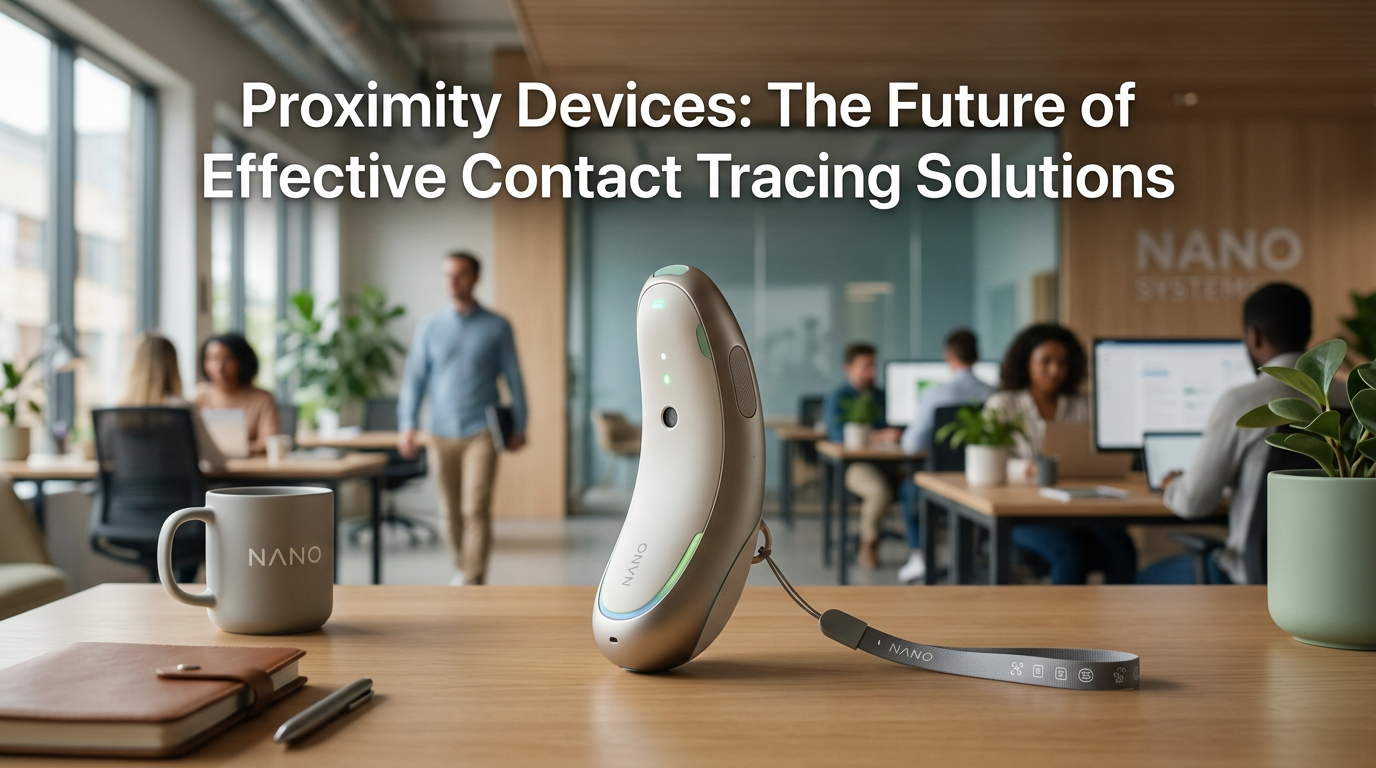
These devices can be worn as badges, wristbands, or integrated into smartphones, making them versatile and easy to use across various settings. Importantly, the data collected through these devices can be anonymized to protect user privacy, ensuring that personal information is not disclosed without consent. Here’s a step-by-step breakdown of the process:
- Detection: Proximity devices detect other devices within a certain range using Bluetooth.
- Code Exchange: Devices exchange encrypted codes when they come into close contact.
- Data Storage: The exchanged codes are stored securely on the device.
- Diagnosis and Notification: If a user tests positive, health authorities access the encrypted data to notify other individuals who had close contact.
- Recommendations: Those notified may be advised to get tested or self-isolate.
4A Labs: Leading the Charge in Contact Tracing Solutions
4A Labs has developed a robust proximity device solution tailored to meet the needs of diverse business environments. Our advanced technology ensures accurate contact tracing while adhering to stringent privacy standards. We understand that each organization has unique requirements, and our team of experts works closely with clients to customize solutions that best fit their operational contexts.
Our proximity devices are designed for seamless integration into existing systems, ensuring minimal disruption to daily operations. Additionally, we provide comprehensive support and training to ensure that all users are equipped to utilize the technology effectively. By choosing 4A Labs as your contact tracing partner, you gain access to cutting-edge technology backed by a team committed to helping your organization navigate public health challenges successfully.
Customization and Integration
4A Labs’ proximity devices are customizable to suit various business needs. Whether it's a corporate office, manufacturing unit, or educational institution, our devices can be tailored to provide optimal functionality. Key features include:
- Seamless Integration: Our devices easily integrate with existing systems and infrastructure.
- Custom Alerts: Customize alerts based on proximity and duration of contact.
- Scalability: Solutions that grow with your business needs.
- Training and Support: Comprehensive onboarding and ongoing support systems.
Overcoming Challenges with Proximity Devices
While proximity devices offer numerous benefits, there are challenges that organizations may face in their implementation. One common concern is the balance between effective contact tracing and user privacy. At 4A Labs, we address this by employing encryption and anonymization techniques that protect individual data while enabling efficient tracing.
Another challenge is user compliance, as the effectiveness of contact tracing depends on widespread adoption. To overcome this, businesses can engage in education and awareness campaigns that highlight the importance of these devices in safeguarding public health. Furthermore, offering incentives or integrating contact tracing with essential business functions can increase user engagement. Here are strategies to boost compliance:
- Incentivize Participation: Offer rewards or recognition for active use of contact tracing devices.
- Educational Campaigns: Educate employees on the importance and benefits of contact tracing.
- Clear Communication: Ensure transparent communication about data usage and privacy measures.
- Feedback Mechanisms: Implement systems for users to provide feedback or report issues.
Future Prospects of Proximity Devices in Contact Tracing
As technology continues to evolve, so too will the capabilities of proximity devices. Future developments may include enhanced data analytics that provide deeper insights into interaction patterns, enabling more proactive health interventions. Additionally, integration with other smart technologies and platforms can create a more comprehensive ecosystem for managing public health.
Potential Developments
- Advanced Analytics: Improved data analytics to identify and predict potential outbreak hotspots.
- IoT Integration: Integrating contact tracing with IoT devices for real-time monitoring and alerts.
- Cross-Platform Compatibility: Ensuring devices work across different systems and regions for more comprehensive coverage.
- AI and Machine Learning: Use of AI to provide predictive analytics and more accurate contact tracing.
Conclusion
In conclusion, proximity devices represent a vital component of modern contact tracing efforts. By leveraging these tools, businesses and governments can enhance their response to public health crises, ensuring the safety and well-being of communities. At 4A Labs, we are committed to driving innovation in this space, supporting organizations in their efforts to create safer environments for all. As we look to the future, the integration of emerging technologies will further enhance the effectiveness and efficiency of proximity devices, making them an indispensable tool in public health management.
Case Studies: Success Stories with Proximity Devices
Real-world examples demonstrate the effectiveness of proximity devices in various sectors. Companies and institutions that have implemented these devices often report significant benefits in managing health crises and maintaining operational stability. Let's explore some success stories:
Corporate Sector
A multinational corporation with a global workforce integrated proximity devices to manage employee health during a recent outbreak. By utilizing these devices, the company was able to quickly identify and isolate potential exposure incidents, drastically reducing transmission rates. This proactive approach resulted in minimal disruption to their operations and instilled confidence among employees, who felt safer returning to the workplace.
Educational Institutions
Several universities have adopted proximity devices to monitor student interactions on campus. These institutions found that the devices not only helped in managing outbreaks but also facilitated a smoother transition to hybrid learning models. By ensuring that any exposure was rapidly identified and contained, universities were able to maintain in-person classes with reduced fear of widespread contagion.
Public Venues
In the entertainment industry, major event organizers have successfully implemented proximity devices during large gatherings, such as concerts and sports events. These devices enabled organizers to monitor attendance and manage crowd flow effectively, ensuring compliance with health guidelines. Attendees received timely notifications if they were exposed to a potential risk, thereby enhancing the overall safety of the event.
Enhancing User Experience with Proximity Devices
User experience is a critical factor in the adoption and effectiveness of proximity devices. To ensure widespread acceptance, it's essential to focus on design and functionality that prioritize user comfort and ease of use. Here are some strategies to enhance user experience:
- Intuitive Design: Proximity devices should be designed with a user-friendly interface and simple navigation to encourage regular use.
- Comfortable Wearables: Devices like wristbands or badges should be lightweight and unobtrusive, allowing users to wear them comfortably throughout their daily activities.
- Clear Notifications: Ensure that alerts and notifications are clear, concise, and actionable, providing users with straightforward instructions on next steps.
- Customization Options: Offering users the ability to customize certain settings, such as notification preferences, can enhance engagement and satisfaction.
Conclusion: A Collaborative Effort
The successful deployment of proximity devices relies not only on technological innovation but also on collaboration among businesses, governments, and the public. By working together, stakeholders can ensure that these devices are implemented effectively, with strong focus on privacy, user engagement, and continuous improvement.
As we continue to face global health challenges, proximity devices will remain a critical tool in our collective toolbox. By committing to ongoing research, development, and user education, we can harness the full potential of these devices to create safer environments for everyone.