
Introduction
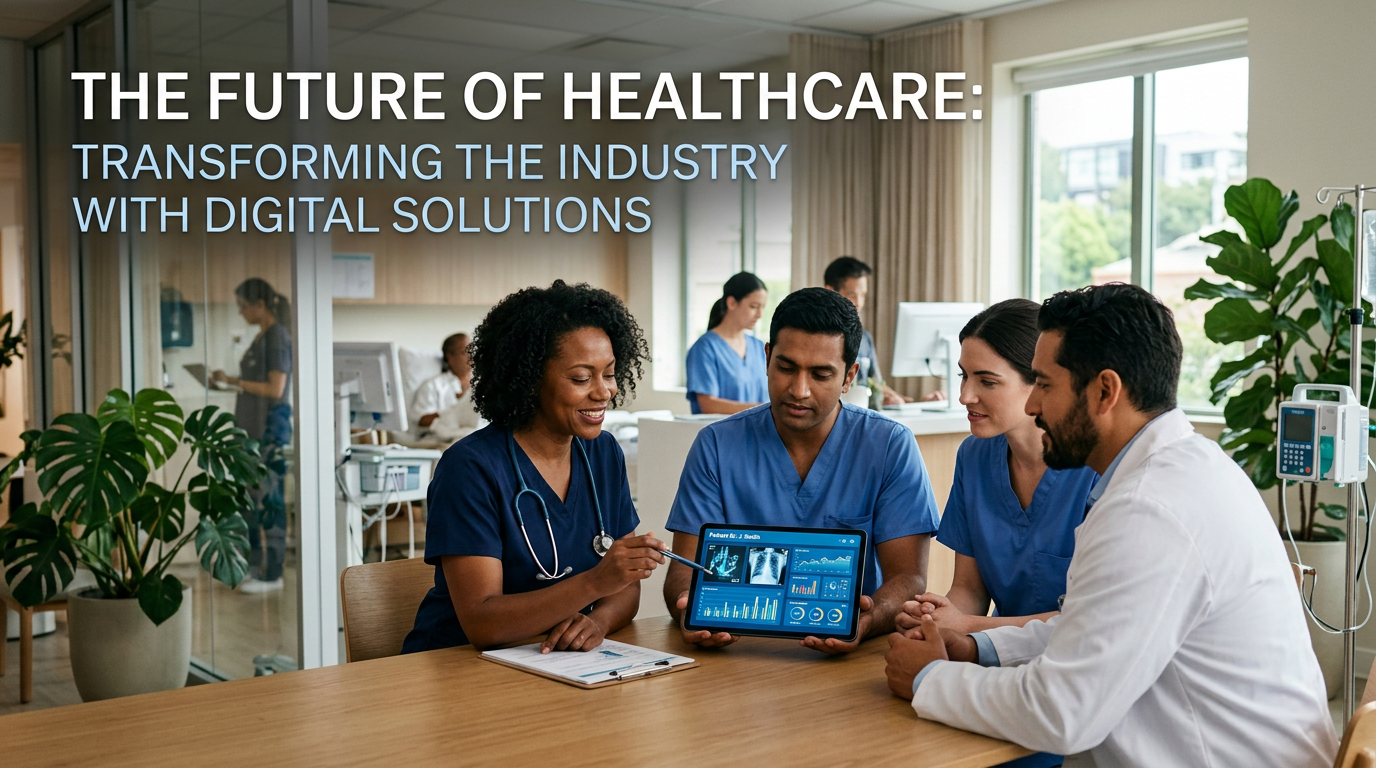
The healthcare industry is undergoing a profound transformation driven by digital solutions. These innovations are not only enhancing patient care but also streamlining operations, reducing costs, and making healthcare more accessible. As technology continues to advance, the potential for digital solutions to reshape healthcare is immense. In this article, we will explore the various ways digital solutions are revolutionizing the healthcare industry, focusing on their business value and commercial benefits.
Telemedicine: Bridging the Gap
One of the most notable digital solutions in healthcare is telemedicine. By enabling virtual consultations, telemedicine is breaking down geographical barriers and making healthcare more accessible to patients in remote areas. This has led to a significant increase in patient engagement and satisfaction. Healthcare providers can now offer their services to a broader audience, increasing their revenue streams. Moreover, telemedicine reduces the need for in-person visits, saving time and resources for both patients and providers.
Benefits of Telemedicine
- Increased Accessibility: Patients in remote or underserved areas can access quality healthcare without the need for travel.
- Cost-Efficiency: Reduces travel expenses and time off work for patients; decreases overhead costs for healthcare facilities.
- Enhanced Patient Engagement: Regular follow-ups and ease of access improve patient compliance and satisfaction.
Case Study: Telemedicine Success
Consider the case of a rural hospital that implemented a telemedicine program. Within the first year, they saw a 30% increase in patient consultations without a corresponding increase in physical infrastructure costs. This expansion enabled the hospital to serve more patients while maintaining high standards of care.
Electronic Health Records (EHR): Enhancing Data Management
Electronic Health Records (EHR) systems have revolutionized the way patient data is managed. By digitizing medical records, healthcare providers can access patient information instantly, leading to more informed decision-making and improved patient outcomes. This digital solution not only enhances the efficiency of healthcare services but also reduces administrative costs associated with paper records. EHR systems contribute to better communication between different healthcare facilities, ensuring continuity of care and reducing the likelihood of medical errors.
Advantages of EHR Systems
- Instant Data Access: Facilitates rapid retrieval of patient information for timely decision-making.
- Improved Data Accuracy: Reduces errors associated with manual data entry and paper records.
- Enhanced Collaboration: Enables seamless data sharing across different healthcare providers and facilities.
Implementation Considerations
When implementing EHR systems, healthcare providers must consider factors such as data migration from old systems, training for medical staff, and ongoing technical support to ensure smooth transitions and optimal functionality.
AI and Machine Learning: Predictive Analytics
Artificial Intelligence (AI) and machine learning are playing pivotal roles in predictive analytics within healthcare. These technologies analyze vast amounts of data to identify patterns and predict potential health risks. By doing so, they enable proactive interventions, improving patient outcomes and reducing hospital readmissions. The commercial value of predictive analytics lies in its ability to optimize resource allocation, reduce operational costs, and enhance the quality of care, making it a valuable investment for healthcare providers.
Applications of AI in Healthcare
- Early Disease Detection: AI algorithms can identify early signs of diseases such as cancer, leading to timely interventions.
- Personalized Treatment Plans: Machine learning models can tailor treatments based on individual patient data and predicted outcomes.
- Operational Efficiency: AI-driven processes can automate routine tasks, freeing up medical staff for more critical responsibilities.
The Future of Predictive Analytics
The potential for AI and machine learning in healthcare is vast. As these technologies continue to evolve, their ability to predict outcomes with even greater accuracy will enhance patient care and drive further efficiencies in healthcare delivery.
Wearable Technology: Empowering Patients
Wearable technology is empowering patients to take control of their health. Devices such as fitness trackers and smartwatches monitor vital signs and provide real-time feedback, encouraging healthier lifestyles. For healthcare providers, this data offers insights into patient behaviors and health trends, allowing for personalized care plans. Wearable technology bridges the gap between patients and providers, fostering a more collaborative approach to healthcare. This not only improves patient engagement but also opens up new avenues for healthcare services to expand their offerings.
Popular Wearable Devices
- Fitness Trackers: Monitor activity levels, heart rate, and sleep patterns.
- Smartwatches: Provide notifications and health monitoring features, such as ECG and blood oxygen levels.
- Medical Wearables: Devices specifically designed for monitoring chronic conditions, such as glucose monitors for diabetes.
Impact on Patient Care
By continuously collecting health data, wearable technology enables healthcare providers to offer more proactive and personalized care. This real-time data is invaluable for managing chronic conditions and preventing potential health crises.
Blockchain: Securing Patient Data
Data security is a major concern in the healthcare industry, and blockchain technology offers a solution. By providing a decentralized and secure method of record-keeping, blockchain ensures that patient data is protected from breaches and unauthorized access. This digital solution enhances patient trust and compliance with data protection regulations, such as GDPR. The commercial value of blockchain in healthcare lies in its ability to safeguard sensitive information, thereby reducing the risk of costly data breaches and the associated financial penalties.
Blockchain in Action
- Secure Data Sharing: Blockchain allows for secure sharing of patient information among authorized healthcare providers.
- Audit Trails: Provides transparent and tamper-proof records, enhancing data integrity and accountability.
- Smart Contracts: Automated agreements that facilitate secure transactions and data exchanges without intermediary intervention.
Overcoming Implementation Challenges
Despite its potential, integrating blockchain into healthcare systems comes with challenges, such as the need for standardized protocols and the initial costs of implementation. However, as the technology matures, these barriers are likely to diminish.
The Business Value of Digital Healthcare Solutions
The integration of digital solutions in healthcare is not merely about technological advancement; it is about creating business value. By improving operational efficiency, enhancing patient care, and expanding market reach, digital solutions offer a competitive edge to healthcare providers. They enable scalability, allowing providers to cater to a larger patient base without compromising on the quality of care. Furthermore, digital solutions facilitate better resource management, leading to cost savings and higher profitability.
Strategies for Maximizing Business Value
- Invest in Training: Equip staff with the necessary skills to effectively use digital tools.
- Leverage Data Analytics: Utilize data insights to drive strategic decision-making and improve patient outcomes.
- Focus on Patient Experience: Ensure that digital solutions enhance the patient journey, from appointment scheduling to post-care follow-up.
Challenges and Considerations
Despite the numerous benefits, the implementation of digital solutions in healthcare comes with challenges. Issues such as data privacy, interoperability, and the need for staff training must be addressed. Healthcare providers must ensure that they comply with regulatory standards while embracing digital transformation. Additionally, there is a need for ongoing investment in technology and infrastructure to support these digital solutions.
Addressing Key Challenges
- Data Privacy: Implement robust security protocols to protect patient information.
- Interoperability: Ensure that digital systems are compatible with existing healthcare infrastructure.
- Continuous Training: Provide ongoing education and support for healthcare professionals to adapt to new technologies.
Conclusion
Digital solutions are undeniably transforming the healthcare industry, offering numerous benefits for both providers and patients. As we move towards a more digital future, healthcare providers must embrace these innovations to stay competitive and enhance the quality of care. By leveraging the business value of digital healthcare solutions, providers can improve patient outcomes, reduce operational costs, and ultimately drive growth and success in the industry. The future of healthcare is digital, and those who adapt will lead the way in delivering exceptional care in an increasingly connected world.