
Understanding the Concept of Social Distancing
Social distancing, otherwise known as physical distancing, refers to the practice of maintaining a safe space between individuals to prevent the spread of contagious diseases, such as COVID-19. This concept has not only been a pivotal public health measure but also a significant consideration for businesses worldwide. As organizations navigate the complexities of ensuring workplace safety, understanding and implementing effective social distancing strategies have become crucial.
The Science Behind Social Distancing
Social distancing is grounded in epidemiological science. By increasing the physical space between individuals, the probability of transmission of viruses is significantly reduced. The Centers for Disease Control and Prevention (CDC) has consistently advocated for a minimum of six feet distance between individuals to curb the spread of infections. This strategic measure helps flatten the curve, ensuring healthcare systems do not become overwhelmed.
The Business Case for Social Distancing
For businesses, the importance of social distancing extends beyond health and safety. It also impacts operational continuity, legal compliance, and corporate reputation. By adhering to recommended distancing guidelines, organizations can mitigate the risk of outbreaks within their workforce, thus maintaining productivity and avoiding costly shutdowns.
Moreover, as public awareness around health and safety increases, customers expect businesses to take necessary precautions. This expectation translates into a business imperative: to not only protect employees but also reassure clients and stakeholders that their wellbeing is prioritized. This can enhance customer loyalty and trust, ultimately contributing to a company's long-term success.
Reputation Management
Businesses that effectively implement social distancing measures stand to benefit from enhanced reputation management. In an era where corporate responsibility is under intense scrutiny, demonstrating commitment to public health can set organizations apart from competitors. It signals to both consumers and investors that the company is proactive, responsible, and forward-thinking.
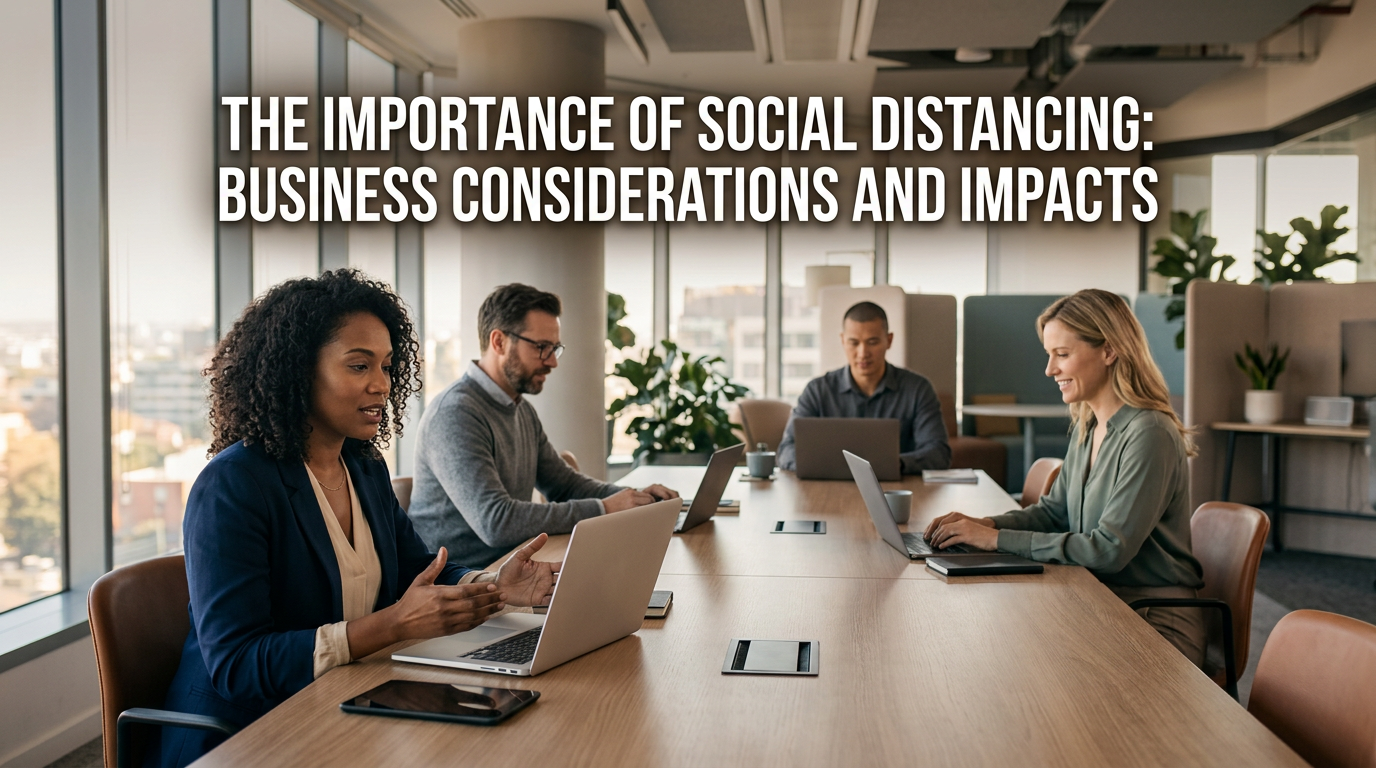
Implementing Social Distancing in Business Settings
There are several strategies businesses can employ to effectively implement social distancing:
- Workspace Configuration: Redesign office layouts to ensure desks and workstations are spaced adequately apart. This might involve removing excess furniture or utilizing flexible workspaces.
- Remote Work Policies: Encouraging or mandating remote work can significantly reduce the number of employees present at a given time, easing the challenge of maintaining distance.
- Flexible Schedules: Introduce staggered shifts or flexible working hours to reduce congestion during peak times, such as the start and end of the workday.
- Virtual Meetings: Utilize digital tools and platforms to conduct meetings online, minimizing the need for physical gatherings.
- Clear Signage and Communication: Use signage to remind employees and visitors of distancing protocols, and communicate any changes to policies promptly.
Technology as an Enabler
Technology plays a crucial role in facilitating social distancing in workplaces. Tools such as occupancy sensors can help track the number of people in a given area, ensuring compliance with safety protocols. Additionally, mobile apps can provide real-time updates on capacity limits and alert employees to avoid crowded spaces. Embracing technology not only aids in safety but also enhances operational efficiency.
Challenges and Solutions
While the benefits of social distancing are clear, businesses may face challenges in implementing these measures effectively. One of the main hurdles is ensuring compliance among employees and clients, especially in environments where interaction is inherent, such as retail or hospitality.
To address this, companies can invest in training programs that emphasize the importance of social distancing. Additionally, technology can play a pivotal role. For instance, apps that monitor occupancy levels or provide alerts when spaces become overcrowded can assist in maintaining safe environments.
Another challenge is the financial impact, particularly for small businesses operating on tight margins. The costs associated with restructuring spaces or investing in digital infrastructure can be prohibitive. Here, governmental support or public-private partnerships can be instrumental in providing the necessary resources to support these adaptations.
Case Study: Retail Sector
In the retail sector, companies such as supermarkets have adopted innovative measures to facilitate social distancing. From implementing one-way aisles to installing plexiglass shields at checkout counters, these adaptations have helped maintain customer and employee safety. The success of these measures underscores the importance of creativity and flexibility in overcoming logistical challenges.
The Long-term Implications of Social Distancing
As businesses adapt to a post-pandemic world, the principles of social distancing are likely to endure as a standard component of health and safety protocols. The pandemic has accelerated digital transformation, and many companies have found efficiencies in remote work and virtual collaboration that they will continue to leverage.
In this context, businesses that proactively integrate social distancing measures into their operations position themselves not only as responsible corporate citizens but also as adaptable, resilient entities. These organizations are better equipped to navigate future disruptions, whether they stem from health crises or other global challenges.
Future of Workplace Design
Social distancing will influence the future design of workplaces. Architects and designers are increasingly considering how to create spaces that naturally promote physical distancing. This includes the use of modular furniture, open-air environments, and touchless technologies that minimize contact points. Such innovations ensure that workplaces are safe and conducive to productivity.
Conclusion
The importance of social distancing in business settings cannot be overstated. It is a critical measure that protects employees, reassures customers, and ensures business continuity. By focusing on strategic implementation and addressing associated challenges, businesses can safeguard their operations and contribute to broader public health efforts.
As industries continue to evolve in response to new challenges, the lessons learned during the COVID-19 pandemic will inform future strategies, ensuring that businesses remain robust, resilient, and capable of thriving in an ever-changing world.
Call to Action for Businesses
Businesses must continue to prioritize social distancing as part of their operational strategy. By doing so, they not only protect their immediate communities but also contribute to the global effort to prevent future pandemics. Investing in innovative solutions and remaining adaptable will be key to long-term success and sustainability.
Employee Engagement and Morale
Ensuring the wellbeing of employees through social distancing measures can have a profound impact on morale and engagement. When employees feel that their health is a priority, they are more likely to be motivated and committed to their work. Companies can boost morale by regularly communicating the importance of these measures and celebrating adherence to protocols.
Additionally, businesses can offer mental health resources and support services to help employees navigate the social and emotional challenges of physical distancing. By fostering a supportive environment, businesses can maintain a positive workplace culture even amidst necessary distancing measures.
Community Responsibility and Corporate Social Responsibility (CSR)
Social distancing also plays a role in fulfilling a company's corporate social responsibility (CSR) commitments. By prioritizing public health, businesses demonstrate a commitment to the broader community, enhancing their CSR profile. This can be particularly important for companies looking to build trust and rapport with local communities and stakeholders.
Engaging in community-led initiatives, such as supporting local health campaigns or providing resources to nearby schools and community centers, can further cement a company's role as a responsible actor in society. These actions not only support social distancing efforts but also foster goodwill and strengthen community ties.
Leveraging Social Distancing for Competitive Advantage
Businesses that effectively implement and communicate social distancing measures can gain a competitive advantage in the marketplace. As consumers increasingly prioritize safety, companies that are transparent about their health protocols can attract and retain customers who value these efforts.
Furthermore, companies can use social distancing as a marketing tool, highlighting their dedication to customer and employee safety in advertising and promotional materials. This approach can differentiate a business in a crowded market and drive consumer preference.
Resilience Planning for Future Crises
The COVID-19 pandemic has underscored the need for comprehensive resilience planning. Social distancing measures are a critical component of such plans, providing a framework for maintaining operations during health crises. By integrating these measures into broader resilience strategies, businesses can better prepare for future disruptions.
Organizations should regularly review and update their emergency preparedness plans, incorporating lessons learned from recent experiences. This proactive approach ensures that businesses remain agile and ready to respond effectively to new challenges, whether they arise from pandemics, natural disasters, or other unforeseen events.
Conclusion: A Strategic Imperative
Social distancing is not just a health measure; it is a strategic imperative for businesses aiming to thrive in today's complex environment. By prioritizing the safety of their employees and customers, companies can ensure operational continuity, bolster their reputations, and foster long-term success.
As the world continues to navigate the aftermath of the pandemic, businesses must remain vigilant and adaptable, leveraging social distancing as a tool for resilience and growth. In doing so, they contribute to a safer, more sustainable future for all.