
Introduction
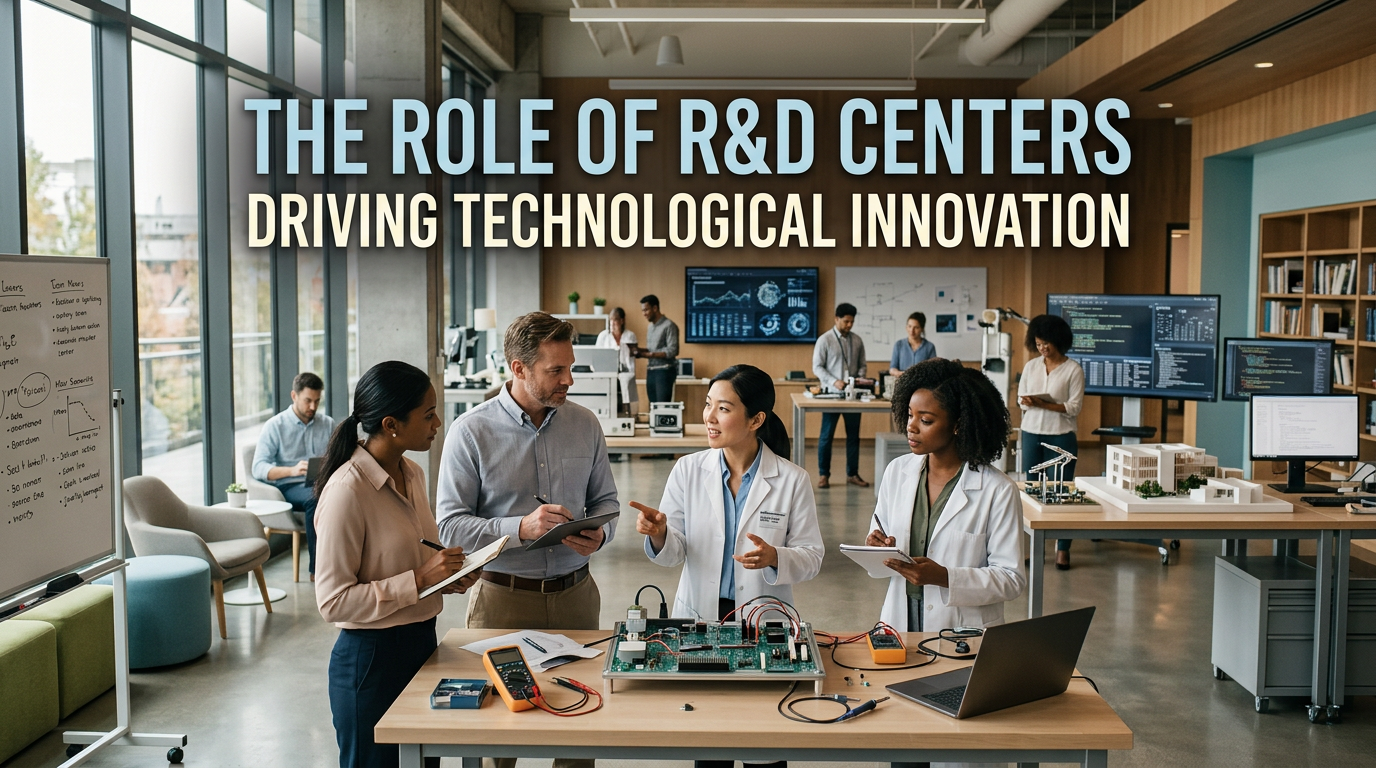
In today's fiercely competitive business environment, innovation is the key to maintaining a competitive edge. Research and Development (R&D) centers play a crucial role in driving technological advancements and fostering a culture of innovation. These centers are not merely cost centers; they are critical investment hubs that can propel an organization forward by developing new products, improving existing processes, and discovering novel ways to address market needs.
The Strategic Importance of R&D Centers
R&D centers serve as the backbone of any technology-driven organization. They are essential for creating value and sustaining long-term growth. By focusing on systematic research, experimentation, and the development of new technologies, R&D centers help companies stay ahead of the curve. Investing in R&D can lead to groundbreaking innovations that redefine industries and open up new markets.
Enhancing Product Development
One of the primary roles of R&D centers is to enhance product development. This involves developing new products from scratch or improving existing products to meet changing consumer demands. Through rigorous research and testing, R&D teams can identify the latest market trends and incorporate them into the product development cycle. This not only ensures that the company remains relevant but also positions it as a leader in innovation.
For instance, in the tech industry, R&D centers are pivotal in the evolution of gadgets and software. They analyze user feedback to refine product features and incorporate cutting-edge technology such as AI, IoT, and blockchain into new offerings, giving companies a competitive advantage.
Boosting Process Efficiency
In addition to product innovation, R&D centers focus on improving internal processes. By leveraging the latest technologies, such as automation and data analytics, R&D teams can optimize production processes, reduce costs, and enhance efficiency. This contributes to the overall profitability of the organization and provides a strategic advantage over competitors.
Examples include the integration of predictive maintenance in manufacturing, where R&D centers use data analytics to preemptively address equipment failures, resulting in reduced downtime and cost savings.
R&D Center Operations and Best Practices
Operating a successful R&D center requires a strategic approach and adherence to best practices. Below are some key elements that ensure the smooth functioning of R&D centers:
Collaboration and Open Innovation
Collaboration is at the heart of successful R&D operations. By fostering partnerships with academic institutions, industry peers, and even competitors, R&D centers can leverage a wide range of expertise and resources. Open innovation encourages knowledge sharing and accelerates the pace of technological breakthroughs.
- Collaborative projects with universities can lead to innovative solutions and access to cutting-edge research.
- Joint ventures with other companies can spread R&D costs and risks while sharing in potential rewards.
- Engaging with startup incubators can bring fresh perspectives and agility to R&D initiatives.
Agile Methodologies
Adopting agile methodologies can significantly enhance the efficiency of R&D processes. Agile practices promote flexibility, iterative development, and rapid prototyping, enabling R&D teams to respond quickly to market changes and technological advancements.
Agile methodologies ensure that R&D projects remain aligned with business objectives and market needs, allowing for quick pivots when necessary and facilitating faster time-to-market for new products.
Resource Allocation and Budgeting
Efficient resource allocation and budgeting are crucial for maximizing the output of R&D centers. This involves prioritizing projects based on potential impact and return on investment, as well as ensuring that teams have the necessary tools and technologies to succeed.
It's essential for companies to balance between long-term strategic projects and quick wins to ensure continual innovation and steady revenue generation.
Use Cases: R&D Centers Driving Innovation
R&D centers across various industries have been instrumental in driving innovation and achieving remarkable outcomes. Here are a few examples:
The Automotive Industry
In the automotive industry, R&D centers have pioneered advancements in electric vehicle technology and autonomous driving systems. Through extensive research and development, companies have been able to launch vehicles that are not only environmentally friendly but also equipped with cutting-edge technology, redefining consumer expectations.
Additionally, R&D efforts focus on enhancing safety features, improving battery life, and reducing the environmental impact of cars, aligning with global sustainability goals.
The Pharmaceutical Sector
R&D centers are the lifeblood of the pharmaceutical industry. They are responsible for discovering new drugs and treatments that improve patient outcomes and address unmet medical needs. By investing heavily in R&D, pharmaceutical companies can accelerate the drug development process and bring life-saving medications to market more rapidly.
For example, the rapid development of vaccines during global health crises showcases the critical role R&D centers play in public health and safety.
The Consumer Electronics Market
In the consumer electronics market, R&D centers play a vital role in developing innovative products such as smartphones, smartwatches, and virtual reality devices. By continuously researching consumer preferences and technology trends, these centers ensure that companies can deliver cutting-edge products that captivate consumers worldwide.
The iteration of devices with enhanced user interfaces, more robust connectivity, and integrated AI capabilities is often spearheaded by dedicated R&D efforts.
Measuring the Success of R&D Centers
To gauge the effectiveness of R&D centers, organizations must establish clear metrics and performance indicators. Some key criteria include:
Innovation Output
The number of patents filed, new products launched, and process improvements implemented are direct indicators of an R&D center's output. These metrics reflect the center's ability to generate novel ideas and translate them into tangible outcomes.
Return on Investment (ROI)
Calculating the ROI of R&D investments helps organizations assess the financial impact of their innovation efforts. By analyzing revenue generated from new products and cost savings from process improvements, companies can determine the overall value added by their R&D centers.
Market Impact
The market impact of R&D activities can be evaluated by examining the company's market share, customer satisfaction, and brand reputation. Successful R&D initiatives often translate into increased market presence and enhanced competitive positioning.
Conclusion
R&D centers are indispensable assets for organizations striving to drive technological innovation and maintain their competitive edge. By fostering a culture of innovation, leveraging collaboration, and adhering to best practices, these centers can achieve remarkable outcomes that propel businesses forward. As the business landscape continues to evolve, investing in R&D will remain a strategic imperative for companies aiming to thrive in a rapidly changing world. The dynamic capabilities of R&D not only fuel business growth but also transform industries and enrich consumer experiences globally.
The Role of R&D Centers in Sustainability Initiatives
As global awareness and concern for environmental issues grow, R&D centers are increasingly focusing on sustainable innovation. By aligning their projects with sustainability goals, companies can not only meet regulatory requirements but also cater to the rising consumer demand for eco-friendly products.
Developing Sustainable Products
R&D centers play a pivotal role in creating products that minimize environmental impact. This involves researching alternative materials, such as biodegradable plastics or recycled components, and designing products that consume less energy during production and use.
For example, in the fashion industry, R&D efforts have led to the development of sustainable textiles and eco-friendly dyeing processes, which reduce water consumption and chemical waste.
Innovating Green Technologies
Besides product development, R&D centers are at the forefront of innovating green technologies that enhance sustainability across industries. This includes advancements in renewable energy sources, energy-efficient manufacturing processes, and waste reduction technologies.
For example, R&D in the energy sector has accelerated the development of solar panel efficiency and wind turbine technology, making renewable energy more viable and accessible worldwide.
Challenges and Opportunities in R&D Management
While R&D centers offer significant benefits, managing them effectively presents certain challenges. Balancing innovation with cost efficiency, maintaining a skilled workforce, and navigating regulatory landscapes are all critical considerations.
Overcoming Budget Constraints
One of the primary challenges faced by R&D centers is managing budget constraints without stifling innovation. Organizations must strategically allocate resources to ensure that high-impact projects receive adequate funding while exploring cost-effective solutions for smaller initiatives.
- Implementing lean R&D practices can help streamline processes and reduce waste.
- Leveraging government grants and partnerships can provide additional funding sources.
Attracting and Retaining Talent
Another significant challenge is attracting and retaining skilled researchers and engineers. Competitive compensation packages, professional development opportunities, and a vibrant workplace culture are essential for sustaining a talented workforce within R&D centers.
Moreover, fostering an environment that encourages creativity and innovation can boost employee satisfaction and retention rates.
Future Trends in R&D Center Operations
Looking ahead, R&D centers are poised to undergo transformative changes driven by technological advancements and evolving market needs. Embracing these trends will be crucial for maintaining a competitive edge.
Digital Transformation and R&D
Digital transformation is reshaping the way R&D centers operate. By incorporating digital tools such as artificial intelligence, machine learning, and digital twins, R&D teams can enhance research accuracy, reduce time-to-market, and improve decision-making processes.
The integration of big data analytics also allows for more precise market predictions and consumer insights, guiding the direction of innovation efforts.
Global Collaboration Networks
As globalization continues to expand, forming international collaboration networks will become increasingly important. By tapping into global talent pools and diverse perspectives, R&D centers can drive innovation on a larger scale and access new markets more effectively.
These networks facilitate the exchange of ideas, resources, and technologies, fostering a more interconnected and innovative R&D ecosystem.