
Introduction to the Internet of Things
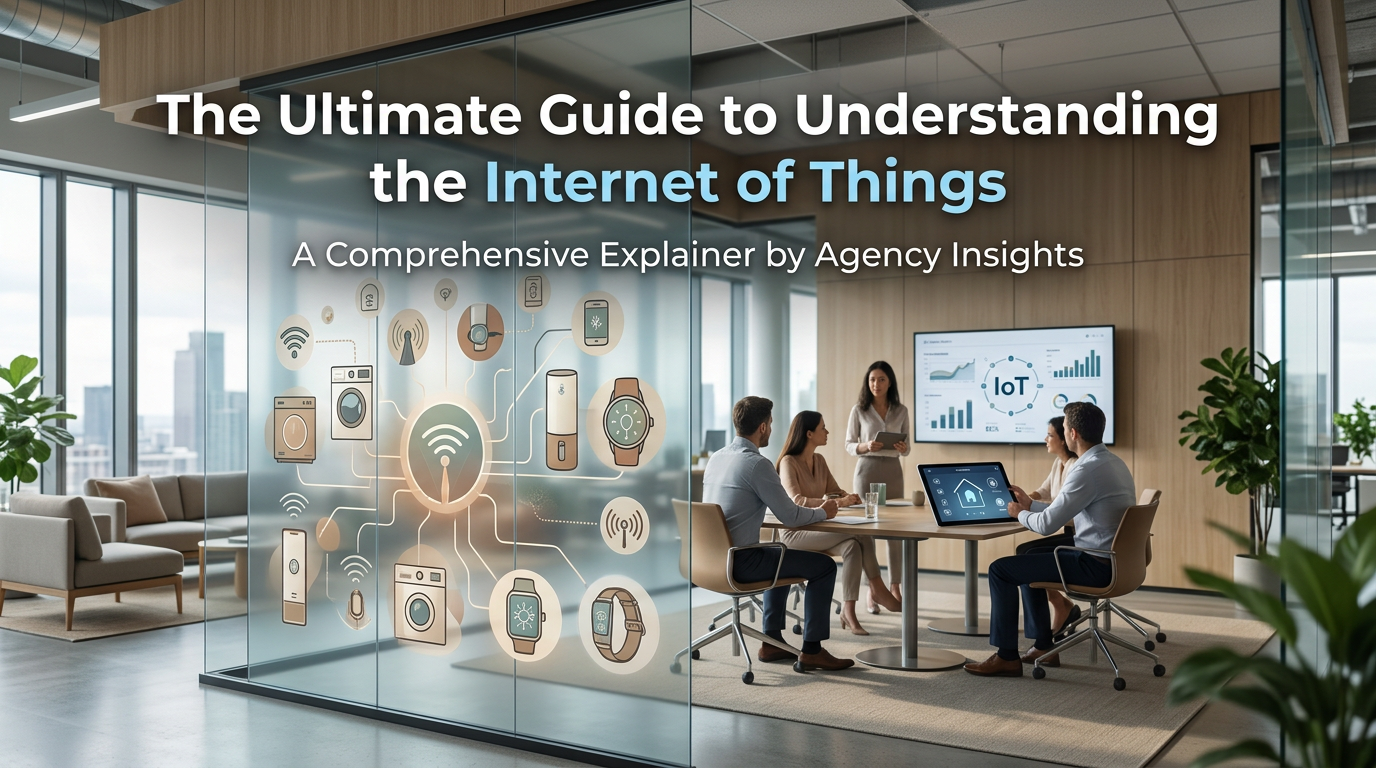
The Internet of Things (IoT) is a transformative network of connected devices that enables seamless data exchange between physical objects and the digital world. By embedding sensors, software, and connectivity features, IoT has the potential to revolutionize various industries, from manufacturing to healthcare. Its ability to enhance operational efficiency, offer personalized experiences, and generate valuable insights makes IoT a crucial technological advancement for businesses.
Defining the Internet of Things
The Internet of Things refers to a network of physical devices, vehicles, appliances, and other items embedded with sensors, software, and network connectivity. These components enable objects to collect and exchange data, thereby creating an integrated system that can interact with the environment in real-time. The ultimate goal of IoT is to achieve a higher level of automation and control, optimizing processes and improving quality of life.
The Historical Context of IoT
The concept of connecting devices has been around for decades, but the term "Internet of Things" was coined by Kevin Ashton in 1999. Initially, IoT was limited to large-scale industrial applications, but with advancements in technology, it has become accessible for small businesses and consumers. The proliferation of wireless technology, affordable sensors, and advances in data processing have all contributed to the rapid expansion of IoT solutions.
Key Components of IoT
1. Sensors and Devices
Sensors are the foundation of IoT, as they are responsible for collecting data from the environment. These sensors measure various parameters such as temperature, humidity, motion, and more, enabling devices to interact with their surroundings. IoT devices use this data to perform specific functions or communicate with other devices.
2. Connectivity
Connectivity is essential for IoT, as it enables data exchange between devices and centralized systems. This connectivity can be achieved through various technologies, including Wi-Fi, Bluetooth, cellular networks, and more. The choice of connectivity depends on the specific requirements of the IoT system, such as range, power consumption, and data transfer speed.
3. Data Processing
Once data is collected by IoT devices, it needs to be processed to derive meaningful insights. This processing can occur at the edge, on local devices, or in the cloud, depending on the system architecture. Efficient data processing is crucial for quick decision-making and real-time operations in IoT applications.
4. User Interface
A user interface allows users to interact with IoT devices and access information. This interface can take various forms, such as a mobile app, a web dashboard, or voice commands. An intuitive user interface is essential for enhancing user experience and maximizing the value of IoT solutions.
Benefits of IoT for Businesses
Businesses across various sectors are harnessing the power of IoT to drive growth and innovation. Here are some key benefits:
- Operational Efficiency: IoT optimizes resource utilization, reducing waste and costs.
- Data-Driven Decision Making: Real-time data collection enables informed decision-making.
- Enhanced Customer Experience: IoT allows businesses to offer personalized services and improve customer engagement.
- New Revenue Streams: IoT opens up opportunities for new business models and services.
Use Cases of IoT in Business
1. Smart Manufacturing
IoT has a significant impact on the manufacturing sector by enabling smart factories. IoT devices can monitor equipment performance, detect anomalies, and predict maintenance needs, reducing downtime and enhancing productivity. Furthermore, IoT facilitates inventory management and quality control, ensuring optimal resource utilization.
2. Healthcare
In healthcare, IoT devices such as wearable sensors and remote monitoring systems have transformed patient care. These devices collect real-time health data, enabling healthcare providers to offer personalized treatment plans and improve patient outcomes. Additionally, IoT can enhance hospital management by optimizing resource allocation and ensuring equipment availability.
3. Retail
IoT creates new opportunities for retailers to enhance customer experiences and streamline operations. Smart shelves and RFID tags provide real-time inventory data, reducing stockouts and improving supply chain efficiency. IoT-based personalized marketing can deliver targeted promotions to customers, increasing engagement and sales.
Implementing IoT Solutions
1. Identifying Business Needs
The first step in implementing IoT solutions is to identify specific business needs and objectives. Understanding the pain points and opportunities for improvement helps define the scope and goals of the IoT project.
2. Selecting the Right Technology
Choosing the appropriate sensors, connectivity, and data processing technologies is critical for the success of an IoT project. Considerations include cost, scalability, security, and compatibility with existing systems.
3. Data Management and Security
Effective data management is essential for leveraging the full potential of IoT. This involves data storage, processing, and analysis capabilities. Additionally, ensuring data security and privacy is crucial to protect sensitive information and maintain user trust.
4. Integration with Existing Systems
Integrating IoT solutions with existing business systems such as ERP, CRM, and other platforms ensures seamless data flow and cohesive operations. This integration can be complex and may require custom development or third-party solutions.
Challenges in IoT Implementation
Despite its potential, IoT implementation comes with several challenges that businesses need to address:
- Security Concerns: Ensuring the security of IoT systems is paramount to prevent unauthorized access and data breaches.
- Interoperability: Different IoT devices and platforms must work together seamlessly for successful implementation.
- Data Overload: Managing and processing large volumes of data can be overwhelming without the right infrastructure.
- Cost: Initial setup and ongoing maintenance costs can be significant, especially for small businesses.
Measuring the Success of IoT Implementations
To evaluate the success of IoT projects, businesses should define key performance indicators (KPIs) aligned with their objectives. These KPIs may include increased operational efficiency, cost savings, improved customer satisfaction, and revenue growth. Regular monitoring and analysis of these metrics provide insights into the effectiveness and ROI of IoT solutions.
Future Trends in IoT
As IoT continues to evolve, several emerging trends are shaping its future:
- Edge Computing: Moving data processing closer to the source can enhance speed and reduce latency.
- AI Integration: Combining IoT with artificial intelligence enables smarter, autonomous systems.
- 5G Connectivity: The rollout of 5G networks will provide faster, more reliable connections for IoT devices.
- Sustainability: IoT solutions are increasingly focused on reducing environmental impact and promoting sustainability.
Conclusion
The Internet of Things is reshaping the way businesses operate, offering unprecedented opportunities for innovation and growth. By understanding the components, use cases, and implementation strategies of IoT, organizations can harness its potential to drive efficiency, improve customer experiences, and create new business models. As IoT continues to evolve, staying informed about the latest trends and advancements will be crucial for maintaining a competitive edge in the digital economy. Embracing IoT is no longer a choice but a strategic necessity for businesses aiming to thrive in the modern world.
IoT and Sustainability
The growing importance of sustainability in business operations has made IoT an invaluable tool for companies looking to reduce their environmental impact. IoT solutions enable real-time monitoring and control of energy consumption, water usage, and waste management. This not only helps businesses adhere to environmental regulations but also significantly reduces operational costs.
- Energy Efficiency: IoT sensors can track energy usage patterns and optimize consumption, leading to reduced energy bills and a smaller carbon footprint.
- Smart Agriculture: IoT devices can monitor soil conditions, weather patterns, and crop health, enabling farmers to use resources more efficiently and boost yields while minimizing environmental impact.
- Waste Management: IoT solutions can optimize waste collection processes, ensuring timely disposal and reducing unnecessary trips, which cuts down on fuel consumption and emissions.
IoT and Smart Cities
Smart cities represent a compelling application of IoT, where interconnected devices and systems improve urban living. By deploying IoT technologies in public infrastructure, cities can enhance the quality of life, streamline services, and promote sustainable urban development.
- Traffic Management: IoT-enabled traffic monitoring systems can reduce congestion by adjusting traffic signals in real-time and providing alternative routes to commuters.
- Public Safety: IoT devices, such as surveillance cameras and emergency response systems, improve city safety and allow for quicker response times in emergencies.
- Smart Lighting: IoT can control street lighting systems, reducing energy consumption by adjusting brightness based on pedestrian and vehicle presence.
Preparing for IoT Implementation
Successful IoT implementation requires adequate preparation and strategic planning. Businesses should start by conducting a thorough needs assessment to identify specific problems that IoT can address. Investing in staff training and developing a clear roadmap for deployment are essential steps in overcoming potential challenges.
- Training and Skill Development: Equip your team with the necessary skills to manage and leverage IoT technologies effectively.
- Vendor Selection: Choose reliable IoT vendors who offer scalable and secure solutions that align with your business goals.
- Infrastructure Readiness: Ensure that your network infrastructure is capable of supporting IoT devices and their data requirements.
By preparing adequately and focusing on strategic deployment, businesses can maximize the benefits of IoT while minimizing risks, paving the way for a successful digital transformation.