
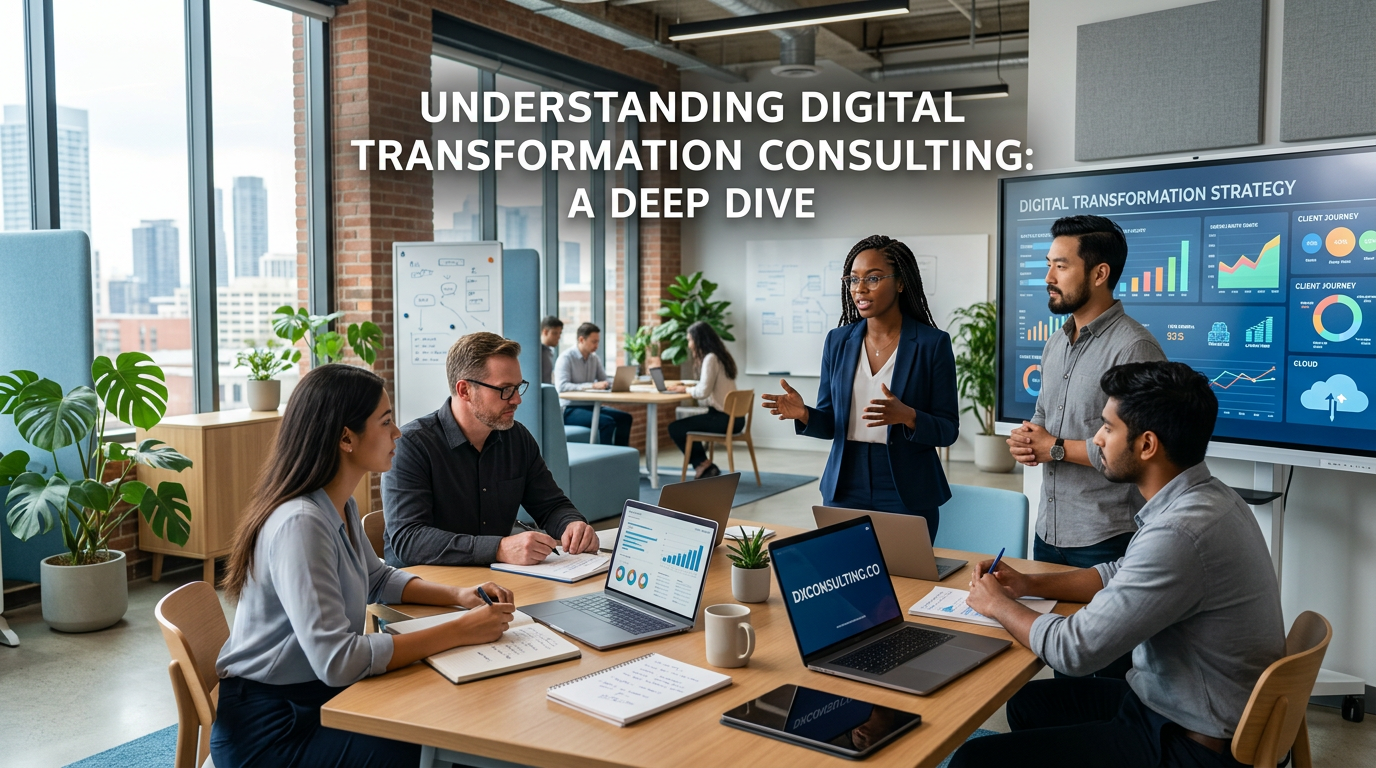
Introduction to Digital Transformation Consulting
In today's rapidly evolving digital landscape, businesses must adapt to survive and thrive. This adaptation is where digital transformation consulting comes into play. It is a strategic service that helps organizations align their business processes with the latest digital technologies to improve efficiency, enhance customer experience, and unlock new business opportunities. As a full-service digital agency, 4A Labs is at the forefront of providing comprehensive digital transformation solutions tailored to the unique needs of each client.
What Is Digital Transformation?
Digital transformation refers to the integration of digital technology into all areas of a business, fundamentally changing how you operate and deliver value to customers. It's a cultural, organizational, and operational change that involves a deep understanding of new technologies and their application in the business environment. More than just a buzzword, digital transformation is essential for businesses looking to remain competitive in today’s tech-driven world.
The Role of Digital Transformation Consulting
Digital transformation consulting provides expert guidance and strategies for businesses aiming to navigate their transformation journey successfully. Consultants assess the current state of a business, identify areas for improvement, and devise a roadmap to achieve digital excellence. At 4A Labs, our consultants leverage their extensive knowledge in AI, digital marketing, and software development to provide innovative solutions that align with our clients' strategic visions.
Key Components of Digital Transformation
Key components of digital transformation include:
- Customer Experience: Enhancing customer interactions through personalized and seamless experiences is crucial. Digital tools such as AI-driven analytics and customer relationship management (CRM) systems are essential.
- Operational Processes: Streamlining operations with automation and analytics to improve efficiency and reduce costs.
- Business Models: Innovating business models to create new revenue streams and improve profitability.
- Organizational Culture: Promoting a culture of continuous learning and digital literacy among employees.
Importance of Customer-Centric Approaches
To truly achieve digital transformation, businesses must focus on the customer. Today's customers expect personalized experiences and instant service. Companies that prioritize customer experience are more likely to retain clients and attract new ones. Digital transformation consulting helps businesses implement CRM systems and AI technologies to better understand customer behaviors and preferences.
Operational Processes and Automation
Automation is a key element in improving operational efficiency. By automating routine tasks, businesses can reduce human error, save time, and allow employees to focus on more strategic activities. Digital transformation consultants help identify areas where automation can have the most impact, from supply chain management to customer service operations.
Reinventing Business Models
In today's digital age, traditional business models may no longer suffice. Companies must innovate to remain relevant. This could mean adopting subscription-based models, exploring digital platforms for sales, or even creating entirely new product lines. Consultants assist in identifying and testing new business models that align with the company's goals and market demands.
Cultivating a Digital-Ready Culture
A successful digital transformation relies heavily on the organization's culture. Employees must be willing to embrace change and continuously learn new skills. Consultants work with businesses to foster an environment that encourages experimentation, innovation, and digital literacy.
4A Labs' Approach to Digital Transformation
At 4A Labs, our approach is solution-focused and client-centric. We start by understanding the individual needs and challenges faced by our clients. Our process involves:
- Assessment: Conducting a thorough analysis of current workflows, technology infrastructure, and business processes.
- Strategy Development: Crafting a customized digital transformation strategy that aligns with the client's business objectives.
- Implementation: Deploying the necessary technologies and processes, ensuring minimal disruption to existing operations.
- Monitoring and Optimization: Continuously tracking progress and optimizing strategies to ensure sustained growth and improvement.
Case Studies: Success Stories
4A Labs has worked with numerous clients across various industries to successfully implement digital transformation strategies. For instance, a retail client was able to increase their online sales by 30% through an integrated e-commerce platform and targeted digital marketing strategies. Another client in the healthcare sector streamlined their patient management system, resulting in faster service delivery and improved patient satisfaction.
Benefits of Digital Transformation Consulting
Engaging with a proficient digital transformation consultant like those at 4A Labs offers several benefits:
- Expert Guidance: Access to experienced professionals who provide invaluable insights and recommendations.
- Cost Efficiency: Improved operational efficiencies lead to cost savings.
- Competitive Advantage: Staying ahead in the market by leveraging the latest digital trends and technologies.
- Enhanced Productivity: Streamlined processes and automations increase productivity and allow employees to focus on more strategic tasks.
Addressing Challenges in Digital Transformation
While digital transformation offers numerous benefits, it also comes with challenges. Companies often face resistance to change, budget constraints, and the complexity of integrating new technologies. Consultants help businesses navigate these challenges by providing change management support, financial planning, and technology integration expertise.
Future Trends in Digital Transformation
The future of digital transformation is promising, with emerging technologies like artificial intelligence, blockchain, and Internet of Things (IoT) set to drive further change. Businesses that stay ahead of these trends will be well-positioned to capitalize on new opportunities. Digital transformation consultants stay updated on these trends to provide clients with cutting-edge solutions.
Conclusion
Digital transformation is no longer an option but a necessity for businesses aiming to stay competitive. It requires a strategic approach that combines technological advancements with human-centric solutions. At 4A Labs, we are committed to guiding our clients through this transformation journey, helping them harness the power of digital technologies to achieve their goals. By choosing 4A Labs, businesses can ensure a smooth transition into the digital age with minimal risk and maximum value. As industries continue to evolve, embracing digital transformation will be key to unlocking new opportunities and achieving sustainable growth.
Embracing a Holistic Approach to Transformation
Digital transformation is not just about technology; it's about rethinking the business as a whole. A holistic approach ensures that all facets of the organization are aligned with the digital strategy. This involves revisiting organizational structures, redefining roles, and fostering cross-departmental collaboration to break down silos. By doing so, businesses can create a cohesive environment where innovation thrives, and digital initiatives are successful.
Employee Empowerment and Engagement
One of the crucial aspects of a successful transformation is empowering employees. This involves providing them with the necessary tools, training, and support to utilize new technologies effectively. Employee engagement programs can facilitate a smoother transition by involving staff in the transformation process, thereby reducing resistance to change. Furthermore, cultivating a sense of ownership among employees encourages them to contribute positively to the digital journey.
Leveraging Data for Informed Decision Making
Data is a goldmine for businesses looking to transform digitally. By harnessing data analytics, companies can gain valuable insights into customer behavior, market trends, and operational efficiencies. Digital transformation consulting helps businesses develop data strategies that ensure the collection, analysis, and application of data are in alignment with business objectives. This data-driven approach allows for more informed decision-making and can significantly impact the success of transformation efforts.
Strategic Partnerships and Ecosystems
Forming strategic partnerships is another way to accelerate digital transformation. By collaborating with technology providers, industry experts, and other businesses, organizations can access a broader range of resources and knowledge. These partnerships often lead to the creation of ecosystems where collective innovation and growth are possible. Digital transformation consultants can identify potential partners and facilitate the creation of these ecosystems to enhance the value proposition of the business.
Overcoming Legacy System Challenges
Many organizations face challenges with outdated legacy systems that are not compatible with new digital technologies. These systems can be a significant hindrance to transformation efforts. Consultants work with businesses to develop strategies for either upgrading or integrating these systems with modern solutions. This might include cloud migration, implementing middleware, or phasing out old systems in favor of more agile and scalable platforms.
Measuring Success in Digital Transformation
To ensure the success of digital transformation initiatives, it is essential to establish clear metrics and KPIs. These measures should align with business goals and provide a framework for evaluating the effectiveness of transformation strategies. Regular assessment of these metrics allows businesses to make necessary adjustments and ensures that the transformation is delivering the intended value. Consultants play a vital role in defining these success criteria and assisting in their evaluation.
Continuous Innovation and Agility
Digital transformation is not a one-time project but an ongoing process. To remain competitive, businesses must embrace continuous innovation and agility. This involves staying updated with the latest technology trends, experimenting with new ideas, and being willing to pivot strategies as needed. A culture of agility empowers organizations to respond quickly to market changes and seize new opportunities. Digital transformation consultants help businesses develop frameworks for continuous improvement, ensuring that they remain at the forefront of their industries.