
Introduction
The COVID-19 pandemic has transformed the way we perceive health and safety, bringing social distancing to the forefront as a crucial preventive measure. Social distancing, or maintaining a physical distance from others, has proven to be an effective strategy in reducing the transmission of infectious diseases, particularly in densely populated areas. However, the concept of social distancing extends beyond the immediate health benefits and impacts community well-being on multiple levels. This blog post explores why social distancing is important, its effects on community health and safety, and how businesses and individuals can adapt to these changes while ensuring continued interaction and connectivity.
Understanding Social Distancing
Social distancing involves maintaining a certain physical distance from others to minimize the spread of infectious diseases. This often includes measures such as working from home, closing non-essential businesses, limiting group gatherings, and implementing travel restrictions. By reducing close contact between individuals, social distancing slows down the transmission of viruses, thereby flattening the curve and preventing healthcare systems from becoming overwhelmed.
The Science Behind Social Distancing
Social distancing is not just a precautionary measure; it is grounded in science. Viruses like COVID-19 primarily spread through droplets when an infected person coughs, sneezes, or talks. These droplets can travel a short distance before settling, making proximity a key factor in transmission. By maintaining a recommended distance, often six feet or more, individuals reduce the likelihood of inhaling infectious droplets.
Historical Context
Social distancing is not a new concept. Throughout history, it has been employed to control the spread of infectious diseases. During the 1918 influenza pandemic, cities that implemented early social distancing measures saw significantly lower death rates than those that did not. This historical precedent underscores its effectiveness and serves as a reminder of its ongoing relevance.
Impact on Community Health
The benefits of social distancing on community health are manifold. Firstly, it significantly reduces the transmission rate of infectious diseases, protecting vulnerable populations such as the elderly and those with pre-existing health conditions. Secondly, by slowing the spread of the virus, social distancing allows healthcare providers to better manage resources, distribute medical supplies effectively, and provide timely care to those in need. Finally, it fosters a culture of health awareness and personal responsibility, encouraging individuals to adopt practices that prioritize collective well-being over personal convenience.
Case Studies
- New Zealand: The country's swift implementation of social distancing measures resulted in one of the lowest infection rates globally and a rapid return to normalcy.
- South Korea: Through rigorous testing and social distancing, South Korea managed to control the virus without imposing a nationwide lockdown, highlighting the efficacy of informed distancing protocols.
Impact on Community Safety
Beyond health, social distancing has substantial implications for community safety. Reduced transmission rates lead to fewer people falling ill, which in turn decreases the burden on essential services such as law enforcement and emergency responders. Additionally, by limiting large gatherings and promoting virtual interactions, communities can deter crime and reduce accidents that often occur in crowded spaces. Furthermore, businesses and public spaces that implement social distancing protocols contribute to an overall sense of security, reassuring customers and employees that their safety is a priority.
Enhancing Public Spaces
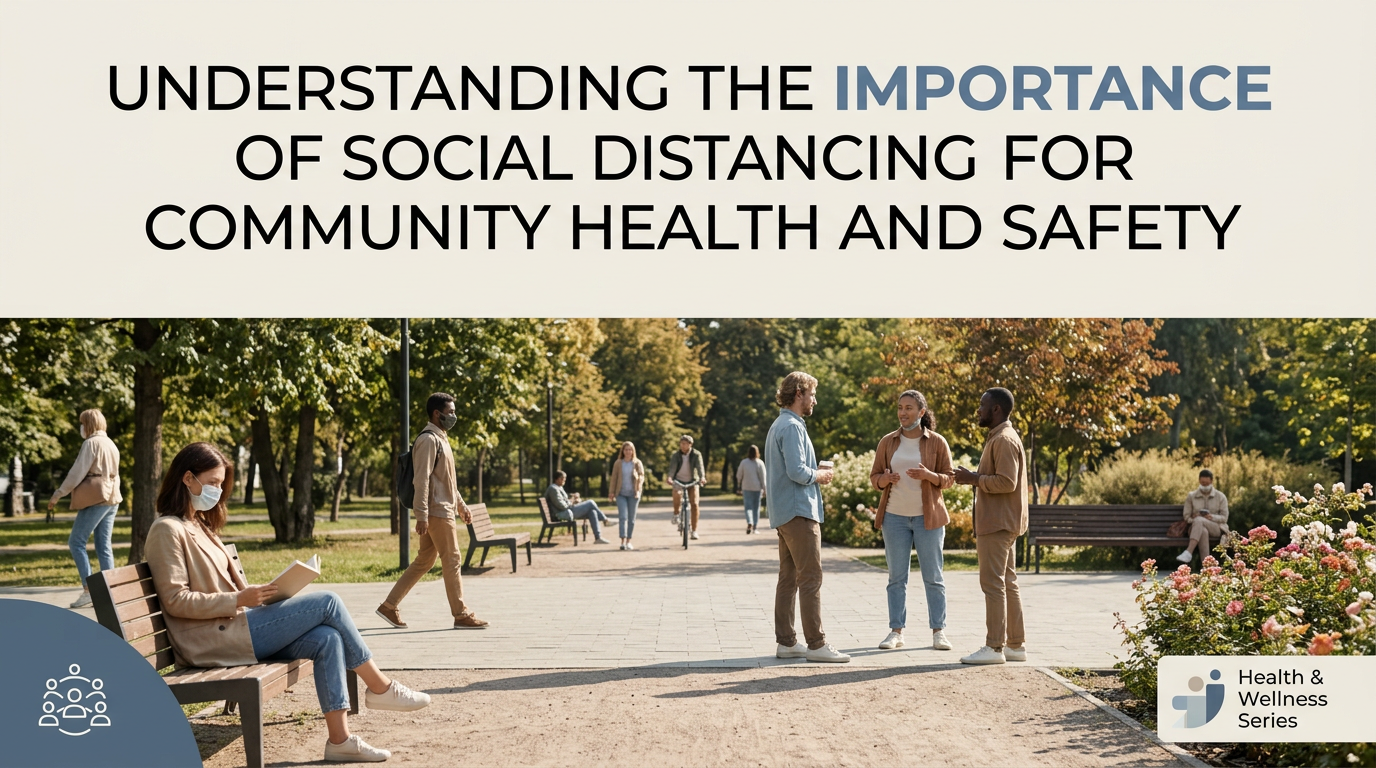
To accommodate social distancing, many cities have reimagined public spaces. Parks, streets, and plazas have been redesigned to allow for safer interactions, including wider sidewalks, designated walking routes, and outdoor dining areas. These changes not only support distancing but also enhance the quality of urban life.
Challenges and Adaptations
While social distancing is essential, it also poses challenges, particularly related to social isolation and mental health. The sudden shift to remote work, reduced face-to-face interactions, and the cancellation of social events can lead to feelings of loneliness and anxiety. To counter these effects, communities and businesses must explore innovative solutions that promote connectedness while adhering to distancing guidelines. Embracing digital tools for virtual communication, organizing online events, and providing mental health support can help bridge the gap created by physical distance.
Technology as a Connector
- Virtual Platforms: Apps like Zoom and Microsoft Teams have become essential for both personal and professional communication, enabling meetings, classes, and social gatherings to continue.
- Online Communities: Social media and forums provide platforms for individuals to connect, share experiences, and offer support, reducing the effects of isolation.
Business Adaptations and Opportunities
For businesses, social distancing presents both challenges and opportunities. While certain industries may face setbacks due to reduced foot traffic and consumer spending, others can thrive by adapting their operations to the new normal. Digital marketing, e-commerce, and delivery services have become more prominent, providing businesses with avenues to reach customers without physical contact. Companies are also investing in AI and software solutions to streamline operations, enhance customer experience, and maintain productivity in remote work environments. These adaptations not only support business continuity but also foster innovation and resilience.
Examples of Business Innovation
- Retail: Many retailers have shifted to online platforms, offering curbside pickup and contactless delivery to meet customer needs safely.
- Restaurants: Enhanced takeout and delivery services, alongside creative outdoor dining solutions, have helped the food industry sustain operations.
- Healthcare: Telemedicine has become a vital service, allowing patients to consult with healthcare professionals remotely, reducing the need for in-person visits.
Conclusion
Social distancing has emerged as a pivotal factor in safeguarding community health and safety, underscoring the need for collective responsibility and adaptability. While it presents challenges, particularly in terms of social connectivity, it also offers opportunities for innovation and growth. By understanding the importance of social distancing and implementing solutions that balance safety with interaction, communities and businesses can navigate this new landscape effectively. As we continue to face global health challenges, social distancing will remain a critical component of our collective efforts to protect public health and well-being.
Future Perspectives
As vaccines and treatments evolve, the role of social distancing may shift, but its principles will continue to influence public health strategies. Embracing social distancing as part of broader preventive measures can ensure preparedness for future health crises. Communities and businesses that integrate these practices into their frameworks will likely experience long-term benefits in resilience and public trust.
Impact on Education Systems
Social distancing has significantly influenced the educational landscape, prompting schools and universities to rethink traditional teaching methods. The shift to online learning has been both a challenge and an opportunity for educational institutions worldwide. While adjusting to this sudden change has been difficult for some students and educators, it has also accelerated the integration of technology in education, paving the way for more flexible and inclusive learning experiences.
Benefits of Online Learning
- Accessibility: Online platforms provide access to educational resources for students in remote or underserved areas, leveling the playing field and promoting educational equity.
- Personalized Learning: Digital tools enable personalized education plans, allowing students to learn at their own pace and according to their preferences.
- Global Connections: Virtual classrooms offer students the opportunity to connect with peers and instructors from around the world, fostering a global perspective.
Community Engagement and Support
In times of social distancing, community support networks have become even more vital. Despite physical separation, many communities have found ways to maintain cohesion and provide assistance to those in need. Initiatives such as neighborhood support groups, local food donations, and virtual volunteering have strengthened community bonds and demonstrated the power of collective action.
Examples of Community Initiatives
- Mutual Aid Networks: These grassroots efforts organize volunteers to deliver groceries, run errands, and provide support to vulnerable individuals.
- Online Fundraisers: Crowdfunding and virtual charity events have gained popularity as ways to support local businesses and nonprofits financially impacted by the pandemic.
- Virtual Gatherings: Community centers and organizations have adapted to host virtual events, workshops, and social gatherings, ensuring continued engagement and interaction.
Environmental Considerations
The reduction in human activity due to social distancing measures has led to noticeable environmental changes. With fewer cars on the roads and reduced industrial activity, many regions have experienced improved air quality and reduced carbon emissions. This unexpected environmental benefit highlights the need for sustainable practices in post-pandemic recovery efforts and encourages communities to consider long-term strategies for reducing their ecological footprint.
Encouraging Sustainable Practices
- Remote Work: Continuing to support remote work options where feasible can reduce commuter traffic and lower pollution levels.
- Local Economies: Supporting local businesses and promoting sustainable products can reduce the carbon footprint associated with transportation and encourage environmentally friendly consumption habits.
- Green Spaces: Investing in parks and green spaces can improve urban air quality and provide residents with healthy, accessible outdoor environments.